
Oil additives work by improving oil viscosity, reducing friction, and conditioning worn seals. Although they are not a permanent fix, they can significantly slow down oil loss and improve overall engine performance when used correctly.
Best Oil Additive for Oil Consumption
1. Liqui Moly Cera Tec Oil Additive
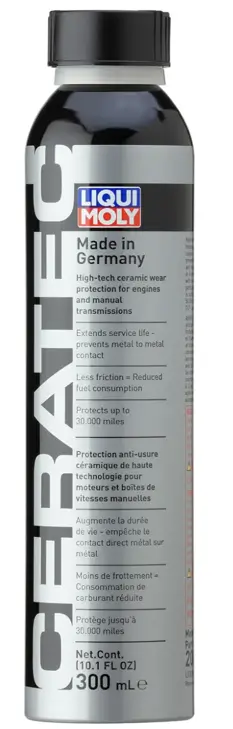
A premium oil additive that uses ceramic technology to reduce friction and wear.
Key Features:
- Reduces friction and engine wear
- Provides long-lasting protection
- Improves engine smoothness
- Works with all oil types
- Suitable for gasoline and diesel engines
Best For: Engines with mild oil consumption caused by internal wear
2. Lucas Oil Heavy Duty Oil Stabilizer
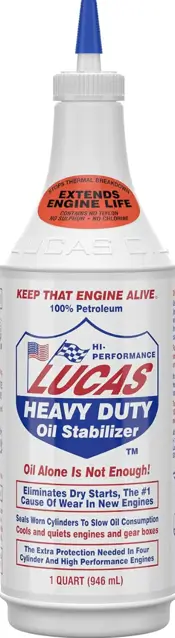
This is one of the most popular oil additives for reducing oil consumption, especially in older engines.
Key Features:
- Thickens engine oil to reduce burning
- Improves lubrication and reduces friction
- Helps eliminate dry starts
- Reduces engine noise and wear
- Compatible with both gasoline and diesel engines
Best For: Engines that burn oil due to wear and high mileage
3. STP High Mileage Oil Treatment + Stop Leak
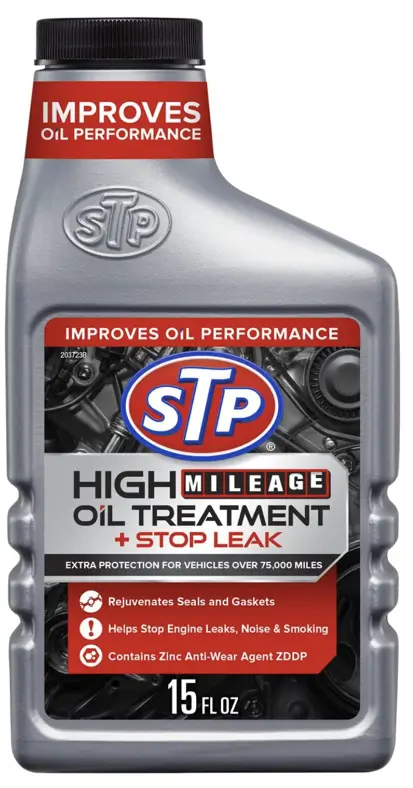
This additive focuses on restoring worn seals, which are a common cause of oil leaks and consumption.
Key Features:
- Contains seal conditioners to reduce leaks
- Helps rejuvenate aging gaskets
- Reduces oil consumption
- Improves engine protection
- Suitable for high-mileage vehicles
Best For: Engines losing oil due to leaks or worn seals
Related Engine Oil Consumption Chart(For All Engine Types)
4. BG MOA Engine Oil Additive
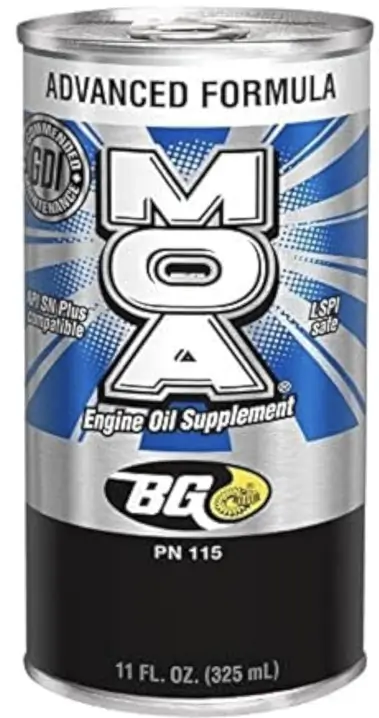
This is a professional-grade additive commonly used by mechanics during routine oil changes.
Key Features:
- Enhances oil film strength
- Reduces oil oxidation and breakdown
- Improves engine cleanliness
- Provides long-term engine protection
- Compatible with all engine oils
Best For: Overall engine protection and moderate oil consumption
Related Engine Oil Consumption Calculator
5. Liqui Moly Oil Smoke Stop
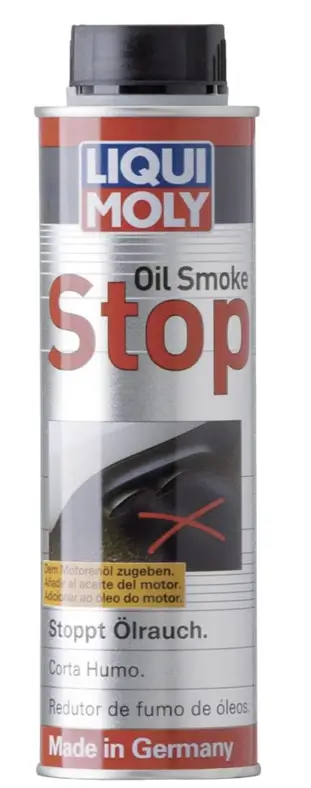
Designed specifically for engines that burn oil and produce visible smoke.
Key Features:
- Reduces blue exhaust smoke
- Improves oil viscosity at high temperatures
- Helps seal worn piston rings
- Reduces oil consumption
- Compatible with all engine oils
Best For: Engines with noticeable oil burning and smoke issues
Related MOA engine oil additive(Benefits & 5 Best Additive in 2026)
How to Choose the Right Oil Additive
Selecting the right additive depends on the cause of oil consumption:
- If your engine burns oil, choose a thickening additive like Lucas Oil Stabilizer or a smoke-reducing formula
- If oil leaks are the problem, go for a seal-conditioning additive like STP High Mileage Treatment
- If internal wear is the issue, a friction-reducing additive like Liqui Moly Cera Tec is ideal
- For general protection, a balanced additive like BG MOA works well
Understanding your engine’s condition will help you choose the most effective solution.
Related Whats the Best Diesel Fuel Additive(Top 5 Picks 2026)
Why Engines Consume Oil
Before choosing an additive, it helps to understand the root causes of oil consumption:
- Worn piston rings allow oil to enter the combustion chamber
- Aging valve seals that leak oil into the engine
- High engine temperatures are causing oil to burn off
- Internal engine wear due to high mileage
Oil additives are designed to target these issues by enhancing lubrication and restoring some of the lost sealing ability within the engine.
Do Oil Additives Really Work?
Oil additives can be effective, especially for engines with mild to moderate oil consumption. They work by:
- Improving oil viscosity and stability
- Reducing friction between moving parts
- Restoring flexibility in seals and gaskets
- Enhancing lubrication under high temperatures
However, they cannot fix serious mechanical problems such as broken piston rings or heavily damaged engine components. In such cases, a mechanical repair is the only long-term solution.
Related Zinc Additive Engine Oil(Benefits & Hidden Formula)
Tips for Using Oil Additives
To get the best results from oil additives:
- Add them during or right after an oil change
- Follow the recommended dosage instructions
- Use high-quality engine oil alongside the additive
- Monitor your oil levels regularly
- Avoid overusing additives, as this can affect oil performance
Proper use ensures maximum effectiveness and prevents unintended engine issues.
FAQs
How can I reduce my engine oil consumption?
You can reduce engine oil consumption by using a high-quality engine oil that matches your vehicle’s specifications and adding a suitable oil additive designed to improve viscosity or condition seals. Regular oil changes, replacing worn PCV valves, and fixing oil leaks also help. If the issue is minor, additives can slow consumption, but severe problems may require mechanical repairs.
Which engine oil additive is best?
The best oil additive depends on your engine’s condition. For overall performance and reducing oil consumption, a thickening additive like Lucas Oil Stabilizer works well. For seal-related leaks, a high-mileage treatment with seal conditioners is ideal. If you want premium protection and reduced wear, a ceramic-based additive is a strong choice.
What is the best product to reduce oil burning?
Products that thicken oil and improve sealing are the most effective at reducing oil burning. Oil stabilizers and smoke-reducing additives are specifically designed for this purpose. They help maintain proper oil viscosity at high temperatures and reduce the amount of oil entering the combustion chamber.
How to stop piston rings from burning oil?
To reduce oil burning caused by worn piston rings, you can use additives that improve oil film strength and reduce blow-by. Some additives also help clean deposits around the rings, allowing them to seal better. However, if the rings are severely worn or damaged, the only permanent fix is an engine rebuild or replacement.
What are the three causes of oil consumption?
The three most common causes of oil consumption are:
- Worn piston rings that allow oil into the combustion chamber
- Damaged or aging valve seals that leak oil
- Engine wear or high mileage leading to poor internal sealing
Other contributing factors can include high engine temperatures, poor maintenance, and using the wrong type of engine oil.
Final Verdict
Oil additives are a cost-effective way to manage oil consumption and extend the life of your engine. While they are not a substitute for repairs, they can significantly reduce oil loss and improve engine performance.
Here’s a quick summary:
- Lucas Oil Heavy Duty Oil Stabilizer is the best overall choice for reducing oil consumption
- STP High Mileage Oil Treatment is ideal for stopping leaks
- Liqui Moly Cera Tec is perfect for reducing wear and improving efficiency
- BG MOA offers balanced, professional-grade protection
- Liqui Moly Oil Smoke Stop is best for engines producing visible smoke
Choosing the right oil additive based on your engine’s condition can help you save money, reduce maintenance, and keep your vehicle running smoothly for longer.