
Marine engines operate in harsh environments where moisture, ethanol-blended fuels, and long storage periods can lead to corrosion, sludge buildup, and poor performance.
A marine fuel system treatment helps prevent these problems by stabilizing fuel, removing deposits, and protecting engine components.
Marine Fuel System Treatment
1. Star Tron Enzyme Fuel Treatment
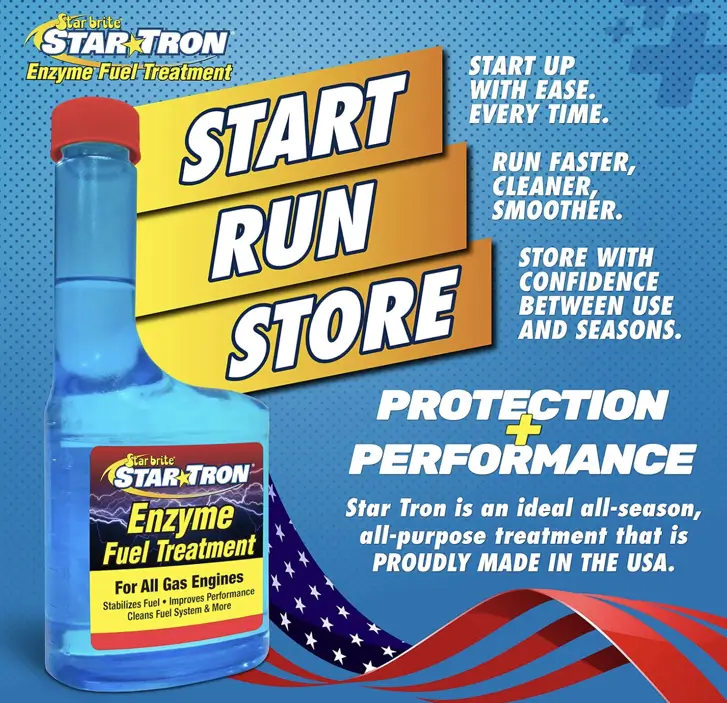
A popular enzyme-based formula that improves combustion and stabilizes fuel.
Key Features
- Enzyme technology improves fuel burn efficiency
- Prevents ethanol fuel phase separation
- Reduces carbon buildup
- Stabilizes fuel for up to 2 years
- Works in all marine engines
Best for: Long-term fuel storage and ethanol protection.
2. STA-BIL Marine 360 Performance & Protection
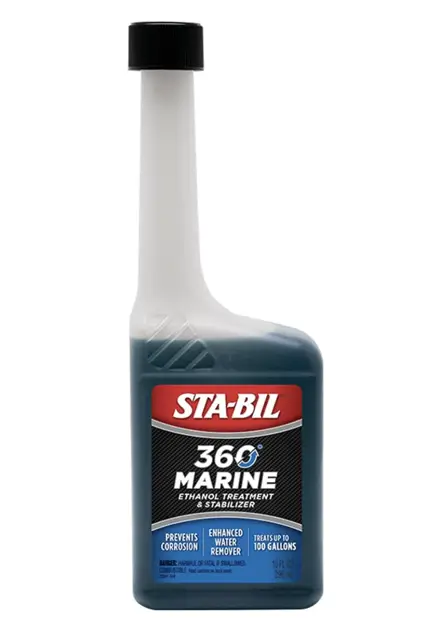
A trusted marine formula designed to clean and protect the entire fuel system.
Key Features
- Cleans injectors and fuel lines
- Prevents corrosion from saltwater exposure
- Stabilizes fuel for 12 months
- Improves engine performance
- Vapor technology protects the tank above the fuel line
Best for: Comprehensive fuel system protection.
Related Marine Four Stroke Engine Oil(Top 5 Best 2026)
3. Sea Foam Marine PRO
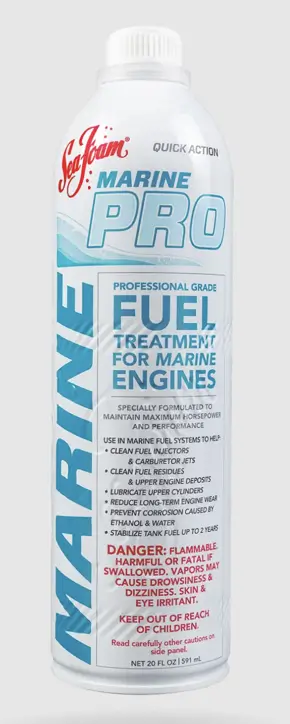
A professional-strength treatment designed for heavy-duty cleaning and stabilization.
Key Features
- Deep cleans injectors and carburetors
- Removes moisture from fuel
- Stabilizes fuel during storage
- Reduces engine hesitation and rough idle
- Safe for 2-stroke and 4-stroke engines
Best for: Cleaning heavily used engines.
4. Yamaha Ring Free Plus Fuel Additive
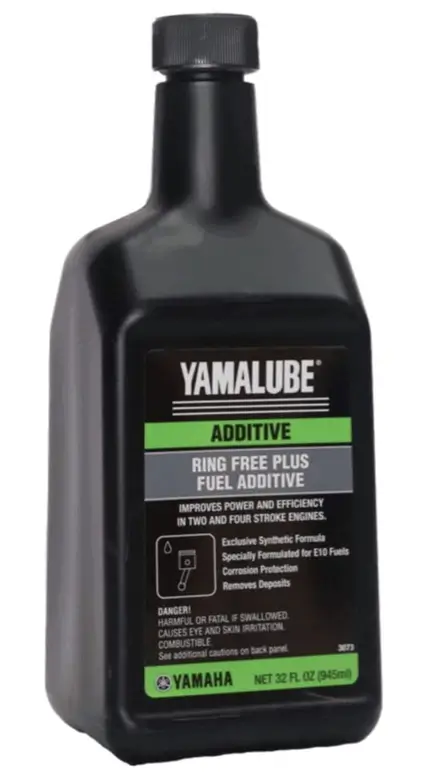
A premium additive designed to prevent carbon buildup in high-performance marine engines.
Key Features
- Prevents ring sticking and carbon deposits
- Enhances fuel stability
- Improves throttle response
- Ideal for high-output outboards
- OEM-recommended for Yamaha engines
Best for: Performance engines and carbon prevention.
Related Marine Engine Oil Filter Cross Reference(For All Models)
5. Mercury Quickstor Fuel Stabilizer
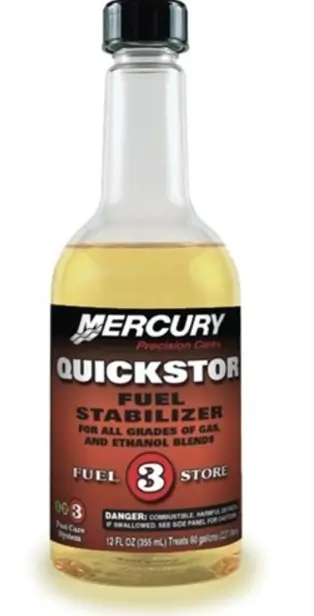
Designed for seasonal storage and corrosion prevention.
Key Features
- Prevents fuel oxidation and degradation
- Protects against corrosion
- Ideal for winterizing boats
- Maintains fuel freshness for months
- Suitable for all marine fuel systems
Best for: Seasonal storage and winterization.
Related Outboard Engine Flush Kit(Top 5 Best Picks 2026)
What Is Marine Fuel System Treatment?
Marine fuel system treatment is a fuel additive designed specifically for boats and other marine engines. Unlike automotive additives, marine formulas are built to combat water contamination, ethanol separation, and corrosion caused by humid and saltwater environments.
What it does:
- Stabilizes fuel during storage
- Prevents ethanol phase separation
- Cleans injectors and carburetors
- Removes carbon deposits
- Protects against corrosion and rust
- Improves engine performance and fuel efficiency
Related 4.3 Mercruiser Engine Oil Capacity(For All Models)
Why Marine Engines Need Fuel Treatment
Marine engines face unique challenges:
1. Ethanol-Blended Fuel Problems
Most marine fuel contains ethanol, which attracts moisture. This can lead to phase separation, where water and ethanol separate from gasoline, causing engine damage.
2. Long Storage Periods
Boats often sit idle for months. Untreated fuel degrades, forming gum and varnish that clog fuel systems.
3. Moisture & Corrosion
Humidity and saltwater accelerate corrosion inside fuel tanks and engine components.
How to Choose the Right Marine Fuel Treatment
When selecting a fuel system treatment, consider:
Engine Type
- Outboard engines: Look for carbon-cleaning formulas.
- Inboard engines: Choose corrosion protection.
Fuel Type
- Ethanol-blended fuel requires phase separation protection.
Usage Pattern
- Frequent use → cleaning formula
- Seasonal storage → stabilizer
How to Use Marine Fuel System Treatment
- Add the recommended amount to the fuel tank.
- Fill the tank to ensure proper mixing.
- Run the engine for 10–15 minutes to circulate the treated fuel.
Benefits of Using Marine Fuel Treatment
- Prevents costly engine repairs
- Improves fuel efficiency
- Extends engine lifespan
- Ensures reliable starting
- Reduces emissions and smoke
Signs Your Marine Fuel System Needs Treatment
- Engine hesitation or stalling
- Rough idle
- Poor fuel economy
- Hard starting after storage
- Visible carbon buildup
If you notice these symptoms, a fuel treatment can help restore performance.
FAQs
Is marine stabil better than regular stabil?
Yes, a marine fuel stabilizer is generally better for boats than a regular stabilizer. Marine formulas are specifically designed to combat moisture, ethanol phase separation, and corrosion caused by humid and saltwater environments.
They also provide protection during long storage periods, which are common for boats. Regular stabilizers help preserve fuel but often lack the corrosion inhibitors and water-control additives essential for marine engines.
What is the best fuel system treatment?
The best fuel system treatment depends on your needs. For overall protection, marine treatments that stabilize fuel, prevent corrosion, and clean injectors are ideal. If your engine needs deep cleaning, choose a formula designed to remove deposits and improve combustion. A high-quality treatment should stabilize fuel, control moisture, and maintain injector performance.
What is Marine 16 fuel treatment?
Marine 16 fuel treatment is a specialized additive designed to clean marine fuel systems, stabilize fuel, and protect against corrosion and contamination. It helps prevent deposit buildup, improves combustion efficiency, and protects engines from moisture damage. Some formulations also control microbial growth and disperse water in fuel to ensure reliable engine operation.
How do I know if I need fuel treatment?
You may need fuel treatment if you notice:
- Hard starting after storage
- Engine hesitation or rough idle
- Poor fuel economy
- Stalling or loss of power
- Sludge or water contamination in fuel
Fuel treatment is also recommended if your boat sits unused for extended periods or uses ethanol-blended fuel.
Can too much injector cleaner damage your engine?
Yes, using too much injector cleaner can potentially cause problems. Overuse may loosen large deposits that clog filters, alter combustion characteristics, or reduce lubrication in extreme cases. Most modern additives are safe when used as directed, so always follow the recommended dosage.
What are signs of a clogged fuel injector?
Common signs include:
- Rough idle
- Engine misfires
- Reduced power
- Poor fuel efficiency
- Hard starting
- Increased exhaust smoke
Fuel system cleaners can help restore proper spray patterns and engine performance.
How long does Marine 16 take to work?
Marine 16 begins working immediately after being added to fuel. As the engine runs, it cleans injectors and disperses contaminants. Noticeable improvements may appear within a few hours of operation, while full cleaning and protection typically occur over several fuel cycles.
Can too much fuel stabilizer hurt your engine?
In most cases, adding slightly more fuel stabilizer than recommended will not harm your engine. Marine stabilizers are designed to be safe even if slightly overdosed. However, excessive amounts may dilute fuel or affect combustion efficiency.
Final Thoughts
Marine fuel system treatment is a small investment that delivers significant benefits. By stabilizing fuel, preventing corrosion, and keeping injectors clean, these additives ensure your boat runs smoothly and reliably.
Our Top choices:
- Best overall protection: STA-BIL Marine 360
- Best for storage: Mercury Quickstor
- Best for ethanol fuels: Star Tron Enzyme Treatment
- Best for cleaning: Sea Foam Marine PRO
- Best for performance engines: Yamaha Ring Free Plus
Using a quality marine fuel treatment regularly will protect your engine, improve performance, and give you peace of mind on the water.