
Choosing the right pump impacts efficiency, safety, reliability, and operating costs. Pumps must handle a variety of fluids, including corrosive chemicals, viscous oils, abrasive slurries, and clean water, often under continuous duty cycles.
Selecting the right pump technology involves understanding how different pump types work and matching them to specific application demands.
Best Pump Tech For Industrial Fluid Handling
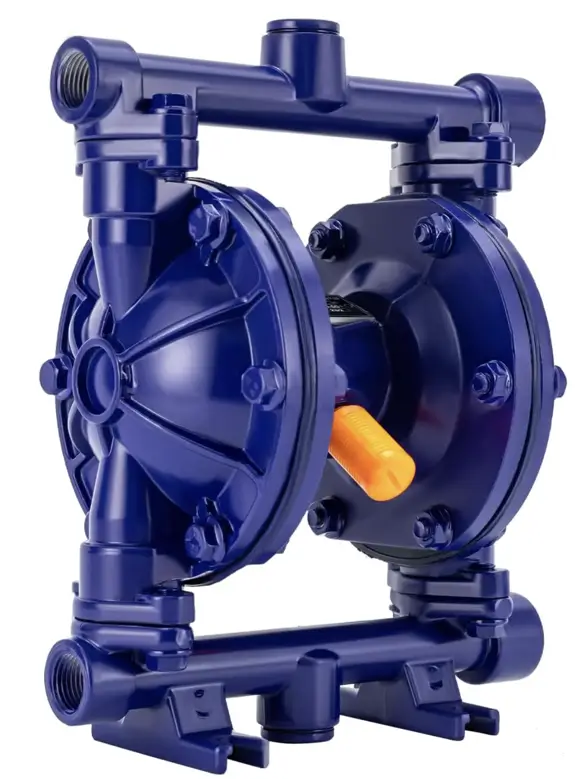
1. Heavy-Duty Air-Operated Double Diaphragm Pump
Features
- Air-powered operation, no electricity required
- Flow rate around 24 GPM, pressure up to 115 PSI
- Durable aluminum alloy body
- Suitable for petroleum products and industrial fluids
Why It’s Ideal
- Versatile and powerful for heavy transfer tasks
- Air-powered operation reduces ignition risks
- Robust construction for frequent industrial use
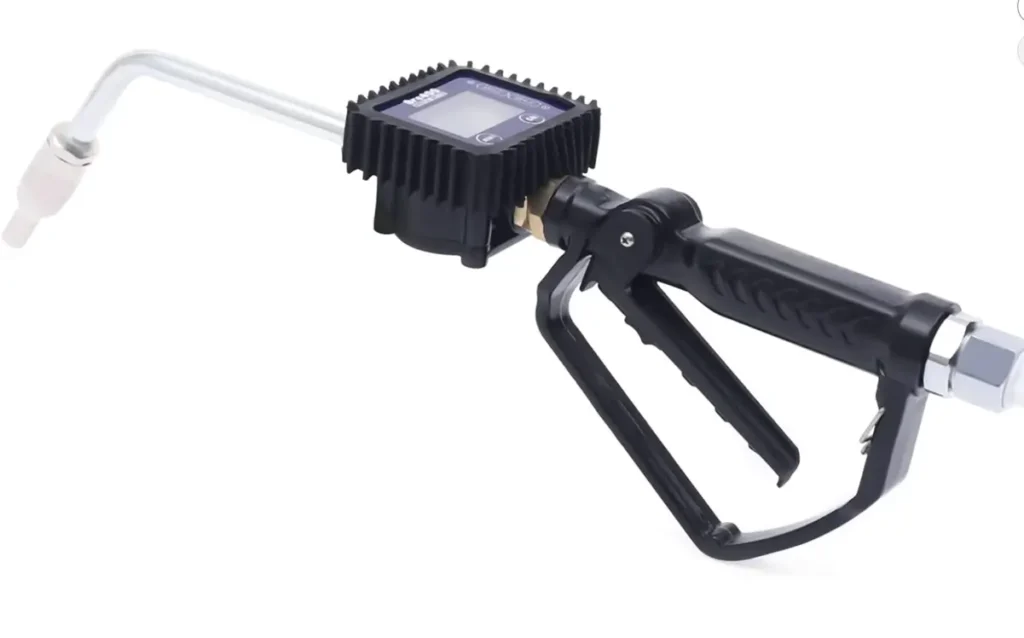
2. Heavy-Duty Oil and Fluid Transfer Pump with Control Valve
Features
- Air-operated design with control valve and meter
- Digital dispensing capability
- 1/2 BSP connection for wide compatibility
- Battery-assisted for portable use
Why It’s Ideal
- Combines fluid transfer and dispensing
- Portable and flexible
- Suitable for oil, diesel, and similar fluids
Related Transmission Temp Gauge(Top 5 BEST Picks 2026)
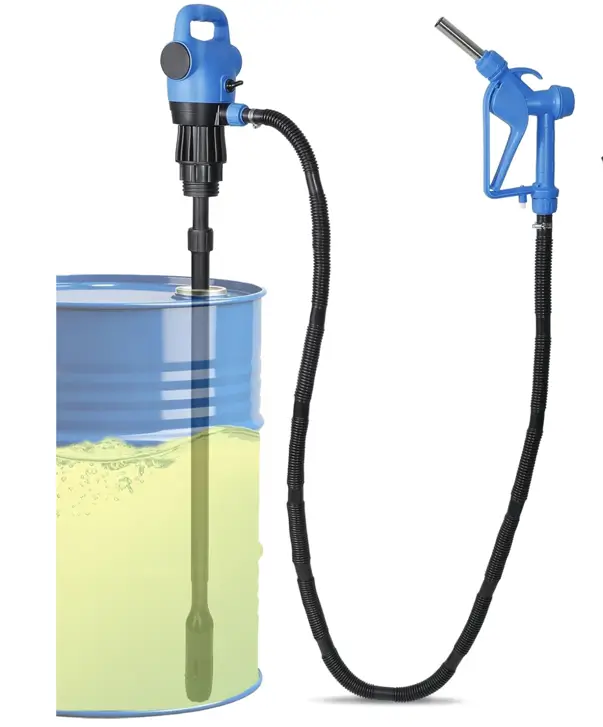
3. Electric Drum Pump – 120V/12V Transfer
Features
- Fits standard 55-gallon drums
- Self-priming electric operation
- Telescoping suction probe for adjustable depth
- Flow rate around 5 GPM
Why It’s Ideal
- Electric drive for continuous use
- Adjustable to fit different containers
- Suitable for oil, coolant, water, and similar liquids
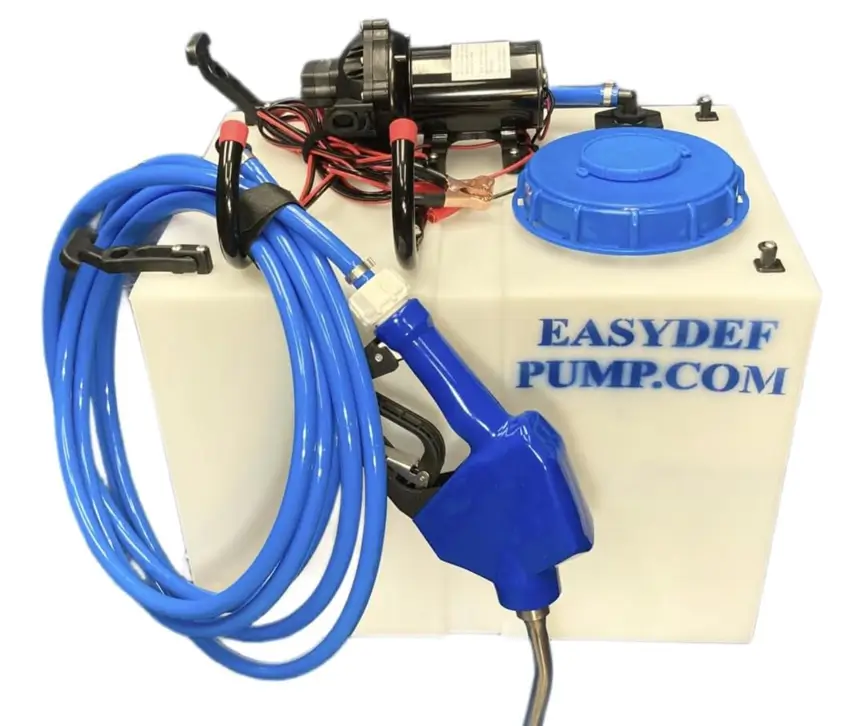
4. Industrial DEF and Chemical Transfer Pump
Features
- Approximately 10 GPM self-priming diaphragm pump
- 110V AC operation
- Handles diesel exhaust fluid, oils, and non-flammable liquids
- Rapid fluid transfer from tanks or drums
Why It’s Ideal
- Strong flow capacity for larger transfer tasks
- Self-priming increases ease of use
- Versatile for multiple industrial liquids
Related Electric Engine Oil Pump(Top 5 Best 2026)
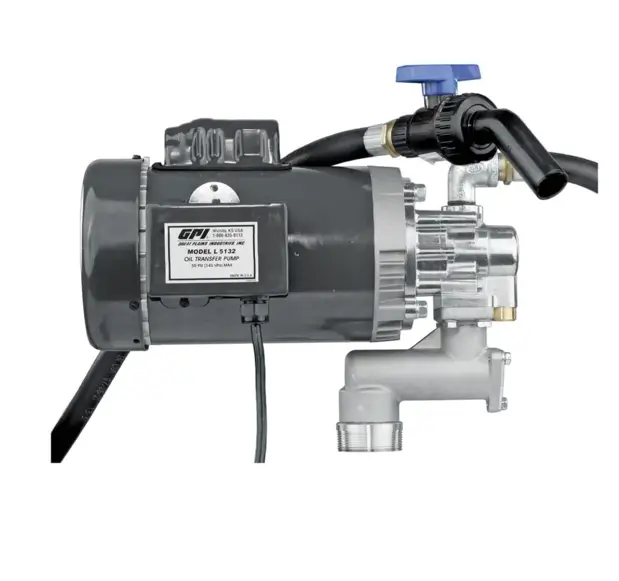
5. Heavy-Duty Triple Screw Industrial Transfer Pump
Features
- Robust construction for oil transfer
- Screw design for smooth, consistent flow
- Durable metal body suited for rough industrial environments
Why It’s Ideal
- Excellent for viscous fluids
- Built to last in demanding applications
- Great choice for oil and similar industrial fluids
Understanding Industrial Pump Technologies
1. Centrifugal Pumps
Centrifugal pumps are the most common industrial pumps. They use a rotating impeller to add energy to the fluid, converting velocity into fluid pressure. These pumps are ideal for low-viscosity, high-flow applications such as water circulation, cooling systems, HVAC, and process liquid circulation.
Key Benefits
- Simple, robust design
- Excellent for high-volume, low-pressure applications
- Lower maintenance requirements
Common Applications
- Cooling water recirculation
- Industrial washing systems
- Large-volume fluid transfer
Related Priming Engine Oil Pump(How to do it right way & Tools)
2. Positive Displacement Pumps
Positive displacement pumps trap a fixed volume of fluid and displace it through the discharge with each cycle. They are ideal for applications requiring precise flow control or high pressure and are often used for viscous or shear-sensitive fluids.
Subtypes
- Gear Pumps: Suitable for lubricants, oils, and high-viscosity fluids
- Diaphragm Pumps: Excellent for corrosive or abrasive liquids
- Peristaltic Pumps: Ideal for sterile, contamination-sensitive fluids
3. Diaphragm Pumps
Diaphragm pumps use a flexible membrane to create suction and discharge. This design isolates the fluid from moving parts, making them suitable for hazardous chemicals and solids-enriched fluids.
Advantages
- Self-priming
- Can run dry without damage
- Handles abrasive and corrosive liquids
Common Applications
- Chemical dosing
- Wastewater treatment
- Transfer of hazardous fluids
Related Oil Pump for 350 Chevy Engine(Top 3 Best 2026)
4. Peristaltic Pumps
Peristaltic pumps move fluid by compressing a flexible tube or hose. They are ideal for shear-sensitive fluids, such as food products or polymers. There are no valves or seals in contact with the fluid, which simplifies maintenance.
Benefits
- Minimal maintenance
- Gentle handling of delicate fluids
- Excellent for metering and dosing tasks
5. Screw, Lobe, and Rotary Pumps
These pumps provide smooth, continuous flow and are used where consistent, low-pulsation transfer is critical.
- Screw pumps: Handle viscous fluids or multiphase mixtures
- Lobe pumps: Suitable for sanitary applications such as food and pharmaceuticals
How to Choose the Right Pump
Match Pump Type to Fluid
- Low viscosity, high volume: Centrifugal
- High viscosity or precise dosing: Positive displacement/gear pumps
- Abrasive or corrosive chemicals: Diaphragm or peristaltic
- Shear-sensitive fluids: Peristaltic
Consider Flow and Pressure Requirements
- High head (pressure) requires multistage or specialized pumps
- High flow (GPM) requires larger impellers or higher displacement volumes
Installation and Safety
- Air-operated pumps reduce ignition risk in hazardous locations
- Electric pumps offer continuous duty but must meet safety standards
Ease of Maintenance
- Pumps that allow quick seal changes, fewer moving parts, and self-priming capabilities reduce downtime and maintenance costs.
Final words
Selecting the right pump technology for industrial fluid handling requires understanding fluid properties, duty conditions, safety environment, and maintenance constraints.
From diaphragm and screw pumps for heavy fluids to electric drum pumps for fast transfer work, there are reliable options available for industrial tasks. The five pumps featured here represent a range of technologies suited to real-world industrial fluid handling needs.