
A high-quality 20W-50 oil is especially useful in zero-turn mowers, lawn tractors, and heavy-duty machinery where thicker oil helps handle high temperatures and loads.
Best 20W50 Oil for Hydrostatic Transmission
1. AMSOIL 20W-50 Synthetic Hydrostatic Transmission Fluid
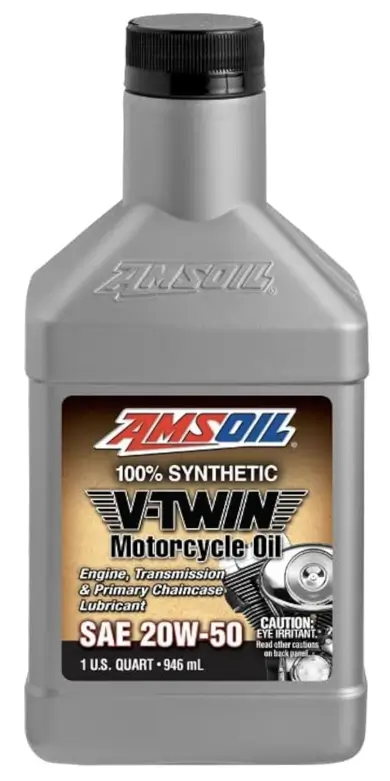
AMSOIL stands out as one of the best options because it is specifically engineered for hydrostatic systems rather than being a general-purpose engine oil. It uses a full synthetic formulation that provides excellent protection under extreme conditions.
Key Features:
- High zinc content for superior anti-wear protection
- Excellent heat and oxidation resistance
- Maintains viscosity under heavy loads
- Improves transmission responsiveness
- Ideal for commercial and heavy-duty use
2. Triax Trans Zero 20W-50 Full Synthetic Hydrostatic Oil
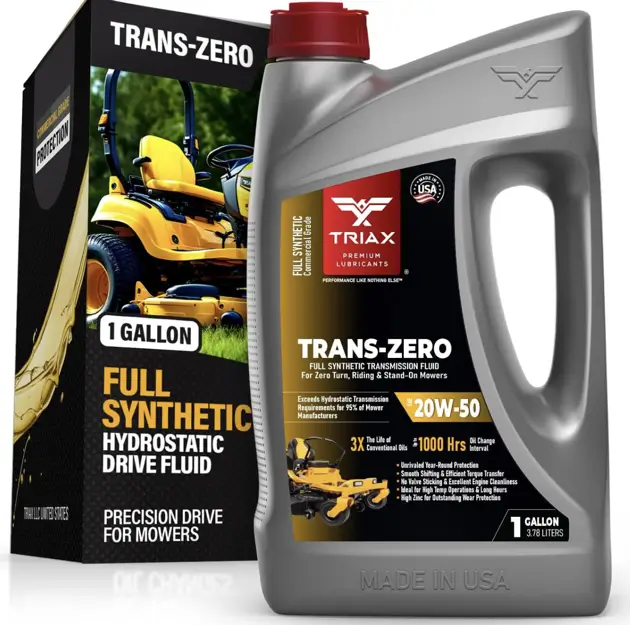
This oil is designed for demanding environments, particularly commercial landscaping equipment that operates for long hours. Its full synthetic base ensures durability and long service life.
Key Features:
- Full synthetic formulation for extended performance
- Strong resistance to shear breakdown
- Anti-foam additives for smooth operation
- Designed for zero-turn mowers and heavy-duty systems
- Suitable for long operating hours
Related Substitutes for Exmark Hydro Oil(Top 5 Substitutes)
3. Valvoline VR1 Racing 20W-50
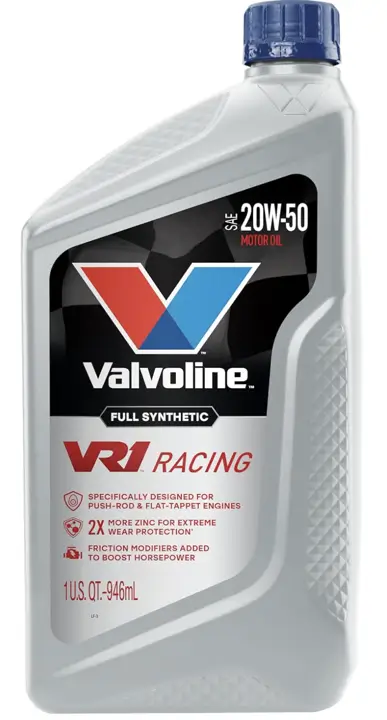
Valvoline VR1 Racing is a budget-friendly option that performs well in systems where engine oil is permitted. Although not specifically made for hydrostatic transmissions, it offers strong protection due to its diesel-grade formulation.
Key Features:
- Reliable wear protection with a strong additive package
- Good high-temperature performance
- Helps keep internal components clean
- Widely available and affordable
- Suitable for older or less demanding systems
4. Lucas Oil 20W-50 Hydrostatic Transmission Fluid
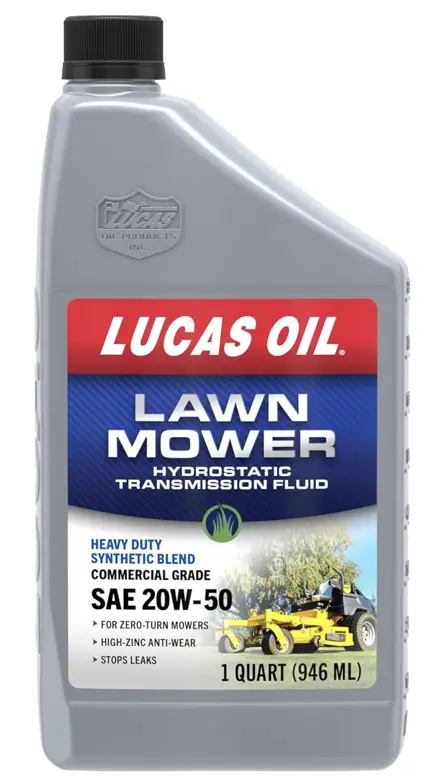
Lucas Oil provides a well-balanced option that combines affordability with performance. Its synthetic blend formulation offers improved lubrication and protection compared to conventional oils.
Key Features:
- Synthetic blend for balanced cost and performance
- Reduces friction and operating noise
- Protects against wear and corrosion
- Promotes smooth transmission operation
- Compatible with many hydrostatic systems
Related Hydraulic Oil Equivalent Chart(For All Brands)
5. Stens Shield 20W-50 Hydrostatic Transmission Fluid
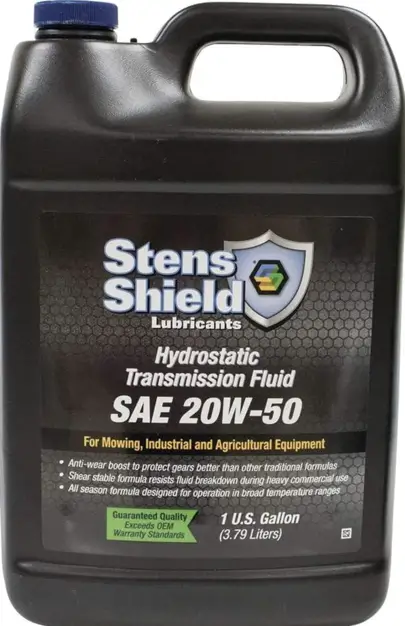
Stens Shield is a dependable option often used as an OEM replacement fluid. It is designed to provide consistent performance and durability across a wide range of equipment.
Key Features:
- Designed specifically for hydrostatic transmissions
- Stable viscosity across varying temperatures
- Protects against oxidation and wear
- Compatible with major mower brands
- Good value for routine maintenance.
Related Best 5W40 Fully Synthetic Engine Oil(Top 5 Picks 2026)
What to Look for in a 20W-50 Hydrostatic Oil
When selecting the right oil, several factors should guide your decision. First is viscosity stability, which ensures the oil maintains consistent thickness under extreme heat and pressure. Anti-wear additives, particularly zinc (ZDDP), are also important because they protect metal surfaces from friction and damage.
Thermal resistance is another key factor, as hydrostatic systems generate significant heat during operation. Additionally, the oil should have anti-foam properties to prevent air bubbles that can reduce hydraulic efficiency. Finally, compatibility with your equipment manufacturer’s recommendations should always be considered before choosing any oil.
Related Semi Truck Differential Oil Capacity Chart(For All Models)
FAQs
What oil to put in a hydrostatic transmission?
The best oil to use in a hydrostatic transmission is the one recommended by the equipment manufacturer, which is often a dedicated hydrostatic or hydraulic transmission fluid. However, many systems, especially in lawn tractors and zero-turn mowers, allow the use of high-quality 20W-50 oil. In such cases, a synthetic or hydrostatic-specific 20W-50 oil is preferred because it provides better heat resistance, wear protection, and consistent performance under pressure.
Which 20W50 oil is best?
The best 20W-50 oil for hydrostatic transmission is one specifically formulated for hydrostatic systems, such as a full synthetic option with strong anti-wear additives. Oils like AMSOIL and Triax are considered top choices due to their high zinc content, thermal stability, and resistance to viscosity breakdown. For budget users, oils like Shell Rotella T4 can also perform adequately in systems that permit engine oil.
What can I use instead of hydrostatic oil?
If a dedicated hydrostatic fluid is not available, you can use alternatives such as 20W-50 motor oil or high-quality hydraulic oil – but only if the manufacturer allows it. Diesel engine oils with strong additive packages are often used in older systems. However, using the wrong fluid can reduce efficiency, cause overheating, or damage internal components, so always verify compatibility first.
Can you use 20W50 as hydraulic oil?
Yes, 20W-50 can sometimes be used as a hydraulic oil substitute in certain hydrostatic transmissions, particularly in small engines and mower systems designed for it. It provides good lubrication and pressure stability, but it is thicker than most standard hydraulic fluids. This means it may not perform well in cold conditions or in systems designed for lighter viscosity oils.
Can you use motor oil for hydrostatic oil?
Motor oil can be used in some hydrostatic transmissions, especially older or simpler systems that specify it. High-quality motor oils, particularly those with strong anti-wear additives, can provide adequate protection. However, modern hydrostatic systems often require specialized fluids, so using motor oil without checking the manufacturer’s recommendation can lead to reduced performance or premature wear.
How often do you change the oil in a hydrostatic transmission?
Oil change intervals for hydrostatic transmissions vary depending on the equipment and usage. Typically, the oil should be changed every 200 to 500 hours of operation, or at least once a year for regularly used equipment. For heavy-duty or commercial use, more frequent changes may be necessary. Regular maintenance, including checking fluid levels and condition, is essential for extending the life of the transmission.
Final Thoughts
The best 20W-50 oil for your hydrostatic transmission depends on how you use your equipment. For heavy-duty or commercial applications, full synthetic oils like AMSOIL or Triax provide the highest level of protection and performance.
For moderate or occasional use, a synthetic blend like Lucas Oil offers a good balance between cost and durability. Budget-conscious users with older equipment may find Shell Rotella T4 sufficient, as long as the manufacturer allows its use.
Ultimately, choosing a high-quality oil with strong anti-wear additives, stable viscosity, and excellent heat resistance will help extend the life of your hydrostatic transmission and keep your equipment running smoothly.