
In this guide, you’ll learn the recommended BMW X5 engine oil type, how to choose the right viscosity, oil capacity, oil change intervals, and the five best engine oils available.
BMW X5 Engine Oil Type
1. BMW TwinPower Turbo SAE 5W-30 Full Synthetic Motor Oil
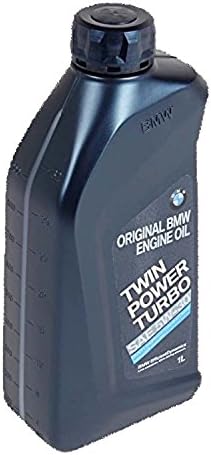
- For best performance, follow the manufacturer’s recommendations in your vehicle owner’s manual.
- ACEA a3/B4
- a3/B4
This is the factory-recommended oil developed specifically for BMW engines.
Features
- Genuine BMW oil
- Full synthetic formulation
- Meets BMW Longlife-01 requirements
- Excellent turbocharger protection
- Outstanding cold-start lubrication
- Helps reduce engine deposits
- Designed for maximum engine life
Best for: Owners wanting the exact oil specified by BMW.
Related BMW Refrigerant Capacity(for All Models)
2. Mobil 1 ESP Formula 5W-30 Full Synthetic Motor Oil

- For best performance, follow the manufacturer’s recommendations in your vehicle owner’s manual.
- Advanced full synthetic formula
- Outstanding thermal and oxidation stability
Mobil 1 ESP is one of the best premium synthetic oils for European vehicles.
Features
- Meets numerous European manufacturer approvals
- Excellent wear protection
- Helps keep engines clean
- Low-ash formula
- Outstanding oxidation resistance
- Excellent high-temperature stability
- Suitable for turbocharged engines
Best for: Daily driving and extended engine protection.
3. Castrol EDGE Euro 5W-30 Full Synthetic Motor Oil
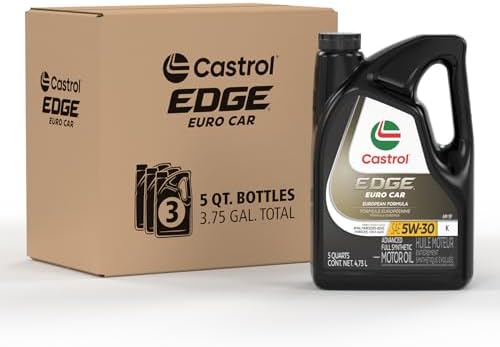
- 3X Better wear protection to reduce friction and optimize performance* 1.9X Better engine cleanliness to help maximize e…
- Approved and licensed specifications: ACEA C3 API SP BMW Longlife-04 MB-Approval 229.31/ 229.51/ 229.52 VW 504 00 / 507 …
- Suitable for use in the following specifications: VW 505 00 / 505 01
Castrol EDGE is engineered for high-performance European engines.
Features
- Titanium technology for increased strength
- Excellent film strength
- Superior wear protection
- High-temperature stability
- Helps reduce engine deposits
- Suitable for turbocharged engines
- Meets many European oil standards
Best for: High-mileage BMW X5 models and spirited driving.
Related Best Engine Oil for BMW 3 Series(Top 3 Picks 2026)
4. Pennzoil Platinum Euro LX 0W-30 Full Synthetic Motor Oil
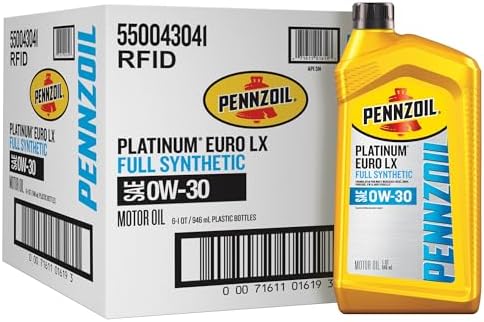
- Full synthetic 0W-30 motor oil that is made with natural gas and designed to maximize engine protection
- Formulated for high-performance diesel and gasoline engines in European vehicles, including Fiat, BMW, Mercedes-Benz, Po…
- Helps extend engine life and protects for up to 15 years or 500,000 miles, whichever comes first, guaranteed*
Pennzoil Platinum Euro is formulated specifically for European luxury vehicles.
Features
- Made from natural gas technology
- Outstanding cleanliness
- Excellent cold-weather performance
- Helps improve fuel economy
- Superior wear protection
- Low volatility
- Suitable for extended drain intervals
Best for: Modern BMW X5 engines requiring 0W-30 oil.
5. Liqui Moly Leichtlauf High Tech 5W-40

- Rapid oil delivery at low temperatures, high lubrication reliability at high and low temperatures
- Long engine service life due to high level of protection against wear, mixable and compatible with commercially-availabl…
- Outstanding engine cleanliness, tested with catalytic converters and performance proved with turbochargers
Liqui Moly is one of Germany’s most respected lubricant manufacturers.
Features
- German-engineered synthetic oil
- Excellent engine cleanliness
- High shear stability
- Outstanding wear protection
- Smooth engine operation
- Excellent turbo protection
- Suitable for demanding driving conditions
Best for: Older BMW X5 models and drivers seeking premium protection.
Related N54 Engine Oil Capacity(All N54 BMW Models)
BMW X5 Recommended Engine Oil Type
BMW recommends full synthetic engine oil for all modern X5 models.
Depending on the engine and model year, the recommended viscosities include:
- SAE 0W-20
- SAE 0W-30
- SAE 5W-30
- SAE 5W-40
More importantly, the oil should meet one of BMW’s Longlife specifications such as:
- BMW Longlife-01 (LL-01)
- BMW Longlife-04 (LL-04)
- BMW Longlife-12 FE
- BMW Longlife-17 FE+
BMW X5 Oil Capacity
Oil capacity varies by engine.
| Engine | Approximate Capacity |
|---|---|
| 3.0L Inline-6 Turbo | 6.9–7.4 quarts |
| 4.4L Twin-Turbo V8 | 9–10.5 quarts |
| Diesel Models | 7–8.5 quarts |
| Plug-in Hybrid Models | Around 6.5–7 quarts |
Always replace the oil filter during every oil change.
Related Mazda CX 5 Engine Oil(6 Best Picks 2026)
Recommended Oil Viscosity by Climate
Choose the viscosity recommended by BMW.
General guidelines include:
- 0W-20 – Excellent fuel economy and cold weather performance.
- 0W-30 – Suitable for most climates.
- 5W-30 – Ideal for moderate to warm temperatures.
- 5W-40 – Better protection in hotter climates or spirited driving.
Never use thicker or thinner oil unless approved by BMW.
How Often Should You Change BMW X5 Engine Oil?
BMW often recommends oil changes between 10,000 and 15,000 miles under ideal driving conditions.
However, many independent BMW specialists recommend changing the oil every:
- 5,000–7,500 miles
- Once every year
- Sooner if you frequently tow, drive in heavy traffic, or make short trips
More frequent oil changes can help extend engine life, especially for turbocharged engines.
Related Honda Accord Engine Oil Type(5 Best Picks 2026)
Why Full Synthetic Oil Is Important
BMW engines generate high temperatures and often use turbochargers that place additional stress on engine oil.
Full synthetic oil offers several advantages:
- Better high-temperature protection
- Improved cold-start performance
- Longer oil life
- Reduced engine wear
- Better sludge resistance
- Improved fuel economy
- Enhanced turbocharger protection
Using conventional oil is generally not recommended for modern BMW X5 models.
Signs Your BMW X5 Needs an Oil Change
Watch for these common symptoms:
- Oil service reminder appears
- Engine oil level is low
- Dark or dirty oil
- Increased engine noise
- Reduced fuel economy
- Burning oil smell
- Rough engine operation
- Poor acceleration
Ignoring these warning signs can result in premature engine wear.
Tips for Maintaining Your BMW X5 Engine
Follow these maintenance practices to keep your engine running smoothly:
- Always use BMW-approved synthetic oil.
- Replace the oil filter during every oil change.
- Check the oil level regularly using the electronic oil monitoring system.
- Allow the engine to warm up before aggressive driving.
- Address oil leaks immediately.
- Avoid mixing different oil viscosities unless absolutely necessary.
- Follow BMW’s maintenance schedule.
Can You Switch Between 0W-20, 0W-30, and 5W-30?
Only if your specific BMW engine allows it.
Many BMW engines are approved for multiple viscosities depending on climate and model year. However, always ensure the oil meets the required BMW Longlife specification. Using the correct approval is often more important than choosing a specific viscosity.
Choosing the Best Engine Oil for Your BMW X5
When shopping for engine oil, consider the following:
- Correct viscosity recommended by BMW
- BMW Longlife approval
- Full synthetic formulation
- Compatibility with turbocharged engines
- Strong wear protection
- High-temperature stability
- Reputable manufacturer
Premium oils may cost more upfront but can significantly reduce engine wear and help maintain long-term reliability.
Final Thoughts
Selecting the correct BMW X5 engine oil type is one of the easiest ways to protect your investment. Most modern BMW X5 models require a premium full synthetic oil that meets BMW Longlife specifications, with viscosities such as 0W-20, 0W-30, 5W-30, or 5W-40, depending on the engine and model year.
Among the top choices, BMW TwinPower Turbo SAE 5W-30 remains the closest match to factory recommendations, while Mobil 1 ESP, Castrol EDGE Euro, Pennzoil Platinum Euro LX, and Liqui Moly Leichtlauf High Tech all provide exceptional protection for BMW’s high-performance engines.