
This guide covers the 2012 Ram 1500 5.7 oil capacity, recommended engine oil, oil change intervals, and important tips for checking and changing the oil.
2012 Ram 1500 5.7 Oil Capacity
The 2012 Ram 1500 equipped with the 5.7L HEMI V8 engine has an engine oil capacity of approximately 7 quarts (6.6 liters), including the oil filter
| Specification | 2012 Ram 1500 5.7L HEMI |
|---|---|
| Vehicle | 2012 Ram 1500 |
| Engine | 5.7L HEMI V8 |
| Engine displacement | 5.7 liters |
| Oil capacity with filter | Approximately 7 US quarts |
| Oil capacity in liters | Approximately 6.6 liters |
| Recommended oil viscosity | SAE 5W-20 |
| Oil type | Full synthetic or conventional oil meeting the required specifications |
| Oil filter | Replace during every oil change |
When changing the oil, it is best to begin with slightly less than the full capacity. After adding oil, allow it to settle, check the dipstick, and gradually add more until the level reaches the recommended mark.
Important: Oil capacity can vary depending on the engine configuration and service requirements. Always confirm the specification in your owner’s manual/service document or verify the level using the dipstick after servicing.
Related 2012 Dodge Ram 1500 AC Refrigerant Capacity
Best Engine Oils for 2012 Ram 1500
1. Pennzoil Platinum Full Synthetic 5W-20

- The information below is per-pack only
- Full synthetic 5W-20 engine oil that is made with natural gas and designed for complete protection for top engine perfor…
- Helps extend engine life and protects for up to 15 years or 500,000 miles, whichever comes first. Guaranteed* (see Warra…
- SAE 5W-20 viscosity
- Full synthetic formulation
- Designed for strong engine protection
- Good choice for daily driving
- Check the bottle for the required Chrysler MS-6395 specification before purchasing
2. Mobil 1 Advanced Fuel Economy 5W-20
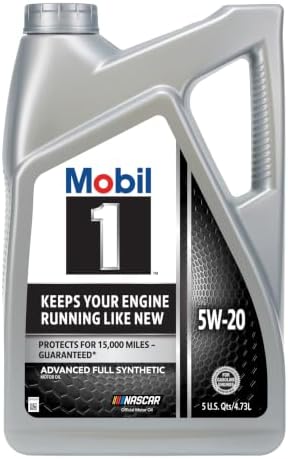
- Helps extend engine life, even in severe conditions
- Protects for 15,000 miles – guaranteed*
- Contains additives to help fight sludge
- SAE 5W-20 full synthetic oil
- Designed for fuel economy and engine protection
- Good low-temperature performance
- Suitable for everyday driving and highway use
- Verify the current bottle specification for MS-6395 compatibility
3. Valvoline Advanced Full Synthetic 5W-20
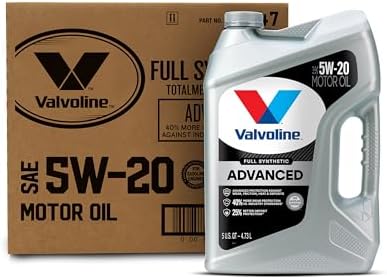
- Advanced protection against the four main causes of engine breakdown: wear friction heat and deposits
- 40% better wear protection vs. industry standards as tested in the Sequence IVB engine test
- 25% better deposit protection with superior engine cleaning detergents as tested in the GMOD engine test
- SAE 5W-20 full synthetic formulation
- Designed for wear protection
- Suitable for high-temperature operation
- Good option for trucks used for regular commuting and towing
- Confirm the required manufacturer specification on the product label
Related 2018 Ram 1500 Oil Type(3 Best Options 2026)
Recommended Oil Type for the 2012 Ram 1500 5.7 HEMI
The recommended engine oil viscosity for the 2012 Ram 1500 5.7L HEMI is SAE 5W-20. This viscosity is designed to provide reliable lubrication during cold starts while maintaining suitable protection when the engine reaches operating temperature.
The 5W rating indicates how the oil performs in colder conditions, while the 20 indicates its viscosity at higher operating temperatures.
For the best results, choose an engine oil that meets the required Chrysler or Stellantis oil performance specifications listed in your owner’s manual.
Should You Use Synthetic Oil?
The 2012 Ram 1500 5.7L HEMI can use suitable conventional or synthetic-blend oil that meets the manufacturer’s requirements. However, many owners choose full synthetic oil because of its potential advantages.
Full synthetic oil may provide:
- Better resistance to high-temperature breakdown.
- Improved protection during demanding driving conditions.
- Better performance during cold starts.
- Improved resistance to sludge and deposits.
- More consistent lubrication during towing and heavy workloads.
Synthetic oil is especially worth considering if you frequently tow trailers, drive in very hot weather, or operate your truck under severe conditions. However, using synthetic oil does not automatically mean you can extend the oil change interval beyond the manufacturer’s recommendation.
Related Ram 1500 Oil Type(Top 5 Best Option 2026)
Why the Correct Oil Capacity Matters
Adding the correct amount of oil is essential for the proper operation of the 5.7L HEMI engine. Too little or too much oil can create problems.
Problems Caused by Low Engine Oil
When the engine oil level is too low, some internal components may not receive adequate lubrication. This can increase friction and heat and may accelerate engine wear.
Low oil levels can also affect the operation of components that depend on proper oil pressure, including parts of the engine’s valve train.
If the oil warning light comes on, stop safely and investigate the problem. Do not continue driving with low oil pressure.
Problems Caused by Too Much Engine Oil
Overfilling the engine can cause the crankshaft to contact the oil, potentially creating air bubbles or foam. Aerated oil may not lubricate the engine effectively.
Excess oil can also contribute to leaks, increased crankcase pressure, and other mechanical problems.
For this reason, do not simply pour in seven quarts without checking the oil level. The correct procedure is to add oil gradually and use the dipstick to confirm the final level.
Related Ram TRX Engine Oil Capacity(+Best Recommended Oils)
How to Change the Oil on a 2012 Ram 1500 5.7
Changing the oil on a 2012 Ram 1500 5.7L HEMI involves draining the old oil, replacing the filter, and adding fresh oil.
Before starting, gather the following items:
- Approximately 7 quarts of the recommended SAE 5W-20 engine oil.
- A compatible replacement oil filter.
- A drain pan.
- A socket or wrench for the drain plug.
- An oil filter wrench, if necessary.
- A funnel.
- Gloves and shop towels.
- A jack and jack stands or suitable vehicle ramps, if required.
Step 1: Warm Up the Engine
Run the engine for a few minutes to allow the oil to warm slightly. Warm oil generally drains more easily than cold oil.
Do not work underneath a vehicle supported only by a jack. Use appropriate supports and follow safe lifting procedures.
Step 2: Drain the Old Oil
Park the truck on a level surface and switch off the engine.
Position a drain pan beneath the oil pan. Carefully remove the drain plug and allow the old oil to drain completely.
Be cautious because the oil and surrounding components may be hot.
Once the oil has stopped draining, reinstall the drain plug. Tighten it according to the manufacturer’s specified torque.
Step 3: Replace the Oil Filter
Remove the old oil filter and allow any remaining oil to drain into the pan.
Before installing the new filter, inspect the old filter’s sealing surface to ensure the old gasket has not remained attached.
Apply a small amount of clean engine oil to the new filter’s rubber gasket. Install the filter according to the manufacturer’s instructions.
Avoid overtightening the filter, as this can damage the gasket or make future removal difficult.
Step 4: Add Fresh Engine Oil
Remove the oil filler cap on top of the engine and place a funnel in the filler opening.
Add fresh SAE 5W-20 engine oil gradually. Because the approximate capacity is 7 quarts with the filter, it is sensible to add most of that amount first and then check the level.
Do not assume that the entire capacity is required if some old oil remains in the engine.
Step 5: Check the Oil Level
After adding oil, reinstall the filler cap and start the engine for a short period.
Switch off the engine and wait several minutes for the oil to drain back into the oil pan.
Park the truck on level ground and check the dipstick. Add oil slowly until the level reaches the appropriate mark.
Avoid filling beyond the maximum mark.
Related Ford 460 Engine Oil Capacity(+ Best Recommended Oils)
2012 Ram 1500 5.7 Oil Change Interval
The recommended oil change interval depends on driving conditions, oil quality, and the vehicle’s maintenance schedule.
For normal driving, many owners follow an interval of approximately 7,500 miles or six months, depending on the applicable maintenance schedule and operating conditions.
However, severe driving conditions may require more frequent oil changes.
Severe conditions may include:
- Frequent short-distance trips.
- Extended idling.
- Frequent towing or hauling.
- Driving in dusty environments.
- Repeated stop-and-go traffic.
- Operating in extremely hot or cold conditions.
- Frequent off-road driving.
If your Ram 1500 is regularly used for heavy towing or demanding work, inspect the oil condition and follow the severe-service recommendations in the owner’s manual.
It is also important to remember that an oil change interval is not a substitute for checking the oil level regularly.
How to Check the Engine Oil Level
Checking the engine oil level is a simple maintenance task that can help identify leaks or excessive oil consumption.
Follow these steps:
- Park the truck on a level surface.
- Turn off the engine.
- Allow the oil to settle for several minutes.
- Remove the dipstick and wipe it clean.
- Reinsert the dipstick fully.
- Remove it again and inspect the oil level.
- Add the recommended oil if the level is low.
The oil should generally appear between the minimum and maximum marks on the dipstick.
If the oil level repeatedly drops between oil changes, inspect the engine for leaks or have a qualified technician check for oil consumption.
Does the 2012 Ram 1500 5.7 HEMI Use a Special Oil?
The 5.7L HEMI does not require a unique oil formulation simply because it is a HEMI engine. However, the oil must meet the required viscosity and performance specifications.
When selecting oil, pay attention to:
- SAE viscosity rating.
- API performance classification.
- Manufacturer-required specifications.
- Compatibility with the engine’s operating conditions.
Using the correct oil is more important than choosing a product based solely on its brand name.
Some aftermarket oils are marketed specifically for high-mileage engines or performance vehicles. These products may be suitable, but their specifications should be checked before use.
FAQs
How many quarts of oil does a 2012 Ram 1500 5.7 take?
The 2012 Ram 1500 5.7L HEMI takes approximately 7 US quarts of engine oil with a filter change. Confirm the final level with the dipstick after servicing.
What oil does a 2012 Ram 1500 5.7 HEMI use?
The recommended viscosity is generally SAE 5W-20. Select an oil that meets the performance specifications required by the manufacturer.
Can I use 5W-30 instead of 5W-20?
SAE 5W-20 is the specified viscosity for this application under normal conditions. Do not substitute a different viscosity unless the owner’s manual or a qualified technician confirms that it is appropriate for your operating conditions.
Should I change the oil filter every time?
Yes. Replacing the oil filter during every oil change helps remove contaminants from the engine oil and supports proper lubrication.
Why is my 5.7 HEMI losing oil?
Oil loss may result from external leaks, oil consumption, worn components, or other mechanical problems. Check for visible leaks and monitor the dipstick. If the oil level drops quickly, have the engine inspected.
Final Thoughts
The 2012 Ram 1500 5.7 oil capacity is approximately 7 US quarts, or 6.6 liters, including the oil filter. The recommended oil viscosity is SAE 5W-20, provided the oil meets the manufacturer’s required specifications.
When changing the oil, replace the filter, use the correct amount of fresh oil, and check the dipstick before driving. Regular oil changes and proper oil-level checks can help maintain the performance and longevity of the 5.7L HEMI V8 engine.