
Toyota WS fluid is known for its smooth shifting performance, fuel efficiency benefits, and long service life. However, it is also not always the cheapest or easiest OEM fluid to find. That’s why many drivers look for Toyota WS transmission fluid equivalents that meet or exceed the same JWS 3324 specification.
Below are the best Toyota WS transmission fluid equivalents.
Toyota WS Transmission Fluid Equivalent
1. Valvoline MaxLife Multi-Vehicle ATF
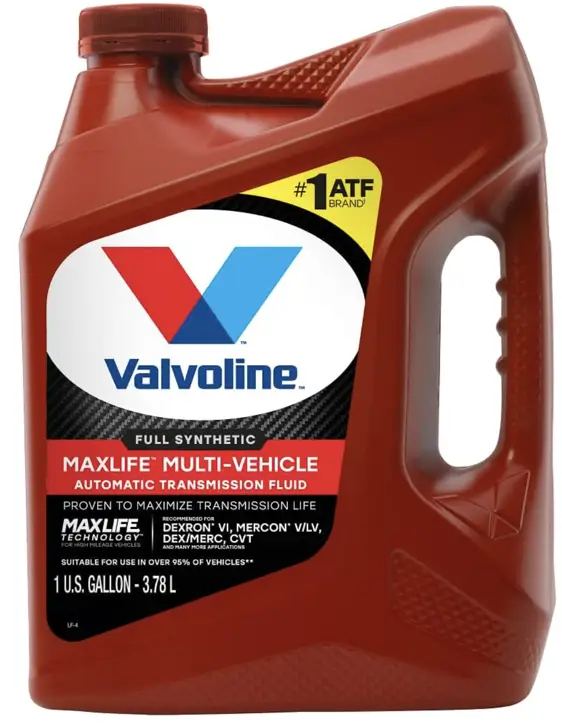
Valvoline MaxLife Multi-Vehicle ATF
One of the most popular Toyota WS alternatives.
Features:
- Full synthetic formulation
- Compatible with Toyota WS (JWS 3324)
- Excellent anti-wear and anti-shudder performance
- Helps reduce leaks and seal hardening
- Suitable for high-mileage transmissions
- Wide compatibility across many OEM specs
2. Idemitsu Type TLS-LV ATF (WS Compatible)
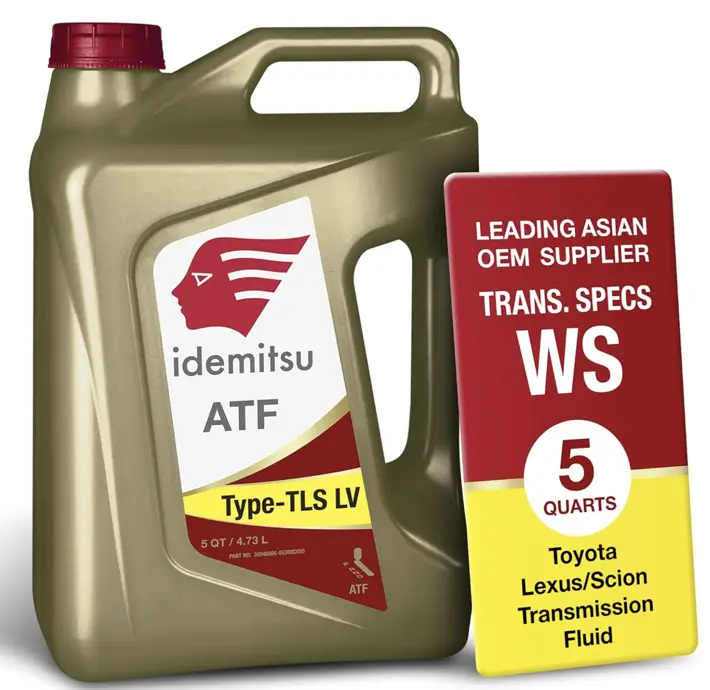
Idemitsu Type TLS-LV ATF
Idemitsu is one of the actual OEM suppliers for many Asian transmissions.
Features:
- Specifically designed for Toyota WS systems
- Factory-level friction performance
- Excellent thermal stability
- Smooth shifting under heavy load
- Low viscosity for fuel efficiency
- High resistance to oxidation
Related ASRC Transmission Fluid Compatibility Chart(For All Brands)
3. Castrol Transmax Import Multi-Vehicle ATF
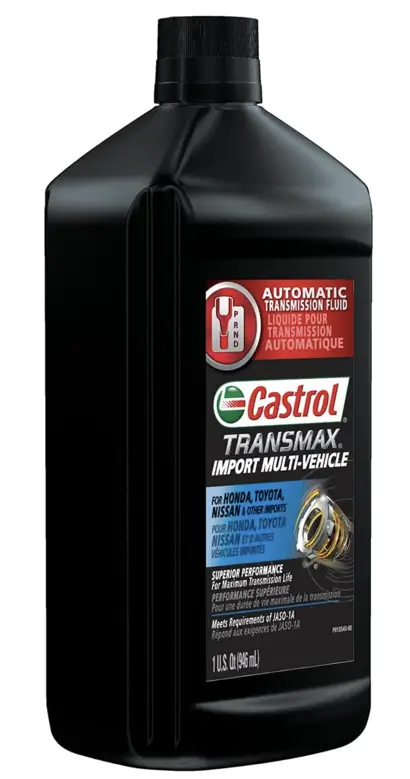
Castrol Transmax Import Multi-Vehicle ATF
A strong synthetic option designed for imported vehicles.
Features:
- Multi-vehicle compatibility, including Toyota WS
- Smooth shifting under varying temperatures
- Strong wear protection additives
- Good oxidation resistance
- Reliable cold-weather performance
- Suitable for Asian import transmissions
4. Aisin ATF-0WS (WS Equivalent Fluid)
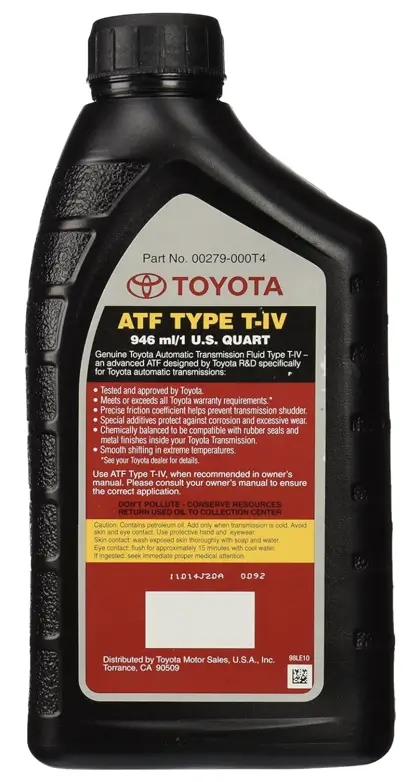
AISIN ATF-0WS
Aisin builds many Toyota transmissions, making this a highly trusted alternative.
Features:
- OEM-level compatibility with Toyota WS
- Factory-spec friction modifiers
- Excellent durability in Toyota/Lexus transmissions
- Stable viscosity under heat
- Reduces clutch wear and slippage
- Designed for Aisin-Warner gearboxes
Related Toyota Engine Oil Capacity Chart(Model A to Z)
5. Red Line D6 ATF
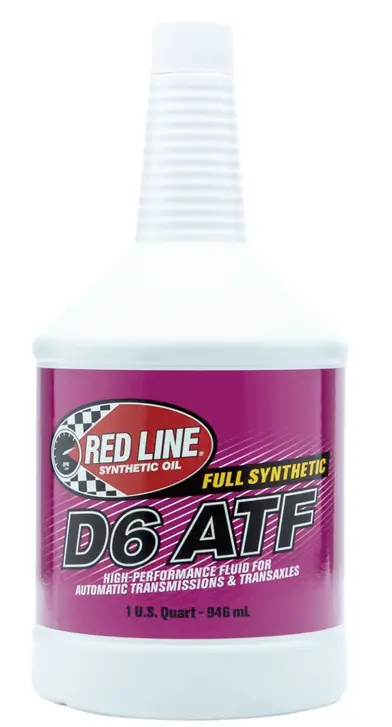
Red Line D6 ATF
A high-performance synthetic ATF is used in many modern vehicles.
Features:
- Fully synthetic ester-based fluid
- Excellent high-temperature stability
- Strong anti-wear protection
- Suitable for Toyota WS applications
- Very stable viscosity under stress
- Extended drain interval potential
Important Compatibility Information (Very Important)
Toyota WS is NOT interchangeable with older Toyota ATFs, such as:
- Toyota Type T-IV
- Dexron III / II
- Most universal ATFs not rated WS
Using the wrong fluid can lead to:
- Harsh or delayed shifting
- Transmission overheating
- Torque converter shudder
- Internal clutch wear
- Long-term transmission damage
WS fluid viscosity is significantly lower (around 5.5–6.5 cSt at 100°C), which means it behaves very differently from older fluids designed for thicker hydraulic systems.
Related Camry Engine Oil Type(Top 5 Best Picks 2026)
You will find Toyota WS fluid in popular models such as:
- Toyota Camry
- Toyota Corolla
- Toyota RAV4
- Toyota Highlander
- Toyota Tacoma
- Toyota Tundra
- Lexus ES, RX, GX, and more
Toyota WS is also commonly referred to as:
- JWS 3324 specification
- NWS 9638 specification
These codes refer to the same performance standard used by Aisin-Warner transmissions, which Toyota owns and heavily integrates into its drivetrain system
What Makes a Good Toyota WS Equivalent?
A true equivalent must:
- Meet JWS 3324 / NWS 9638 specification
- Be full synthetic
- Have correct low-viscosity friction modifiers
- Provide anti-shudder performance
- Be approved or recommended for Toyota/Lexus/Aisin transmissions
Most high-quality alternatives are labeled:
“Compatible with Toyota WS / JWS 3324”
Related RAV4 Engine Oil(Top 5 Best Picks 2026)
Key Benefits of Using a WS Equivalent Fluid
Using a high-quality equivalent instead of OEM WS can offer:
- Improved wear protection in some formulations
- Better high-temperature stability
- Stronger detergent additives for cleanliness
- Sometimes lower cost than OEM fluid
- Extended service life (depending on brand)
However, performance depends heavily on vehicle condition and fluid choice.
Important Warning Before Using Equivalents
Even though many fluids are labeled “WS compatible,” Toyota does not officially endorse most aftermarket ATFs.
Avoid:
- Mixing different ATF types
- Using Dexron-only fluids not rated for WS
- Low-quality universal ATFs without clear specs
Best practice:
- Use OEM Toyota WS if under warranty
- Use high-quality synthetic WS-compatible ATF if out of warranty
Related Toyota Corolla Engine Swap Compatibility Chart(All Generations)
Common Mistakes to Avoid
Avoid these mistakes when selecting WS fluid:
- Using Dexron-only ATF
- Mixing different ATF types
- Using low-quality “universal ATF” without WS approval
- Ignoring viscosity specs
- Assuming all “multi-vehicle ATF” is safe
Even small fluid mismatches can affect Toyota transmissions because they are very sensitive to friction characteristics.
When You Should Stick to OEM Toyota WS
Use OEM fluid if:
- Your vehicle is still under warranty
- You drive a newer Toyota/Lexus model
- You do heavy towing or off-roading
- You want maximum manufacturer-backed reliability
Final Thoughts
Toyota WS transmission fluid is a precision-engineered fluid designed for modern Toyota and Lexus transmissions. While OEM fluid is always the safest choice, several high-quality WS equivalents like Valvoline MaxLife, Idemitsu TLS-LV, and Aisin ATF-0WS have become trusted alternatives among mechanics and vehicle owners.
If you want maximum reliability, go OEM. If you want a cost-effective but still high-quality option, choose a fully synthetic WS-compatible ATF from a reputable brand.