
Synchromesh transmission fluids are specially formulated lubricants designed for manual transmissions equipped with synchronizers. Synchronizers are components that align gear speeds for smooth, grind-free shifting.
Best Synchromesh Transmission Fluid
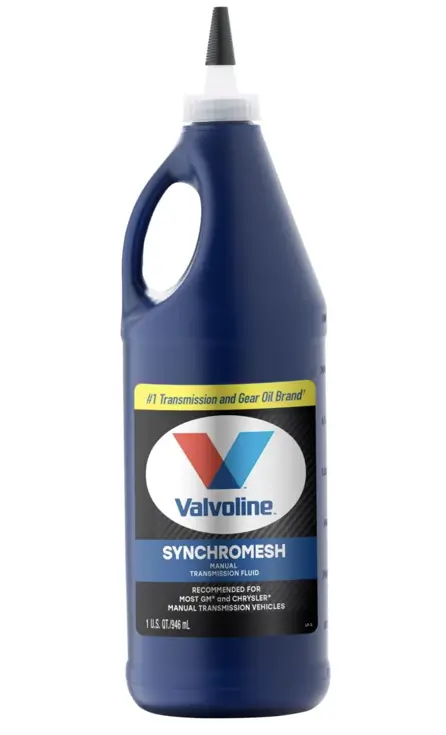
1. Valvoline Synchromesh Manual Transmission Fluid
Features:
- Designed for manual synchromesh transmissions and transaxles
- Provides excellent wear protection under heavy load
- Improves synchronizer performance for smooth shifting
- Performs well in both low and high temperatures
- Comes in an easy-to-pour quart bottle
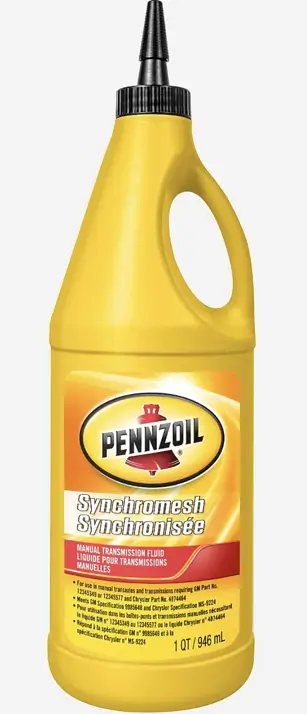
2. Pennzoil Synchromesh Manual Transmission Fluid
Features:
- Formulated for synchromesh manual transmissions
- Helps maintain smooth gear changes and reduce stiction
- Meets multiple OEM specifications for various transmissions
- Provides good low-temperature flow for easier cold-weather shifting
- Manufactured in the United States
Related High Performance Automatic Transmission Fluid(Top 5 Best Picks 2026)
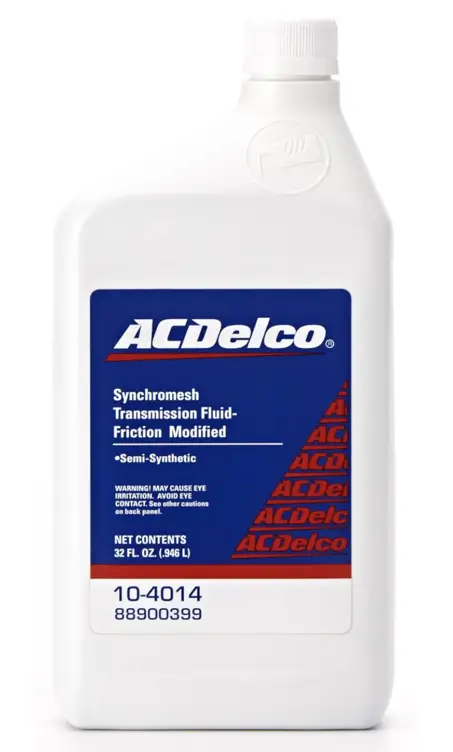
3. ACDelco GM Original Equipment 10-4014 Synchromesh Fluid
Features:
- GM original equipment formula engineered for synchromesh operation
- Contains friction modifiers for optimal synchronizer engagement
- Reduces sludge and varnish buildup for cleaner transmission internals
- Protects against rust and corrosion
- Ideal for vehicles requiring GM part number 10-4014
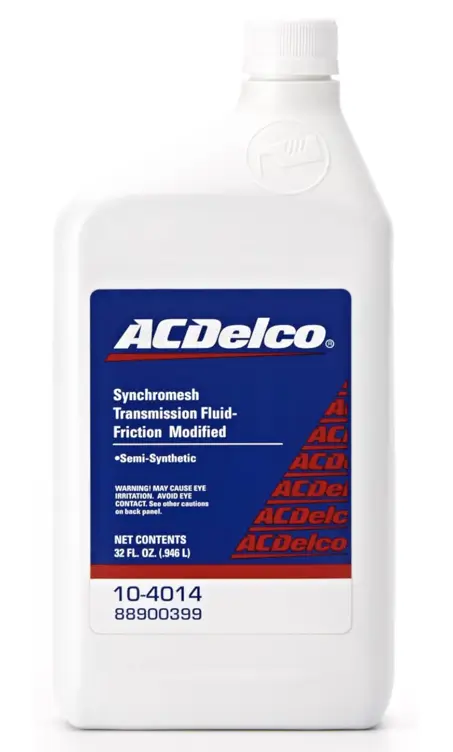
4. ACDelco GM 88900399 Original Synchromesh Fluid
Features:
- OEM-quality synchromesh fluid for GM applications
- Supports clean, smooth gear shifts
- Offers wear and corrosion protection
- Minimizes varnish and deposit buildup inside the gearbox
- Suitable for general-purpose manual transmission use
Related Transmission Fluid Dripping(6 Causes + Solutions)
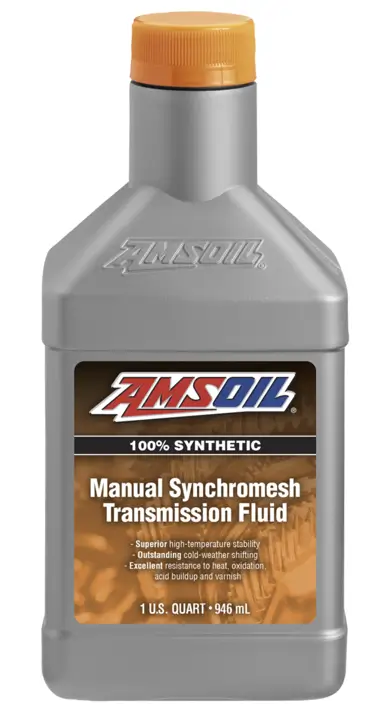
5. AMSOIL Synthetic Synchromesh Manual Transmission Fluid (5W-30)
Features:
- Full synthetic formula for enhanced durability
- Resists oxidation, heat breakdown, and acid buildup
- Improves cold-weather shifting and overall protection
- Compatible with many GM, Chrysler, Honda, and other manual transmissions
- Helps extend transmission life under extreme conditions
How to Choose the Right Synchromesh Fluid
When selecting a synchromesh fluid, consider the following factors:
1. Manufacturer Specifications:
Refer to your vehicle’s manual for the recommended fluid type and specifications. Some transmissions require specific OEM formulas.
2. Viscosity and Temperature Performance:
Choose a fluid with stable viscosity across high and low temperatures to maintain smooth shifting.
3. Synthetic vs. Conventional:
Synthetic fluids provide better long-term protection, oxidation resistance, and thermal stability compared to conventional options.
4. Wear Protection:
Opt for fluids that reduce friction, protect synchronizers, and prevent wear on gears and internal components.
Related Prestone Power Steering Fluid Compatibility Chart
Benefits of Using Synchromesh Fluid
1. Smoother Gear Engagement:
Friction modifiers allow synchronizers to operate efficiently, reducing grinding and hesitation between gear changes.
2. Reduced Wear on Synchronizers:
Protects internal components from friction and metal-to-metal contact, extending transmission life.
3. Better Thermal Stability:
Maintains viscosity under high and low temperatures, ensuring consistent lubrication.
4. Lower Noise and Improved Shift Feel:
Matching the correct fluid to your transmission reduces noise and improves the smoothness of shifts.
Related Electric Engine Oil Pump(Top 5 Best 2026)
What Is Synchromesh Transmission Fluid?
Most modern manual transmissions use synchronizers to match the rotational speed of the selected gear with the input shaft before engagement. This ensures smooth gear changes without the need for double-clutching or rev-matching.
Synchromesh transmission fluid plays a crucial role by:
- Reducing friction between synchronizer rings and gears
- Providing thermal stability in both high and low temperature conditions
- Protecting internal transmission components from wear and corrosion
- Ensuring smooth and precise gear engagement
- Improving shift feel and extending transmission life
Because synchromesh fluid differs from engine oil or standard gear oil, it is essential to use a product labeled specifically for synchromesh or manual transmission use.
Maintenance Tips for Manual Transmissions
- Check fluid level regularly to avoid harsh shifting or transmission damage
- Follow recommended fluid change intervals, usually 30,000–60,000 miles
- Use the correct fluid type, as mixing different formulas may reduce performance
- Inspect for contamination, such as metal shavings or a burnt smell, which may indicate wear
FAQs
Which gear oil is best for manual transmission?
The best gear oil for a manual transmission depends on the vehicle manufacturer’s specifications. Typically, synchromesh-rated fluids or GL-4 manual transmission oils are recommended because they provide proper friction characteristics for synchronizers and reduce gear wear. Always check your owner’s manual for the correct grade and type.
What is synchromesh manual transmission fluid?
Synchromesh manual transmission fluid is a specialized lubricant designed for manual gearboxes that use synchronizers. These fluids contain friction modifiers to allow smooth gear engagement, reduce wear on synchronizer rings, protect against corrosion, and improve shifting performance compared to standard gear oil.
Can you use 75W-90 in manual transmission?
Yes, 75W-90 gear oil can be used in many manual transmissions, but only if the manufacturer allows it. It is typically a high-performance GL-4 or GL-5 rated oil. Using the wrong specification, such as GL-5 in transmissions requiring GL-4, may cause synchronizer wear or harsh shifting. Always follow the vehicle’s recommended specifications.
What is the best fluid for a manual transmission?
The best fluid for a manual transmission is one that matches your vehicle manufacturer’s specifications, including viscosity and friction rating. Common choices include GL-4 manual transmission oils or dedicated synchromesh fluids. Premium synthetic options can provide better wear protection and smoother shifting under extreme conditions.
What happens if I use GL5 instead of GL4?
Using GL-5 gear oil in a transmission designed for GL-4 can damage synchronizers because GL-5 oils contain higher levels of extreme pressure additives that increase friction reduction. This can lead to slipping, rough shifts, or premature wear. Always use GL-4 or the OEM-recommended synchromesh fluid for manual gearboxes.
Final Thoughts
Using the right synchromesh transmission fluid is essential for smooth, reliable manual transmission performance. Whether you choose a conventional option like Valvoline or Pennzoil, a GM OE formula, or a premium synthetic fluid like AMSOIL, selecting the proper fluid ensures smooth shifts and helps extend the life of your transmission.