
Honda designs its transmissions around very specific fluid formulations, and using the wrong fluid can cause shifting problems, noise, vibration, or premature wear.
This guide explains everything you need to know about Honda transmission fluid, including the different types of fluid Honda uses.
Honda Transmission Fluid
1. Honda Genuine ATF DW-1 Automatic Transmission Fluid
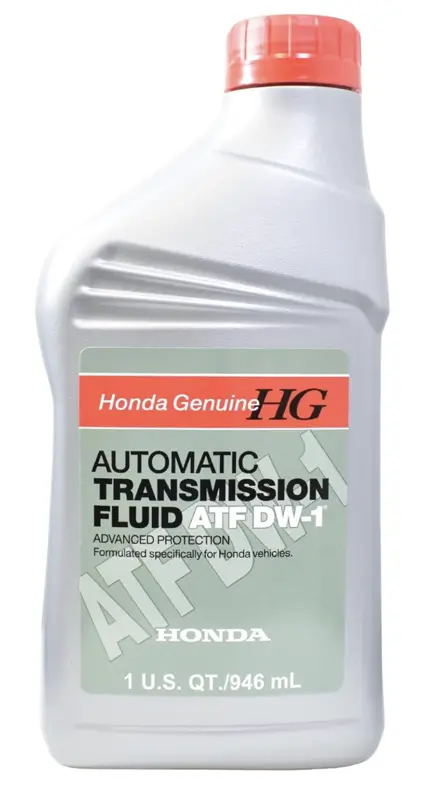
Best for: Honda automatic transmissions requiring ATF DW-1
Features:
- Official Honda factory fluid
- Designed specifically for Honda clutch materials
- Provides smooth, consistent shifting
- Excellent resistance to oxidation and heat breakdown
- Protects seals and internal components
- Backward compatible with older Honda ATF-Z1 systems
This is the safest and most reliable option for Honda automatic transmissions that specify DW-1.
2. Honda Genuine HCF-2 CVT Transmission Fluid
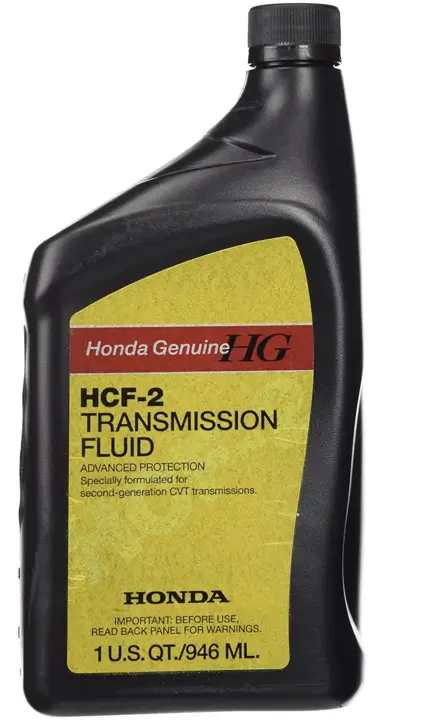
Best for: Honda CVT transmissions
Features:
- Designed exclusively for Honda CVT systems
- Optimized friction characteristics for belt-and-pulley designs
- Helps prevent CVT shudder and vibration
- Improves belt durability and pulley protection
- Maintains stable performance under high heat
- Ensures smooth acceleration and operation
For any Honda with a CVT, this fluid is strongly recommended.
Related Honda Engine Swap Chart(For All Models)
3. Idemitsu CVT Transmission Fluid (Honda HCF-2 Compatible)
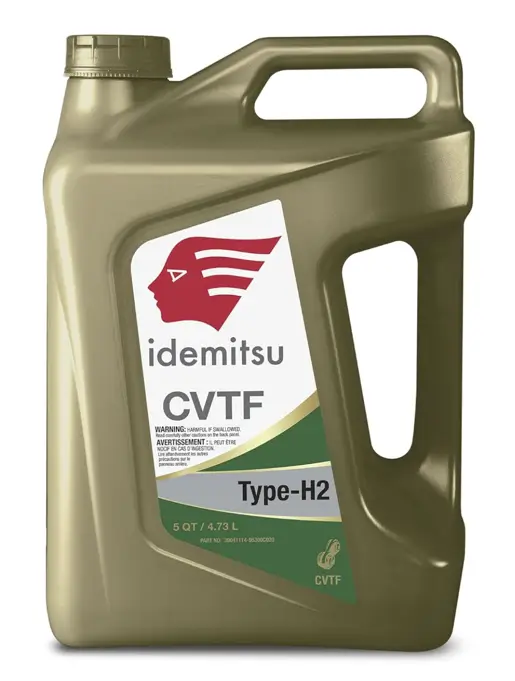
Best for: Cost-effective alternative to OEM Honda CVT fluid
Features:
- Formulated to meet Honda HCF-2 performance requirements
- Provides stable friction for CVT belt operation
- Helps reduce noise and vibration
- Good thermal stability for daily driving
- Suitable for many Honda CVT models when compatibility is confirmed
Idemitsu is a respected supplier and is often chosen by drivers seeking a high-quality aftermarket option.
4. Valvoline Full Synthetic CVT Transmission Fluid (Honda Compatible)
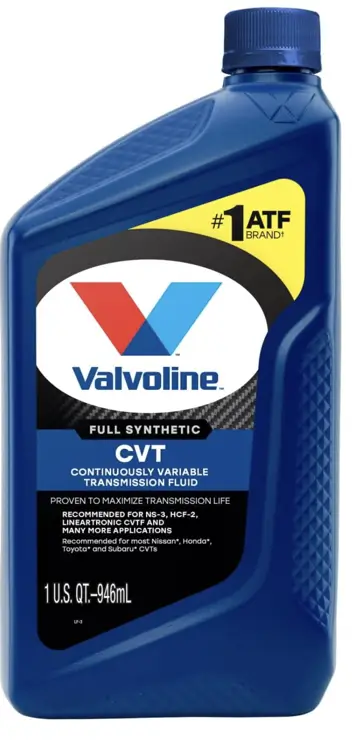
Best for: Multi-vehicle CVT applications, including Honda
Features:
- Full synthetic formulation
- Designed for modern CVT systems
- Helps prevent metal-to-metal wear
- Resists heat and fluid breakdown
- Improves smoothness during acceleration
- Compatible with Honda CVT specifications when listed on the label
Always verify that the bottle explicitly lists Honda CVT compatibility.
Related Transmission Fluid Temperature Chart(Comprehensive Guide)
5. Honda Genuine Manual Transmission Fluid (MTF)
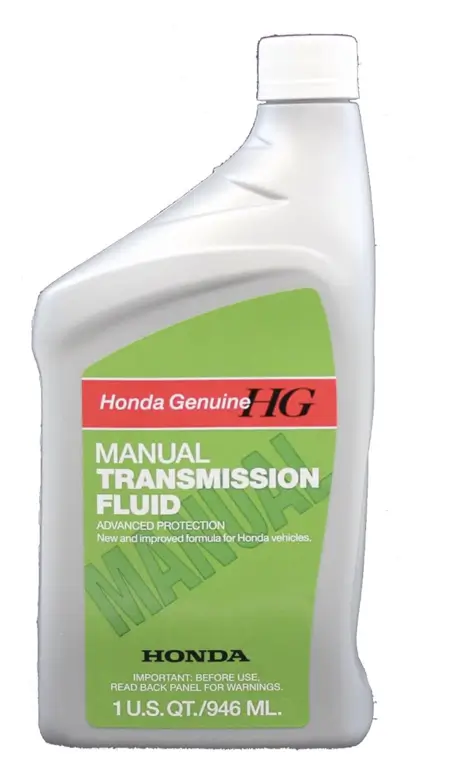
Best for: Honda manual transmissions
Features:
- Designed specifically for Honda manual gearboxes
- Proper friction level for synchronizers
- Helps improve gear engagement and shift feel
- Protects gears and bearings under load
- Reduces gear noise and vibration
- Maintains consistent viscosity over time
This fluid is essential for smooth shifting and a long manual transmission life.
Understanding Honda Transmission Fluid
Transmission fluid plays several important roles in a Honda vehicle:
- Lubricates internal gears and bearings
- Provides hydraulic pressure for shifting
- Controls clutch engagement and friction
- Helps cool the transmission
- Protects seals and internal components from wear
Honda transmissions are especially sensitive to fluid friction characteristics. That is why Honda does not recommend using “generic” fluids unless they clearly meet Honda specifications.
Related Transmission Life Expectancy Chart(For All Types)
Types of Honda Transmission Fluids
Honda uses different fluids depending on the transmission design.
Honda ATF DW-1
This is the most common fluid for Honda automatic transmissions. It replaced the older ATF-Z1 and is backward compatible.
Used in:
- Traditional 5-speed and 6-speed automatics
- Many Honda and Acura models from the mid-2000s onward
Honda HCF-2 (CVT Fluid)
This fluid is specifically designed for Honda CVT (Continuously Variable Transmission) systems.
Used in:
- Civic CVT
- Accord CVT
- HR-V, CR-V, and other Honda CVT models
CVT transmissions must never use regular ATF.
Related Diesel Truck Transmission Fluid(Top 5 Best Picks)
Honda Manual Transmission Fluid (MTF)
Honda manual gearboxes utilize a dedicated manual transmission fluid, distinct from engine oil and automatic transmission fluid.
Used in:
- Civic manual
- Accord manual
- Older Honda manual models
Honda ATF Type 3.0 / 3.1
This is a low-viscosity fluid used in newer Honda 9-speed and 10-speed automatic transmissions.
Why Using the Correct Honda Fluid Matters
Using the wrong transmission fluid in a Honda can lead to:
- Harsh or delayed shifting
- Shuddering during acceleration
- Slipping or overheating
- Increased internal wear
- Reduced transmission lifespan
Honda transmissions are engineered with tight tolerances, and fluid chemistry plays a major role in shift quality and durability.
Related ASRC Transmission Fluid Compatibility Chart(For All Brands)
How Often Should You Change Honda Transmission Fluid?
Honda generally recommends transmission fluid service at:
- Automatic transmissions: Every 30,000–60,000 miles
- CVT transmissions: Every 25,000–40,000 miles
- Manual transmissions: Every 30,000–50,000 miles
Severe driving conditions, such as towing, city traffic, or high temperatures, may require more frequent changes.
Signs Your Honda Needs Transmission Fluid Service
Watch for these warning signs:
- Rough or delayed shifting
- Shuddering during acceleration
- Transmission overheating
- Dark or burnt-smelling fluid
- Unusual noises while driving
Addressing fluid issues early can prevent costly transmission repairs.
FAQs
What kind of transmission fluid does a Honda take?
Honda vehicles use different transmission fluids depending on the transmission type. Most traditional automatic Honda transmissions require Honda ATF DW-1. Honda CVT models use Honda HCF-2 CVT fluid, while manual transmission Hondas require Honda Manual Transmission Fluid (MTF). Newer 9-speed and 10-speed automatic transmissions use Honda ATF Type 3.0 or 3.1. Always check the owner’s manual to confirm the exact fluid specification for your model and year.
Do I need to use Honda transmission fluid?
Yes, Honda strongly recommends using genuine Honda transmission fluid or an aftermarket fluid that explicitly meets Honda specifications. Honda transmissions are designed with specific friction and pressure requirements, and using non-approved fluid can cause harsh shifting, shudder, overheating, or premature transmission wear.
How do I know if my Honda needs transmission fluid?
Common signs that your Honda may need transmission fluid service include rough or delayed shifting, shuddering during acceleration, slipping gears, transmission overheating, or fluid that appears dark or smells burnt. If the vehicle has reached the recommended service interval, a fluid change is also due, even if no symptoms are present.
Can I refill my transmission fluid myself?
Yes, many Honda models allow for a simple drain-and-fill service that can be done at home with basic tools. However, Honda transmissions do not use a traditional dipstick on many models, so the fluid level must be checked through a fill or inspection plug. Always follow the proper service procedure and use the correct fluid type.
What are signs of low ATF in a Honda?
Signs of low automatic transmission fluid include delayed gear engagement, slipping when accelerating, rough or jerky shifts, whining or humming noises, and transmission overheating. In severe cases, the vehicle may hesitate or refuse to move when shifted into gear.
How often should Honda transmission fluid be changed?
Honda generally recommends changing transmission fluid every 30,000 to 60,000 miles for automatic transmissions, 25,000 to 40,000 miles for CVT transmissions, and 30,000 to 50,000 miles for manual transmissions. Vehicles driven in severe conditions, such as heavy traffic, towing, or high temperatures, may require more frequent service.
Final Thoughts
Honda transmissions are precision-engineered systems that depend heavily on using the correct transmission fluid. Whether your Honda uses a conventional automatic, CVT, or manual gearbox, choosing a fluid that meets Honda’s exact specifications is critical for performance, reliability, and longevity.
The five transmission fluids listed above represent the best OEM and compatible options available on Amazon US. Always confirm your vehicle’s required fluid type using the owner’s manual before making a purchase.