

Understanding the 2018 Honda CR-V refrigerant capacity is essential for proper air conditioning performance, preventing compressor damage, and ensuring efficient cooling. Knowing the correct refrigerant specifications can save time and prevent costly mistakes.
2018 Honda CR-V Refrigerant Capacity
| Specification | Details |
|---|---|
| Vehicle Model | 2018 Honda CR-V |
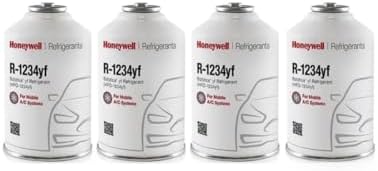
| Refrigerant Type | R-1234yf |
| Refrigerant Capacity | 17.6 oz (500 g) |
| Compressor Oil Type | ND-OIL 12 |
| Recommended Refrigerant | SAE J2842 Certified R-1234yf |
| System Type | Automatic Air Conditioning |
| Environmental Classification | Low Global Warming Potential (GWP) Refrigerant |
The 2018 Honda CR-V uses R-1234yf refrigerant rather than the older R-134a refrigerant found in many previous-generation vehicles. This newer refrigerant is more environmentally friendly and has significantly lower greenhouse gas emissions.
Related Honda CRV AC Pressure Chart(For All Models Years)
Why Refrigerant Capacity Matters
Many vehicle owners assume that adding extra refrigerant will make the air conditioner colder. In reality, both undercharging and overcharging can reduce cooling performance and potentially damage AC components.
Effects of Low Refrigerant
When refrigerant levels fall below specifications, drivers may experience:
- Weak airflow from vents
- Warm air instead of cold air
- Longer cooling times
- Compressor cycling frequently
- Increased fuel consumption
- Compressor overheating
Low refrigerant is usually caused by leaks rather than normal consumption. Automotive AC systems are sealed and should not lose significant refrigerant during normal operation.
Related Honda Civic Refrigerant Capacity Chart(for All Model Years)
Effects of Overcharging
Adding too much refrigerant can create excessive pressure within the AC system. This may lead to:
- Reduced cooling efficiency
- Compressor damage
- Increased operating pressures
- Premature wear of AC components
- Potential system failure
For this reason, technicians should always recharge the system according to the manufacturer’s specified capacity.
Understanding R-1234yf Refrigerant
Honda adopted R-1234yf refrigerant in many newer models, including the 2018 CR-V. This refrigerant was introduced to reduce environmental impact while maintaining similar cooling performance to R-134a.
Advantages of R-1234yf
- Lower global warming potential
- Improved environmental compliance
- Efficient cooling performance
- Meets modern automotive regulations
- Reduced greenhouse gas emissions
Because R-1234yf differs from R-134a, the two refrigerants should never be mixed. Specialized equipment is required for servicing systems that use R-1234yf.
Related Polaris Ranger Refrigerant Capacity(for All Models)
Signs Your 2018 Honda CR-V Needs AC Service
Several warning signs may indicate that the air conditioning system requires inspection or refrigerant service.
Warm Air from Vents
If the AC blows warm or mildly cool air even when set to maximum cooling, refrigerant levels may be low.
Unusual Compressor Noise
Grinding, squealing, or rattling noises can indicate compressor issues or improper refrigerant charge.
AC Cycles On and Off Frequently
Rapid cycling may occur when pressure levels are outside normal operating ranges.
Visible Refrigerant Leaks
Oil stains around AC hoses, fittings, or components often indicate refrigerant leakage.
Reduced Cooling During Hot Weather
If the system struggles to maintain cabin comfort during summer temperatures, refrigerant levels should be checked.
Refrigerant Leak Locations
Several areas of the 2018 Honda CR-V air conditioning system are susceptible to leaks.
Condenser
Located at the front of the vehicle, the condenser is exposed to road debris and can develop leaks over time.
Compressor Seals
Compressor shaft seals may wear and allow refrigerant to escape.
Service Ports
Improperly tightened service caps can permit small refrigerant leaks.
Evaporator Core
Though less common, evaporator leaks can occur and often require dashboard removal for repair.
Hose Connections
O-rings and fittings can deteriorate with age and temperature fluctuations.
How to Recharge the 2018 Honda CR-V AC System
Recharging an automotive AC system involves more than simply adding refrigerant. Proper service procedures help ensure accurate refrigerant levels and system reliability.
Step 1: Recover Existing Refrigerant
Any remaining refrigerant should be recovered using approved recovery equipment.
Step 2: Repair Leaks
Before recharging, identify and repair any leaks in the system.
Step 3: Evacuate the System
A vacuum pump removes air and moisture from the AC system.
Step 4: Add Compressor Oil if Needed
If components were replaced, the correct amount of ND-OIL 12 may need to be added.
Step 5: Recharge to Specification
Recharge with exactly 17.6 ounces (500 grams) of R-1234yf refrigerant.
Step 6: Verify Performance
Check vent temperature, system pressures, and compressor operation.
Common AC Problems in the 2018 Honda CR-V
Maintenance Tips for Longer AC System Life
Routine maintenance helps maximize AC performance and reduce repair costs.
Run the AC Regularly
Operating the air conditioner periodically keeps seals lubricated and helps prevent leaks.
Keep the Condenser Clean
Remove leaves, dirt, and debris from the condenser to improve airflow.
Replace Cabin Air Filters
A clean cabin filter improves airflow and overall cooling efficiency.
Address Leaks Promptly
Even small leaks should be repaired before refrigerant loss becomes severe.
Use the Correct Refrigerant
Always use R-1234yf refrigerant and never substitute R-134a.
Professional vs. DIY Refrigerant Service
While DIY recharge kits are available, servicing R-1234yf systems typically requires specialized equipment.
Benefits of Professional Service
- Accurate refrigerant measurement
- Leak detection equipment
- Proper recovery procedures
- Compliance with environmental regulations
- Reduced risk of overcharging
Professional service often saves money in the long run by preventing costly mistakes.
Final words
The 2018 Honda CR-V refrigerant capacity is 17.6 ounces (500 grams) of R-1234yf refrigerant. Maintaining the correct refrigerant charge is critical for optimal cooling performance, fuel efficiency, and AC system longevity. Whether you are performing routine maintenance or repairing an air conditioning issue, always use the specified refrigerant and follow proper service procedures.
By understanding the refrigerant requirements, recognizing signs of low refrigerant, and addressing leaks promptly, CR-V owners can keep their air conditioning systems operating efficiently for many years. Regular inspections and proper maintenance ensure reliable cabin comfort during every season.