
A small engine fuel filter is a simple yet critical component used in equipment like lawn mowers, generators, chainsaws, and pressure washers.
In this guide, you’ll learn what a fuel filter does, how it works, when to replace it, and the five best small engine fuel filters to consider.
Small Engine Fuel Filter
1. Briggs & Stratton 5018K Fuel Filter
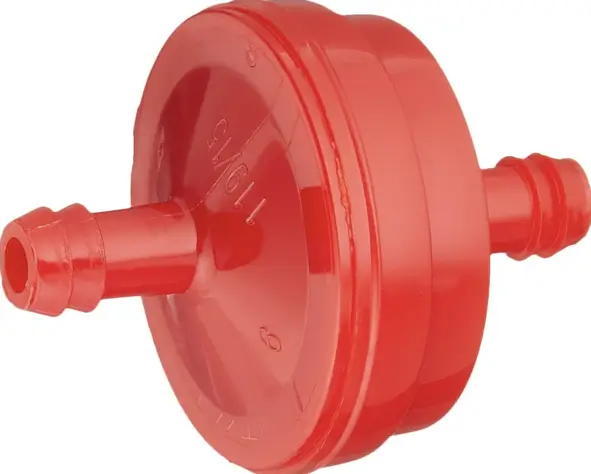
Best for: OEM reliability
Features:
- 150-micron filtration rating
- Designed for 7–15 HP engines
- OEM-quality construction
- Ideal for lawn tractors and small engines
- Helps maintain consistent fuel flow
2. Briggs & Stratton 84001895 Fuel Filter
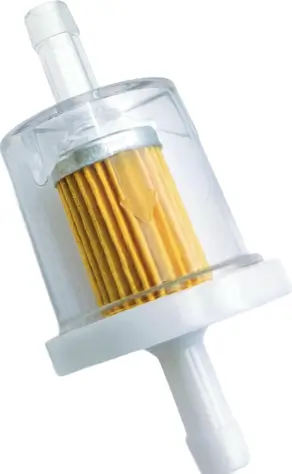
Best for: Fuel pump systems
Features:
- 40-micron filtration for finer particles
- Transparent body for easy inspection
- Designed for engines with fuel pumps
- Durable and reliable performance
- Improves fuel system cleanliness
3. Briggs & Stratton 845125 Fuel Filter
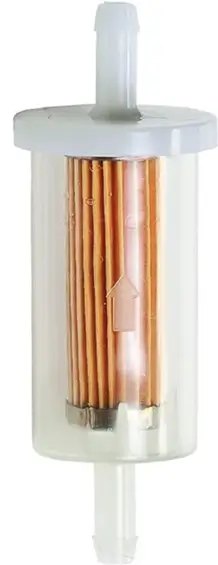
Best for: Long-lasting performance
Features:
- 30-micron fine filtration
- Extended service life
- Fits standard 1/4-inch fuel lines
- Compact and durable design
- Helps reduce starting and running issues
Related Best Fuel System Cleaner for Small Engines(Top 5 Picks 2026)
4. Briggs & Stratton 808116S Fuel Filter
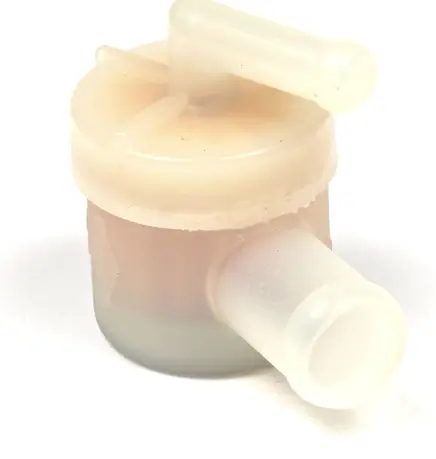
Best for: High-performance engines
Features:
- Designed for larger V-Twin engines
- Provides consistent fuel delivery
- Strong and durable construction
- Suitable for demanding applications
- Supports long engine life
5. Briggs & Stratton 821026 Fuel Filter
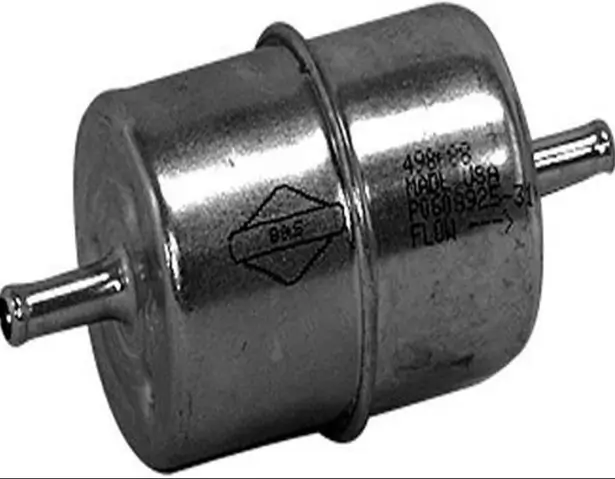
Best for: General-purpose use
Features:
- Compact inline design
- Easy to install and replace
- Protects the carburetor from debris
- Made from fuel-resistant materials
- Compatible with many small engines
Related OEM Volvo Penta Marine Engine Fuel Filter(3 Best Picks 2026)
What Is a Small Engine Fuel Filter?
A small engine fuel filter is designed to remove dirt, debris, and contaminants from fuel before it reaches the carburetor. Clean fuel is crucial for efficient combustion and optimal engine performance.
Without a filter, particles can clog the carburetor, reduce efficiency, and lead to costly repairs.
How a Fuel Filter Works
Fuel travels from the tank through the filter before reaching the carburetor. Inside the filter, a fine mesh or paper element traps impurities while allowing clean fuel to pass through.
Common types of fuel filters:
- Inline fuel filters – Installed along the fuel line
- In-tank filters – Located inside the fuel tank
- Paper filters – Provide fine filtration for small particles
- Mesh filters – Used in basic or older engines
Most inline filters have an arrow indicating the correct direction of fuel flow, which is important during installation.
Related Small Engine Oil Filter Cross Reference(For All Brands + Models)
Where Is the Fuel Filter Located?
Fuel filters are typically found in one of two locations:
- Inside the fuel tank
- Along the fuel line between the tank and carburetor
If your engine uses a fuel pump, it typically has an inline filter installed in the fuel line.
Signs of a Bad Fuel Filter
A clogged or failing fuel filter can cause noticeable engine problems. Common signs include:
- Engine sputtering or stalling
- Difficulty starting
- Reduced engine power
- Poor fuel efficiency
- Engine running inconsistently
Ignoring these signs can lead to restricted fuel flow and potential engine damage.
Related Best Motor Oil for Small Engines(Top 5 Best 2026)
When Should You Replace a Fuel Filter?
It’s recommended to replace your small engine fuel filter:
- Every 100 hours of use or once per season
- When performance issues appear
- After using contaminated or old fuel
Regular replacement is inexpensive and helps prevent more serious engine issues.
How to Replace a Small Engine Fuel Filter
Replacing a fuel filter is simple and usually takes just a few minutes.
Steps:
- Turn off the engine and disconnect the spark plug
- Shut off the fuel supply or clamp the fuel line
- Remove the old filter
- Install the new filter (follow the flow direction arrow)
- Reconnect everything and check for leaks
Always work in a well-ventilated area and follow basic safety precautions.
Related Small Engine Air Filter Cross Reference(for All Brands + Models)
Tips for Choosing the Right Fuel Filter
When selecting a fuel filter, consider the following:
- Engine compatibility – Check your engine manual
- Micron rating – Lower numbers filter finer particles
- Fuel system type – Gravity-fed or pump system
- Fuel line size – Ensure proper fit
- Quality – OEM or high-quality aftermarket options
Choosing the right filter ensures optimal fuel flow and engine performance.
Maintenance Tips
To keep your fuel system in good condition:
- Use clean, fresh fuel
- Store fuel properly in sealed containers
- Keep the fuel tank area clean
- Replace damaged fuel lines
- Avoid running the tank completely empty
Final words
A small engine fuel filter is a low-cost but essential component that protects your engine from harmful contaminants. It ensures clean fuel delivery, improves performance, and extends engine life.
By choosing a high-quality filter and replacing it regularly, you can keep your equipment running smoothly and avoid unnecessary repairs.