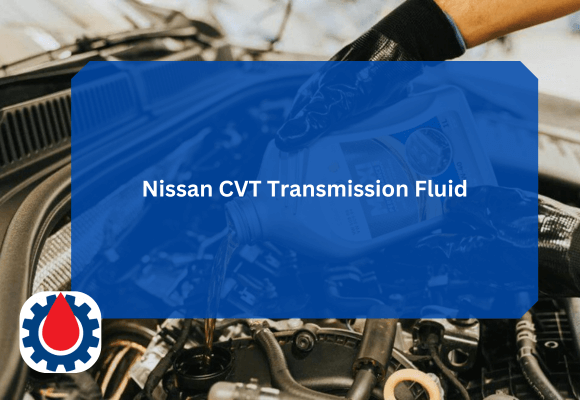

Nissan has widely adopted Continuously Variable Transmission (CVT) technology across its vehicle lineup to improve fuel efficiency and deliver smoother driving performance.
This guide explains what Nissan CVT transmission fluid is, why the correct type matters, and highlights five of the best CVT fluids compatible with Nissan vehicles available.
Nissan CVT Transmission Fluid
1. Nissan Genuine OEM CVT-3 Transmission Fluid (NS-3)
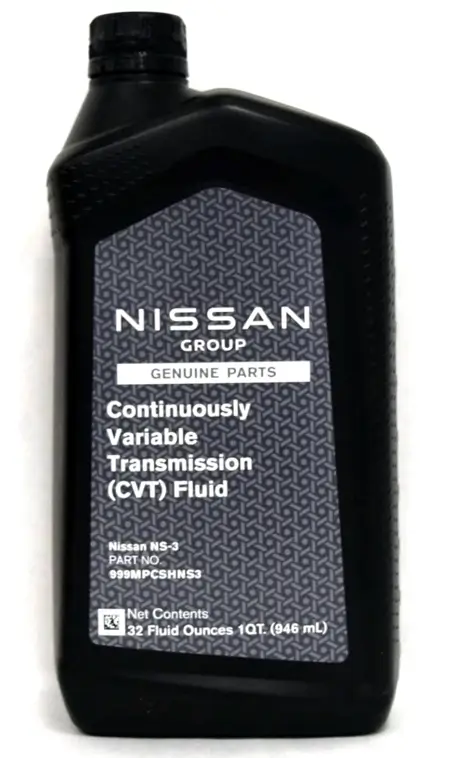
This is Nissan’s factory-approved fluid for newer CVT-equipped vehicles.
Key Features:
- OEM fluid designed specifically for Nissan CVTs requiring NS-3
- Exact friction characteristics for belt and pulley systems
- Excellent heat resistance and viscosity stability
- Helps reduce wear and extend transmission life
- Ensures factory-level shift quality and performance
Best suited for newer Nissan and Infiniti vehicles that specify NS-3 fluid.
2. Nissan Genuine OEM CVT-2 Transmission Fluid (NS-2)
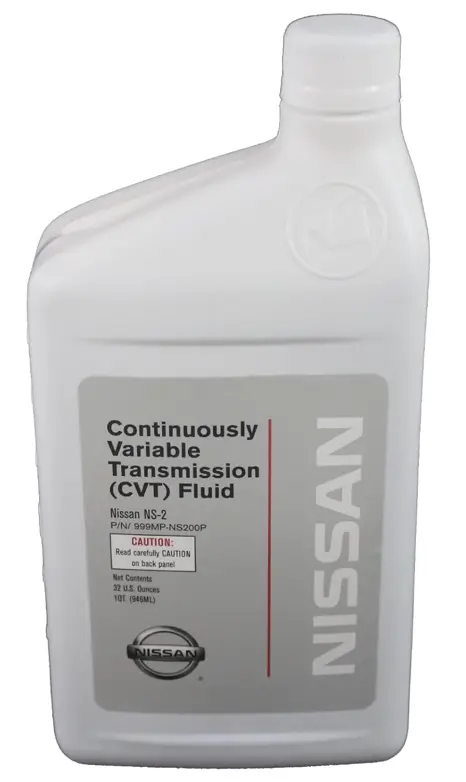
This fluid is designed for earlier Nissan CVT models.
Key Features:
- Factory-specified fluid for NS-2 CVT systems
- Provides smooth and consistent transmission response
- Protects against internal wear and oxidation
- Maintains stable hydraulic pressure
- Ideal for older Nissan and Infiniti CVT applications
Recommended for vehicles that explicitly require NS-2 fluid.
Related Nissan Frontier Transmission Fluid Capacity(For ALL Models Years)
3. Idemitsu CVT Type N (NS-2 Compatible)
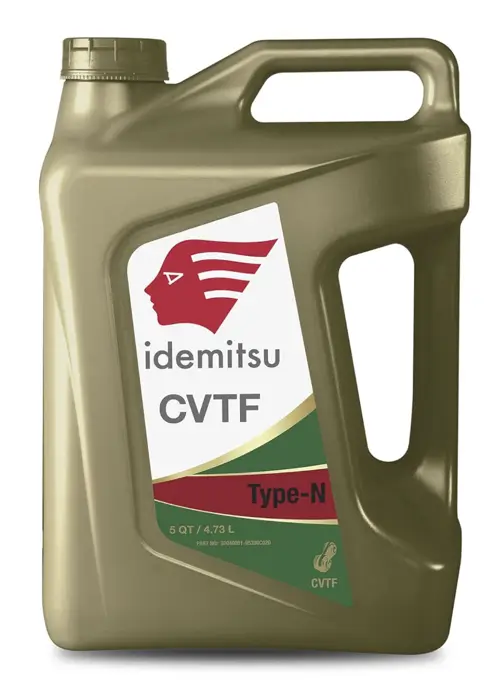
Idemitsu is a well-known manufacturer closely associated with OEM Japanese fluids.
Key Features:
- Formulated to match Nissan NS-2 specifications
- Strong anti-shudder performance
- Excellent deposit and sludge control
- Protects against corrosion and internal wear
- Delivers stable performance under varying temperatures
A premium aftermarket alternative to Nissan OEM NS-2 fluid.
4. Valvoline CVT Full Synthetic Transmission Fluid

A popular synthetic aftermarket option suitable for many CVT applications.
Key Features:
- Full synthetic formulation for improved thermal stability
- Advanced additives to reduce shudder and vibration
- Strong protection against wear and oxidation
- Compatible with many Nissan CVT systems when specifications allow
- Cost-effective option for routine maintenance
Best used when confirmed compatible with your specific Nissan CVT requirements.
Related Nissan Murano Transmission Fluid Capacity(For All Models + Types)
5. TRIAX CVT ATF OEM Grade Transmission Fluid
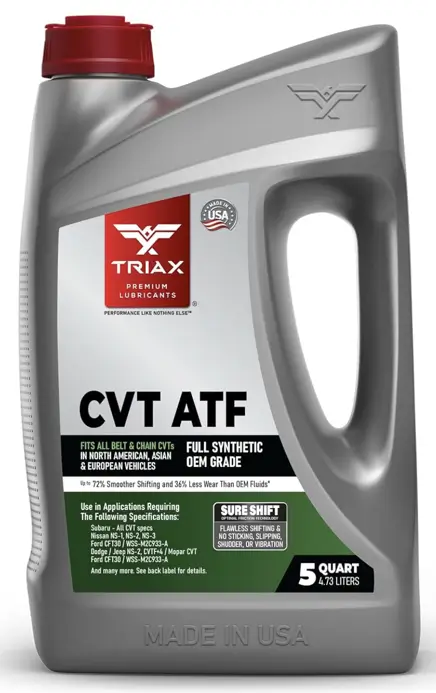
A versatile CVT fluid designed to meet multiple OEM standards.
Key Features:
- Compatible with many CVT transmission designs
- Helps prevent belt slip, noise, and overheating
- Good resistance to thermal breakdown
- Suitable for both chain- and belt-driven CVTs
- Practical option for multi-vehicle maintenance
Always verify compatibility before use, especially in newer Nissan CVTs.
CVT Fluid Change Tips for Nissan Vehicles
To maximize CVT reliability and lifespan, follow these best practices:
- Always use the fluid specification listed in your owner’s manual
- Never mix NS-2 and NS-3 unless explicitly approved
- Perform fluid changes at recommended service intervals
- Monitor fluid condition for discoloration or burnt odor
- Avoid aggressive driving when the fluid is degraded or overdue
Regular maintenance can significantly reduce the risk of CVT failure.
Related CVT Transmission vs Automatic(6 Key Differences Explained)
What Is Nissan CVT Transmission Fluid?
CVT transmission fluid is a specialized lubricant designed for belt-and-pulley transmission systems. Unlike conventional automatic transmissions that rely on fixed gears, a CVT operates using a continuously adjustable pulley system. This design requires fluid with precise friction properties, high thermal stability, and strong wear protection.
Nissan CVT fluid performs several critical functions:
- Lubricates internal components such as pulleys, belts, and bearings
- Maintains correct hydraulic pressure
- Prevents belt slippage and vibration
- Controls operating temperature
- Protects against oxidation and internal wear
Standard automatic transmission fluid is not compatible with CVTs and should never be used as a substitute.
Nissan CVT Fluid Specifications Explained
Nissan uses specific CVT fluid standards depending on vehicle model and year. The most common include:
- NS-2: Found in many older Nissan and Infiniti models
- NS-3: Used in newer Nissan CVTs and backward-compatible only when specified
Related Transmission Temp Gauge(Top 5 BEST Picks 2026)
Why Choosing the Correct CVT Fluid Is Critical
Nissan CVTs are particularly sensitive to fluid formulation. The correct fluid ensures:
- Smooth acceleration and consistent power delivery
- Proper belt traction without slipping
- Reduced heat buildup during high-load driving
- Longer service life of internal components
- Lower risk of expensive transmission repairs
Incorrect or low-quality fluid may lead to shuddering, whining noises, delayed response, or complete transmission failure.
FAQs
What type of CVT fluid does Nissan use?
Nissan uses proprietary CVT transmission fluids designed specifically for its continuously variable transmissions. The most common types are Nissan NS-2 and Nissan NS-3 CVT fluid. Older Nissan and Infiniti models typically require NS-2, while newer models use NS-3. These fluids are engineered with precise friction and viscosity characteristics to protect the CVT belt, pulleys, and hydraulic system.
How often should Nissan CVT transmission fluid be changed?
Nissan generally recommends changing CVT transmission fluid every 30,000 to 60,000 miles, depending on driving conditions. Vehicles used for towing, frequent stop-and-go driving, high temperatures, or mountainous terrain may require more frequent fluid changes. Regular fluid service helps prevent overheating, shuddering, and premature CVT wear.
How do I know if my CVT fluid is low?
Signs of low CVT fluid include delayed acceleration, shuddering, unusual whining noises, and poor response when shifting from park to drive. Some Nissan models do not have a traditional dipstick, so the fluid level must be checked through a service port at a specific temperature. A warning light or overheating message may also appear if fluid levels drop too low.
What are signs of CVT failure?
Common signs of CVT failure in Nissan vehicles include jerking or shuddering during acceleration, slipping or loss of power, high engine RPM with little vehicle movement, whining or grinding noises, and overheating warnings. In severe cases, the vehicle may enter limp mode or fail to move at all. Early detection and fluid maintenance can help prevent complete transmission failure.
Can I use ATF instead of CVT fluid?
No, automatic transmission fluid (ATF) should never be used in a CVT. ATF lacks the friction properties required for CVT belt-and-pulley systems. Using ATF can cause belt slippage, overheating, internal damage, and rapid transmission failure. Always use CVT-specific fluid that meets Nissan specifications.
What is the difference between NS-2 and NS-3 CVT fluid?
The main difference between NS-2 and NS-3 CVT fluid is their formulation and application. NS-2 is designed for older Nissan CVTs, while NS-3 is formulated for newer CVT designs with improved friction control and heat resistance. NS-3 is not always backward compatible with NS-2 systems unless explicitly stated by Nissan. Using the wrong fluid can lead to performance issues or transmission damage.
Final Thoughts
Nissan CVT transmissions depend heavily on the correct fluid type to operate properly. Whether you choose Nissan’s OEM NS-2 or NS-3 fluid or a high-quality aftermarket alternative, compatibility is critical. Using the right CVT fluid ensures smoother driving, better durability, and fewer long-term transmission problems.
If you are unsure which fluid your Nissan requires, always consult the owner’s manual or a qualified technician before servicing the transmission.