
Many Honda owners mistakenly use ATF or generic fluids, but this can lead to whining pumps, stiff steering, or long-term wear. That’s why choosing a proper Honda-compatible power steering fluid equivalent is important.
Below, we’ll break down the best alternatives and then list the 5 best Honda power steering fluid equivalents available.
Honda Power Steering Fluid Equivalent
1. Lubegard Complete Synthetic Power Steering Fluid
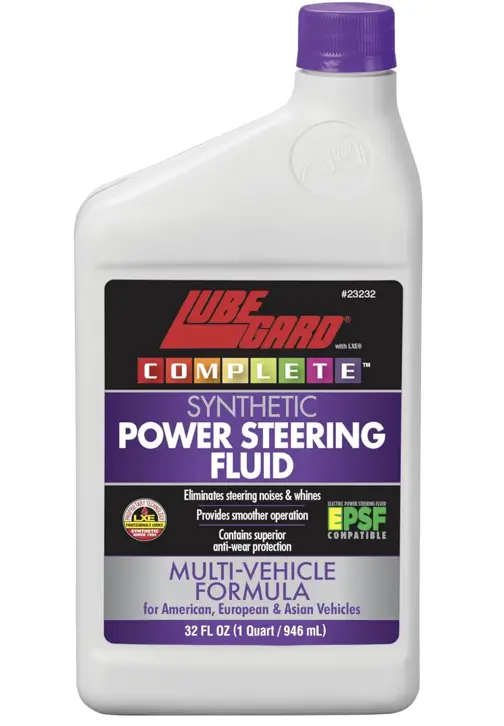
One of the most trusted Honda-compatible aftermarket fluids
Features:
- Fully synthetic formula designed for Asian vehicles
- Compatible with Honda and Acura hydraulic systems
- Reduces pump noise and steering vibration
- Protects seals and prevents leaks
- Excellent high-temperature stability
- Helps extend power steering pump life
2. Prestone Power Steering Fluid for Asian Vehicles
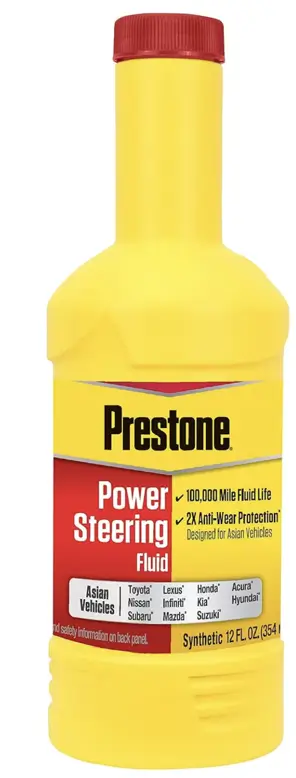
A widely available and affordable Honda-compatible option
Features:
- Formulated for Honda, Acura, Toyota, and other Asian vehicles
- Helps prevent wear in high-mileage systems
- Anti-foaming agents improve steering smoothness
- Works in both hot and cold climates
- Compatible with older hydraulic systems
Related Nissan Power Steering Fluid Equivalent(5 Best Options 2026)
3. Idemitsu Power Steering Fluid (Asian Vehicle Formula)
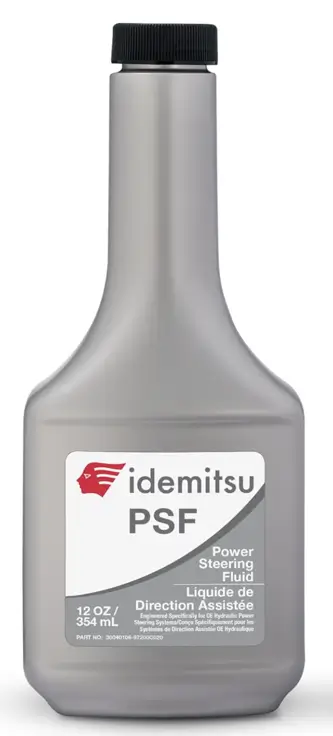
OEM-level quality used in many Japanese vehicles
Features:
- Designed specifically for Japanese hydraulic systems
- Excellent seal conditioning properties
- Reduces steering noise and stiffness
- OEM supplier-level formulation
- Stable performance under heavy driving conditions
4. Johnsen’s Honda/Acura Power Steering Fluid
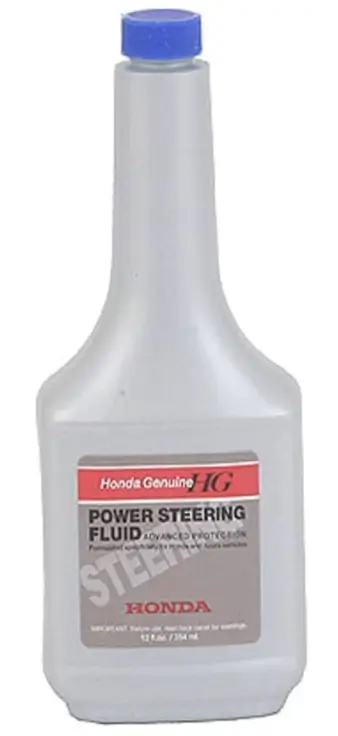
Simple and effective direct Honda replacement
Features:
- Specifically labeled for Honda and Acura compatibility
- Helps maintain smooth steering response
- Reduces pump wear and cavitation
- Prevents fluid breakdown over time
- Ideal for routine maintenance top-ups
Related GM Power Steering Fluid Equivalent(Top 5 Best Options 2026)
5. Triax Asian Vehicle Power Steering Fluid
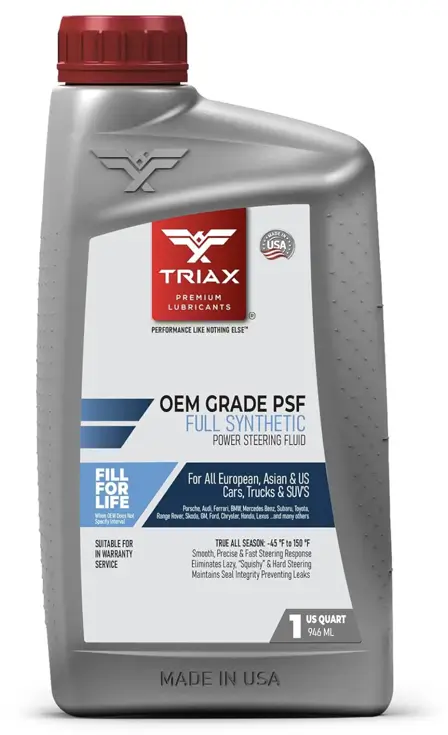
Premium synthetic blend for long-term protection
Features:
- Fully synthetic high-performance formulation
- Compatible with Honda, Lexus, Toyota, and Acura
- Protects seals and internal pump components
- Reduces oxidation and fluid degradation
- Quiet steering operation with reduced whine
What Makes a Good Honda Power Steering Fluid Equivalent?
A proper replacement must:
- Be specifically labeled “Honda/Acura compatible”
- Have anti-foam and anti-wear additives suited for Honda pumps
- Protect seals used in Honda steering racks
- Maintain stable viscosity across temperature changes
- Be safe for both older and newer Honda hydraulic systems
Avoid generic ATF or universal fluids unless they explicitly state Honda compatibility.
Related Honda Recommended Oil(Choose the Right Oil)
Honda Power Steering Fluid vs ATF (Important Note)
Some older Honda models originally used ATF-type fluids, but modern Honda hydraulic systems are engineered specifically for Honda PSF chemistry.
Using ATF instead of Honda-compatible fluid can:
- Cause pump whine
- Lead to seal damage
- Reduce steering response quality
- Increase long-term repair costs
Always confirm your vehicle’s requirements before topping up.
Related Honda Dual Pump Fluid II Equivalent(5 Best Options 2026)
Honda Power Steering Fluid Types & Compatibility Explained
Honda uses a very specific hydraulic fluid formulation that is different from conventional ATF and generic power steering fluids. Understanding the difference helps prevent costly steering system damage.
Honda Genuine Power Steering Fluid (HPSF)
- Original OEM fluid designed for Honda hydraulic systems
- Typically amber or light golden in color
- Optimized for Honda pump pressure and rack seals
- Provides smooth steering feel with minimal noise
Honda ATF (Older Models)
Some older Honda models (mainly pre-2007) were designed to use:
- ATF-Z1 (discontinued)
- DW-1 (modern replacement for transmission use, NOT ideal for steering unless specified)
Important: Even though Honda ATF and PSF look similar, they are chemically different. Always follow your owner’s manual.
Related Honda Engine Oil Filter(Top 5 Best Picks 2026)
Common Honda Models Using Power Steering Fluid
Honda hydraulic power steering systems are commonly found in:
- Honda Civic (older hydraulic models up to ~2011)
- Honda Accord (older generations up to ~2012)
- Honda CR-V (older models)
- Honda Fit/Jazz (select early models)
- Honda Odyssey (hydraulic systems in older trims)
- Acura TL, MDX (older hydraulic steering versions)
Newer Honda models are increasingly using electric power steering (EPS), which does NOT require fluid at all.
How to Check Honda Power Steering Fluid Level
To avoid steering pump damage, regular checking is important:
- Park on level ground
- Turn off the engine
- Locate the power steering reservoir (usually labeled)
- Check dipstick or MIN/MAX markings
- Fluid should be within range and light in color
Dark, burnt-smelling fluid indicates contamination or overheating.
DIY Power Steering Fluid Flush (Simple Guide)
Flushing old fluid improves steering response and protects the pump.
Basic Steps:
- Jack up front wheels safely
- Remove return line from reservoir
- Drain old fluid into a container
- Turn steering wheel left and right (engine off) to push fluid out
- Reconnect hose
- Refill with Honda-compatible fluid
- Start engine and bleed air by turning the steering slowly
Repeat refill and bleed process until fluid runs clean.
Common Mistakes to Avoid
Many Honda steering issues come from incorrect fluid use or poor maintenance:
- Using universal ATF without Honda approval
- Overfilling reservoir
- Mixing different fluid types
- Ignoring pump whining noise
- Driving long-term with dirty fluid
These mistakes can lead to:
- Pump failure
- Steering rack damage
- Seal leaks
- Expensive repairs
Symptoms of Wrong or Degraded Fluid
If incorrect or old fluid is used, you may notice:
- Steering becomes stiff at low speeds
- Loud whining or groaning noise
- Jerky steering response
- Fluid foaming in reservoir
- Fluid turning dark brown or black
Early detection prevents major steering system failure.
Signs You Need to Change Honda Power Steering Fluid
- Steering feels heavy or stiff
- Pump whining noise when turning
- Dark or dirty fluid in the reservoir
- Foamy or aerated fluid
- Leaks around steering rack or pump
When to Replace Power Steering Fluid
- Every 50,000–100,000 km (depending on driving conditions)
- Earlier if you notice noise or stiffness
- During steering system repairs or pump replacement
Final Thoughts
Choosing the right Honda power steering fluid equivalent is not just about topping up fluid, it’s about protecting your steering system. While Honda Genuine PSF remains the safest option, high-quality alternatives like Lubegard, Idemitsu, and Prestone Asian Vehicle fluids deliver excellent performance when properly labeled for Honda compatibility.
If you stick with fluids designed specifically for Honda systems, you’ll maintain smooth steering, reduce pump wear, and extend the life of your vehicle’s hydraulic components.