
BMW engines operate at higher temperatures than many conventional engines, making high-quality full synthetic oil a necessity rather than an option. Choosing the right oil helps reduce wear, improve cold starts, keep the engine clean, and protect turbochargers from premature damage.
BMW X3 Engine Oil
1. Mobil 1 ESP X2 0W-20 Full Synthetic Motor Oil

- Formulated for passenger car diesels
- Low ash, sulfur, and phosphorous content
- Excellent for quick cold-weather starting and ultra-fast protection
Mobil 1 ESP X2 is one of the best oils for newer BMW X3 models that require 0W-20 viscosity. It is engineered for modern turbocharged gasoline engines while helping maintain emissions systems.
Best For: Most 2019–present BMW X3 xDrive30i and sDrive30i models equipped with the 2.0L turbocharged B46/B48 engine that specify SAE 0W-20 and BMW Longlife-17 FE+ or equivalent approval.Features
- Full synthetic formula
- Excellent cold-weather protection
- Outstanding oxidation resistance
- Helps prevent sludge formation
- Protects turbochargers
- Supports long oil drain intervals
- Low ash formulation
- Meets numerous European manufacturer requirements
Pros
- Excellent wear protection
- Smooth engine operation
- Great fuel economy
- Premium quality
Cons
- Slightly more expensive than conventional synthetic oils
Related BMW TwinPower Turbo Engine Oil(3 Best Picks 2026)
2. Castrol EDGE Euro 5W-30 Advanced Full Synthetic Motor Oil
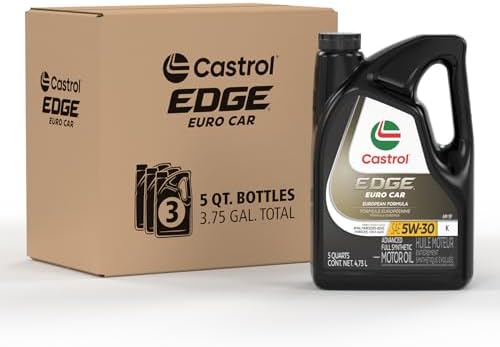
- 3X Better wear protection to reduce friction and optimize performance* 1.9X Better engine cleanliness to help maximize e…
- Approved and licensed specifications: ACEA C3 API SP BMW Longlife-04 MB-Approval 229.31/ 229.51/ 229.52 VW 504 00 / 507 …
- Suitable for use in the following specifications: VW 505 00 / 505 01
Castrol EDGE Euro is specifically designed for European luxury vehicles, including BMW, Mercedes-Benz, Audi, and Volkswagen.
Its Fluid Titanium Technology strengthens the oil film under pressure, making it an excellent choice for aggressive driving and hot operating conditions.
Best For: Many 2004–2018 BMW X3 models, including the 2.5i, 3.0i, xDrive28i, xDrive30i, xDrive35i, and xDrive35d, that require SAE 5W-30 and BMW Longlife-01 or Longlife-04 approval.Features
- European vehicle formulation
- Full synthetic oil
- Fluid Titanium Technology
- Excellent high-temperature stability
- Superior engine cleanliness
- Outstanding wear protection
- Suitable for turbocharged engines
- High resistance to oil breakdown
Pros
- Ideal for European engines
- Excellent high-load protection
- Keeps engines exceptionally clean
Cons
- Not suitable for every BMW viscosity requirement
Related BMW Refrigerant Capacity(for All Models)
3. Liqui Moly Leichtlauf High Tech 5W-40

- Rapid oil delivery at low temperatures, high lubrication reliability at high and low temperatures
- Long engine service life due to high level of protection against wear, mixable and compatible with commercially-availabl…
- Outstanding engine cleanliness, tested with catalytic converters and performance proved with turbochargers
Liqui Moly has earned a strong reputation among BMW enthusiasts for producing premium German-made lubricants.
Leichtlauf High Tech offers exceptional protection under heavy loads and high temperatures while keeping internal engine components remarkably clean.
Best For: Older and higher-mileage 2004–2017 BMW X3 models with gasoline engines, including the 2.5i, 3.0i, xDrive28i, and xDrive35i, where 5W-40 is approved or suitable for the operating conditions.Features
- German-engineered formula
- Full synthetic technology
- Excellent lubrication during cold starts
- High shear stability
- Reduces engine wear
- Excellent detergent package
- Long service life
- Suitable for turbocharged engines
Pros
- Trusted by BMW owners
- Outstanding engine cleanliness
- Excellent protection for older X3 models
Cons
- Higher viscosity may not suit newer engines
Related Best Engine Oil for BMW 535i(Top 3 Picks 2026)
4. Pennzoil Platinum Euro LX 0W-30 Full Synthetic Motor Oil
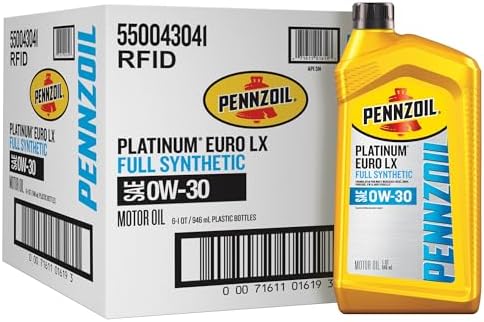
- Full synthetic 0W-30 motor oil that is made with natural gas and designed to maximize engine protection
- Formulated for high-performance diesel and gasoline engines in European vehicles, including Fiat, BMW, Mercedes-Benz, Po…
- Helps extend engine life and protects for up to 15 years or 500,000 miles, whichever comes first, guaranteed*
Pennzoil Platinum Euro LX uses natural gas-based synthetic technology that delivers excellent purity and engine protection.
It works particularly well for European vehicles requiring premium low-viscosity oils.
Best For: Select 2018–present BMW X3 models, including certain xDrive30i and diesel variants, where 0W-30 meeting the required BMW specification is approvedFeatures
- Made from natural gas
- Full synthetic formula
- Excellent piston cleanliness
- Outstanding cold-start performance
- Low oil consumption
- Excellent oxidation resistance
- Helps improve fuel economy
- Protects turbochargers
Pros
- Very clean-running oil
- Excellent value
- Strong wear protection
Cons
- Availability may vary
Related BMW Service Engine Soon Light(7 Causes + Solutions)
5. Valvoline European Vehicle Full Synthetic XL-III 5W-30

- Advanced protection for European gasoline and diesel engines against the four main causes of engine breakdown: wear, fri…
- Contains low-SAPS (Sulfated Ash, Phosphorus, and Sulfur) for compatibility with the emissions system
- Exceptional high/low temperature protection to defend your engine in extreme driving conditions and climates
Valvoline’s European Vehicle oil is specifically formulated to meet demanding European manufacturer requirements.
It offers reliable protection against deposits, sludge, and wear while maintaining engine efficiency.
Best For: Many 2007–2018 BMW X3 gasoline and diesel models, including the xDrive28i, xDrive30i, xDrive35i, and xDrive35d, that require 5W-30 meeting the appropriate BMW Longlife specification.Features
- Designed for European vehicles
- Full synthetic formula
- Excellent oxidation resistance
- Superior sludge protection
- Enhanced wear protection
- High-temperature stability
- Turbocharger protection
- Excellent engine cleanliness
Pros
- Affordable premium oil
- Excellent all-around protection
- Trusted brand
Cons
- Not suitable for every BMW oil specification
Related BMW Leaking Coolant but Not Overheating(5 Causes + Solutions)
Why Choosing the Right Oil Matters
Modern BMW X3 engines feature:
- Turbochargers
- Direct fuel injection
- Variable valve timing (VANOS)
- Tight engine tolerances
- Extended oil change intervals
These technologies place significant demands on engine oil. Using low-quality or incorrect oil may lead to:
- Increased engine wear
- Turbocharger damage
- Oil sludge buildup
- Reduced fuel economy
- Engine warning lights
- Premature engine failure
BMW recommends using full synthetic oils that meet its Longlife specifications.
Recommended Oil Specifications
Always verify your owner’s manual, but most modern BMW X3 models require:
- SAE 0W-20
- SAE 5W-30
- SAE 0W-30
Look for approvals such as:
- BMW Longlife-01 (LL-01)
- BMW Longlife-04 (LL-04)
- BMW Longlife-17 FE+
- API SP
- ACEA C3
- ACEA A3/B4
Older naturally aspirated models often use 5W-30, while newer turbocharged models commonly specify 0W-20.
How Often Should You Change BMW X3 Engine Oil?
BMW often recommends oil changes between 7,500 and 10,000 miles, depending on the model, engine, and driving conditions.
However, many BMW technicians recommend changing the oil every:
- 5,000–7,500 miles for normal driving
- 5,000 miles for city driving
- 4,000–5,000 miles for frequent towing
- 5,000 miles for extreme temperatures
More frequent oil changes help extend turbocharger and engine life.
Signs Your BMW X3 Needs an Oil Change
Watch for these warning signs:
- Oil service reminder
- Engine running louder than usual
- Rough idle
- Dark, dirty oil
- Burning oil smell
- Reduced fuel economy
- Low oil level warning
- Increased engine vibration
Ignoring these symptoms can lead to expensive repairs.
Tips for Extending Engine Life
To maximize the lifespan of your BMW X3 engine:
- Always use the recommended oil viscosity.
- Replace the oil filter with every oil change.
- Check oil levels monthly.
- Avoid mixing different oil grades.
- Warm the engine gently before hard acceleration.
- Use premium-quality fuel.
- Follow BMW’s maintenance schedule.
These simple habits can significantly improve engine durability.
Frequently Asked Questions
What oil is best for a BMW X3?
Premium full synthetic oils such as Mobil 1 ESP X2, Castrol EDGE Euro, Liqui Moly, Pennzoil Platinum Euro LX, and Valvoline European Vehicle are among the best choices, provided they meet your vehicle’s required BMW approval.
Does the BMW X3 require synthetic oil?
Yes. Nearly all BMW X3 models are designed to use full synthetic motor oil to protect turbocharged engines and support extended service intervals.
Can I use 5W-30 instead of 0W-20?
Only if your owner’s manual specifically allows it. Using the incorrect viscosity may reduce fuel economy and could affect engine performance or warranty coverage.
How much oil does a BMW X3 take?
Oil capacity varies by engine and model year, typically ranging from approximately 5.3 to 7.4 quarts with a new oil filter. Always confirm the exact capacity for your specific BMW X3.
Is Liqui Moly good for BMW engines?
Yes. Liqui Moly is widely regarded as one of the best oil brands for BMW vehicles due to its high-quality formulations and compatibility with many BMW Longlife specifications.
Final Thoughts
Choosing the right engine oil is one of the most important maintenance decisions for your BMW X3. High-quality full synthetic oil protects the turbocharger, minimizes engine wear, keeps internal components clean, and helps maintain peak performance for years to come.
Among the five options reviewed, Mobil 1 ESP X2 0W-20 is an excellent choice for many newer BMW X3 models requiring 0W-20, while Castrol EDGE Euro 5W-30 remains a top pick for many European-spec engines. Liqui Moly Leichtlauf High Tech, Pennzoil Platinum Euro LX, and Valvoline European Vehicle Full Synthetic are also excellent alternatives, as long as they meet the viscosity and BMW Longlife specification required by your specific model year and engine.