

Turbocharged engines operate under demanding conditions. The turbocharger spins at extremely high speeds and depends on a steady supply of clean engine oil for lubrication and cooling. High temperatures, frequent acceleration, short trips, and extended driving can put additional stress on engine oil.
Best Oil Additive for Turbo Engines
1. LIQUI MOLY Cera Tec

- Mixable with all commercially available motor oils
- Stable even under high thermal and dynamic permanent loads
- No deposits and absolutely compatible with all commonly used filter systems
Best overall for friction and wear protection
LIQUI MOLY Cera Tec is a ceramic-based engine oil additive designed to reduce friction and wear on engine components. It is intended for gasoline and diesel engines, including many turbocharged applications.
The product combines ceramic solid lubricants with chemical anti-wear components. It is designed to work alongside engine oil to provide additional protection under demanding operating conditions.
Cera Tec is worth considering if you want a dedicated friction-reduction treatment for a compatible turbocharged engine. However, it is not necessary for every vehicle, and you should confirm compatibility with your engine oil specification before use.
Key features:
- Ceramic-based formulation designed to reduce friction.
- Helps protect engine components against wear.
- Suitable for many gasoline and diesel engines.
- Designed for use with compatible mineral and synthetic engine oils.
- One 300 ml bottle generally treats approximately 3–5 liters of engine oil.
Related Best Engine Oil for Turbo Engines(Top 5 Picks 2026)
2. LIQUI MOLY MoS2 Anti-Friction Engine Treatment

- Motor oil additive – Liqui Moly MoS2 anti-friction (300 ml. Can).Fit Type: Universal
- Forms High load-bearing film of lubricant on all friction surfaces
- You will be surprised at how much better your engine sounds and how controlled it will be even at very high RPM
Best for compatible older turbocharged engines
LIQUI MOLY MoS2 Anti-Friction Engine Treatment uses molybdenum disulfide, commonly known as MoS2, to reduce friction between moving metal surfaces. It forms a lubricating layer that helps minimize direct metal-to-metal contact under suitable operating conditions.
This product may be worth considering for an older turbocharged engine where additional friction and wear protection is desired. It is designed for gasoline and diesel engines, including many applications with turbochargers.
However, it should not be viewed as a repair for worn engine bearings, damaged turbocharger components, or low oil pressure.
Key features:
- MoS2-based formulation for friction reduction.
- Designed to help minimize engine component wear.
- May support lubrication during cold starts.
- Compatible with many conventional and synthetic engine oils.
- A 300 ml can generally treats approximately 3–6 liters of engine oil.
Related BMW TwinPower Turbo Engine Oil(3 Best Picks 2026)
3. Archoil AR9100 Oil Additive

- HEUI STICTION FIX (6.0L & 7.3L Power Stroke): Eliminates injector stiction that causes cold start misfires, rough idle, …
- NOT JUST FOR POWER STROKE: Suitable for all diesel and gasoline engines – ideal for owners who want anti-wear protection…
- TREAT RATE: Engines, limited slip differentials and motorcycles: 1.2 oz per quart of conventional or synthetic oil. Gear…
Best for certain turbo-diesel applications
Archoil AR9100 is a friction modifier marketed for engines and other specified mechanical applications. It is particularly known among owners of certain diesel pickup trucks, including applications involving HEUI fuel injection systems.
The additive is designed to reduce friction and wear while supporting lubrication under demanding conditions. It may be worth evaluating for a compatible turbo-diesel engine, but its suitability depends on the specific engine and the manufacturer’s recommendations.
Drivers should not assume that a product intended for particular diesel applications will provide the same benefits in every gasoline or diesel turbo engine.
Key features:
- Formulated to reduce friction and wear.
- Marketed to support lubrication during cold starts.
- Designed to provide additional protection under demanding operating conditions.
- Intended for specified engine and mechanical applications.
- Requires careful attention to dosage and vehicle compatibility.
Related Turbo Engine Oil Change Interval(Car Model A to Z)
4. MotorKote Hyper Lubricant
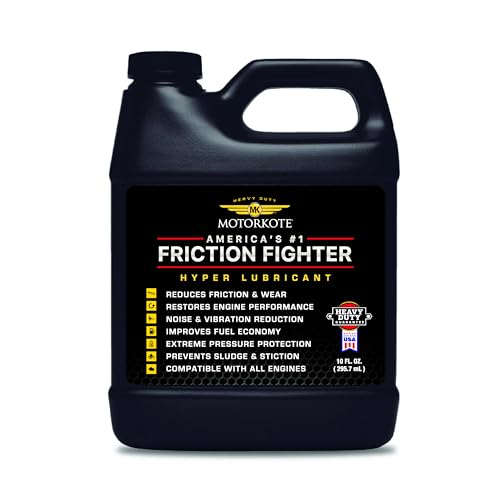
- Works with all brands of synthetic and petroleum-based oils. Including full synthetic, semi- synthetic, conventional, an…
- Recommended to be used in all automobile, truck, lawn, marine, agriculture and heavy-duty equipment.
- Increases horsepower, lowers operating temperatures and reduces engine noise and vibration in all engines.
Best for drivers considering a general-purpose friction treatment
MotorKote Hyper Lubricant is an engine treatment marketed for reducing friction and heat in gasoline and diesel engines. It is designed to work with conventional and synthetic oils in compatible applications.
Some drivers consider this product when seeking additional lubrication protection for engines exposed to frequent starts, heavy workloads, or demanding operating conditions.
However, claims about improved performance or reduced wear should be evaluated carefully. An additive does not automatically improve fuel economy, increase horsepower, or extend engine life.
Key features:
- Designed to reduce friction between moving components.
- Marketed for gasoline and diesel engines.
- Intended for use with compatible conventional and synthetic oils.
- Promoted for helping reduce engine noise and vibration.
- Requires the recommended dosage and compatibility checks before use.
Related Best Engine Oil for Audi A6 3.0 TDI Quattro(5 Best Options 2026)
5. Lucas Oil Heavy Duty Oil Stabilizer

- The world’s #1 oil additive
- Formulated with 100% petroleum
- Suitable for new engines
Best for evaluating oil consumption in older engines
Lucas Oil Heavy Duty Oil Stabilizer is a petroleum-based oil supplement marketed to improve lubricity and help reduce friction and wear. It is often considered by owners of older engines experiencing increased oil consumption or operating under demanding conditions.
However, this product requires particular caution in modern turbocharged engines. Many newer engines depend on precisely specified oil viscosity and performance standards. Adding a thick oil stabilizer may change the oil’s flow characteristics, which can be especially important for turbocharger lubrication.
It should not be used as a substitute for diagnosing excessive oil consumption, leaks, or turbocharger problems.
Key features:
- Designed to supplement engine oil lubricity.
- Marketed to help reduce friction and wear.
- Intended for various gasoline and diesel applications.
- Promoted for helping manage oil consumption in some engines.
- Requires careful consideration of the manufacturer’s oil viscosity requirements.
Product availability and packaging can change. Check the current Amazon US listing and manufacturer instructions before purchasing. These products are not ranked by independent comparative testing.
Related Duramax Engine Oil Cooler(3 Best Picks 2026)
What Does an Oil Additive Do in a Turbo Engine?
A turbocharger uses exhaust gases to spin a turbine connected to a compressor. This system increases the amount of air entering the engine, allowing it to produce more power from a given engine displacement.
The turbocharger’s rotating assembly operates at very high speeds and depends on proper lubrication. Engine oil also helps carry heat away from lubricated components.
An oil additive may supplement certain lubrication properties, depending on its formulation. However, it cannot replace the engine oil’s existing additive package, routine maintenance, or correct turbocharger operation.
Potential benefits include the following.
- Friction reduction: Some additives are designed to reduce friction between moving metal surfaces.
- Wear protection: Certain formulations provide additional anti-wear properties under specified conditions.
- Cold-start protection: Some products are intended to help protect engine components during startup.
- Smoother operation: Drivers may notice changes in engine noise, although reduced noise does not necessarily indicate improved engine health.
- Support for older engines: Selected additives may suit certain older engines, but they cannot repair worn bearings, damaged seals, or failing turbochargers.
The results depend on the engine, oil formulation, operating conditions, and the particular additive used.
Related Engine Power Reduced Chevy Equinox(7 Causes + Solutions)
How to Choose the Best Oil Additive for a Turbo Engine
1. Check Your Engine Oil Specification
Start by checking your owner’s manual. It specifies the recommended oil viscosity and performance standards for your engine.
For example, a turbocharged engine may require 0W-20, 5W-30, or another viscosity alongside a particular API, ACEA, or vehicle-manufacturer approval.
Do not assume that a thicker additive will provide better protection. Changing the oil’s viscosity or formulation can affect oil circulation, particularly in engines with tightly controlled lubrication requirements.
2. Consider Gasoline and Diesel Compatibility
Not every additive is appropriate for every turbocharged engine. A product marketed for diesel pickup trucks may have different intended applications from one designed for modern gasoline engines.
Vehicles equipped with catalytic converters and diesel particulate filters also require attention to additive compatibility.
Always review the product label and manufacturer recommendations before use.
Related Zinc Additive Engine Oil(Benefits & Hidden Formula)
3. Avoid Unnecessary Additives
Modern engine oils contain carefully balanced detergents, dispersants, anti-wear agents, antioxidants, and other components.
Adding another product may be unnecessary and could alter the oil’s intended formulation. If your vehicle manufacturer recommends against aftermarket additives, follow that guidance.
For most turbocharged engines, using the correct approved oil and changing it at the recommended interval provides a more dependable maintenance strategy than adding an extra treatment.
4. Investigate Oil Consumption and Turbo Noise
If your turbocharged engine consumes excessive oil, produces blue exhaust smoke, loses boost pressure, or develops unusual whistling or grinding noises, investigate the cause rather than relying on an additive.
Possible causes include:
- Turbocharger bearing or seal problems.
- Blocked turbocharger oil return lines.
- Faulty crankcase ventilation.
- External engine oil leaks.
- Excessive engine wear.
- Problems with the turbocharger’s boost-control system.
These issues may require professional diagnosis and repair.
Related Whats the Best Diesel Fuel Additive(Top 5 Picks 2026)
How to Use an Oil Additive Safely
If an additive is suitable for your vehicle, follow its instructions and your owner’s manual.
- Confirm compatibility with your engine and required oil specification.
- Check the recommended dosage against your engine’s oil capacity.
- Account for the additive’s volume to avoid overfilling the crankcase.
- Do not extend the oil change interval unless the vehicle manufacturer permits it.
- Monitor the oil level and engine behavior after use.
- Investigate any new warning lights, unusual noises, or operating problems.
Never pour an engine oil additive directly into the turbocharger unless a vehicle-specific service procedure explicitly instructs you to do so. Most engine oil additives are added to the crankcase as directed on the product label.
FAQs
What is the best oil additive for a turbo engine?
LIQUI MOLY Cera Tec is a reasonable option for drivers seeking a dedicated friction and wear treatment. However, the best product depends on the engine’s requirements, the oil being used, and the manufacturer’s recommendations.
Can oil additives improve turbocharger performance?
An additive may affect lubrication and friction, but it should not be expected to increase boost pressure or horsepower reliably. Turbocharger performance depends on the engine’s design, airflow, boost-control system, lubrication, and mechanical condition.
Can I use an oil additive with full synthetic oil?
Some additives are compatible with synthetic oil. However, compatibility varies by product. Check the label and your vehicle manufacturer’s recommendations before combining an additive with your existing engine oil.
Do turbo engines need special oil additives?
No. Most turbocharged engines do not require aftermarket oil additives when maintained with the correct engine oil and regular oil changes. Following the manufacturer’s oil specifications is more important than adding a supplementary treatment.
Can an oil additive stop a turbocharger oil leak?
An additive should not be relied on to repair a turbocharger oil leak. Leaks may result from damaged seals, blocked oil return lines, excessive crankcase pressure, or other mechanical problems that require diagnosis.
Final Verdict
The best oil additive for turbo engines is one that suits the engine’s lubrication requirements without compromising the recommended oil specification.
LIQUI MOLY Cera Tec is a strong candidate for drivers seeking a dedicated friction and wear treatment. LIQUI MOLY MoS2 Anti-Friction Engine Treatment is another option for compatible applications, while Archoil AR9100 may suit certain turbo-diesel engines.
MotorKote Hyper Lubricant and Lucas Oil Heavy Duty Oil Stabilizer are alternatives to evaluate carefully against the manufacturer’s guidance.
For most turbocharged vehicles, the most reliable approach is to use the correct high-quality engine oil, replace it at the recommended intervals, maintain the oil filter, and investigate leaks or unusual turbocharger noises promptly. An additive should be optional, not a substitute for proper maintenance.