
Differential gear oil protects the gear teeth and bearings from wear, reduces friction, manages heat, and ensures smooth, quiet operation over the life of your vehicle.
Best Gear Oil for Differential
1. Valvoline FlexFill Advanced Full Synthetic 75W-90 Gear Oil
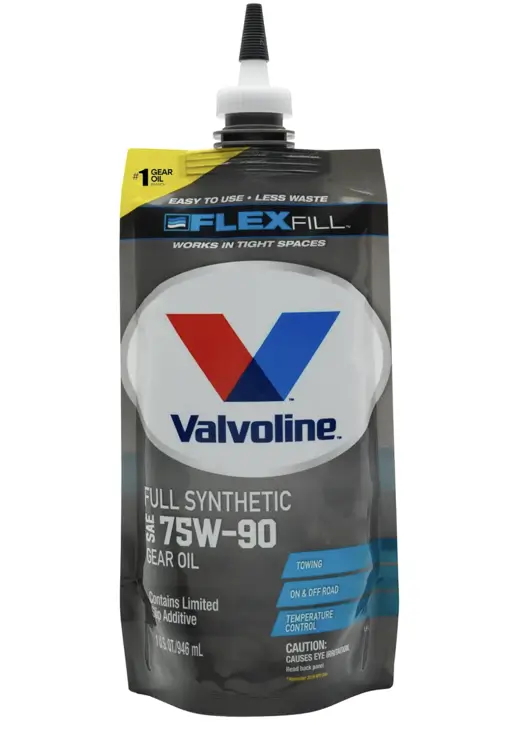
This premium, full-synthetic gear oil provides excellent protection and is available in an easy-to-use, flexible pouch.
Features:
- Full synthetic formula for high performance and thermal stability
- Up to four times more gear wear protection than conventional oils
- Meets API GL-5 and GL-4 / MT-1 specifications
- Flexible pouch design simplifies filling
2. Lucas Oil SAE 75W-90 Synthetic Gear Oil
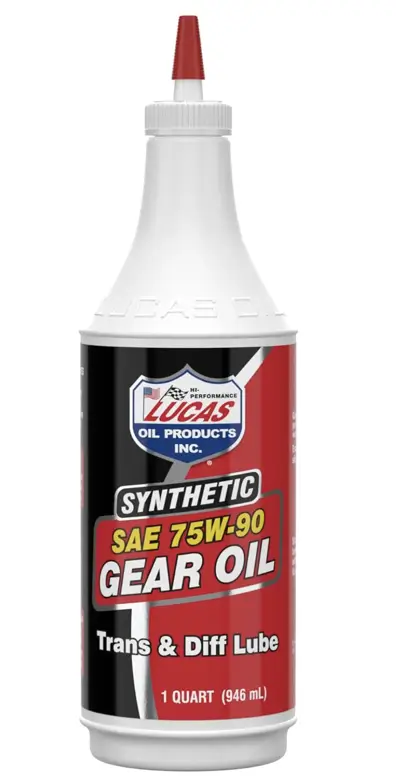
Lucas Oil is a trusted option for both on-road and off-road vehicles.
Features:
- Full synthetic 75W-90 for all-weather protection
- Suitable for conventional and limited-slip differentials
- Reduces gear noise and wear
- Affordable and reliable for a variety of vehicles
Related Toyota Tundra Front Differential Oil Capacity(+ Best Gear Oils)
3. Mobil 1 Full Synthetic Gear Lubricant, 75W-90
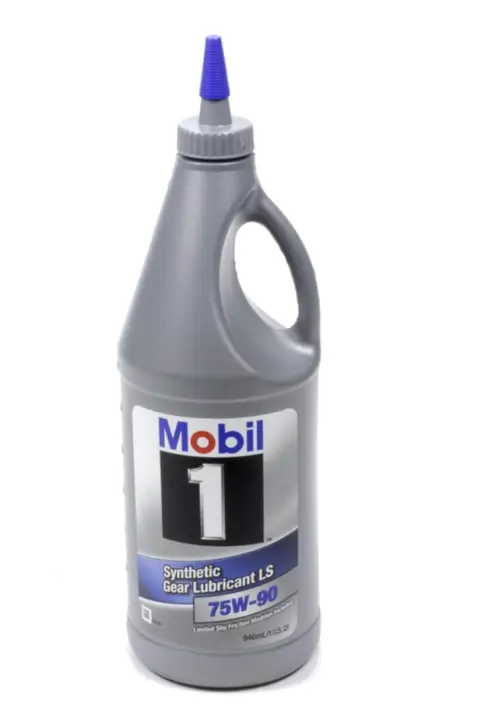
Mobil 1 provides balanced performance and thermal stability for car and truck differentials.
Features:
- Full synthetic with excellent high and low temperature performance
- Protects gears and bearings under heavy loads
- Compatible with limited-slip differentials
- Reduces friction and wear for smoother operation
4. Lucas Oil 80W-90 Heavy Duty Gear Oil
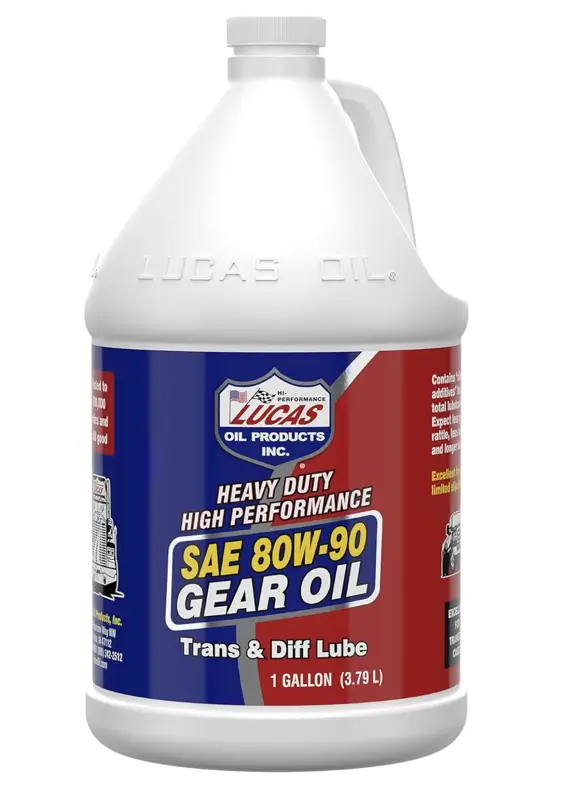
This conventional gear oil is ideal for older vehicles or applications requiring a heavier viscosity.
Features:
- SAE 80W-90 is suitable for older vehicles or hot climates
- Heavy-duty additives protect against shock loading and wear
- Excellent for trucks, SUVs, and heavy-duty use
Related Semi Truck Differential Oil Capacity Chart(For All Models)
5. Royal Purple Max-Gear 75W-90 High Performance Synthetic Gear Oil
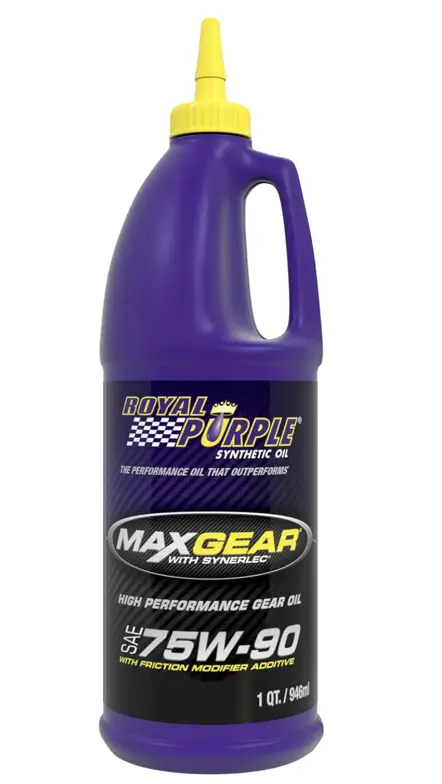
Royal Purple Max-Gear is designed for performance and heavy-duty use.
Features:
- High-performance synthetic formula for superior protection
- Proprietary additives reduce friction and gear wear
- Provides excellent thermal stability and cold-start protection
Related Best Synchromesh Transmission Fluid(Top 5 Best Options)
6. Valvoline SynPower SAE 75W-140 Full Synthetic Gear Oil
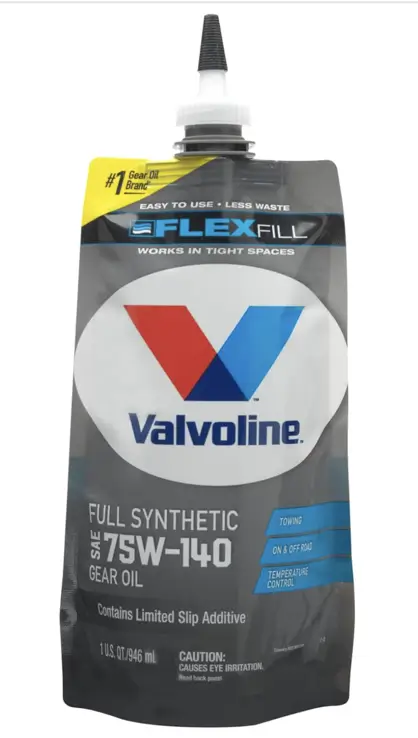
A high-viscosity option for heavy-duty vehicles and high-load differentials.
Features:
- Full synthetic for extreme load and temperature conditions
- Ideal for towing, hauling, and high ambient temperatures
- Protects gears under severe service conditions
7. Red Line 50104 75W-85 Full Synthetic Gear Oil
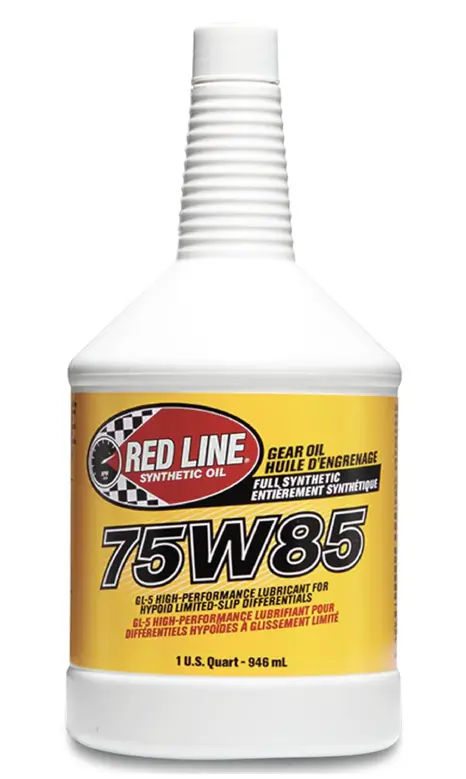
Red Line is a well-regarded option for limited-slip differentials and performance vehicles.
Features:
- Full synthetic with friction modifiers for limited-slip applications
- Covers multiple viscosity ranges (75W-80 to 85W)
- Provides excellent protection for hypoid gears and final drives
Related Transmission Fluid Temperature Chart(Comprehensive Guide)
Why Choosing the Right Gear Oil Matters
Differentials experience extreme pressure, particularly in trucks, SUVs, 4x4s, and performance vehicles. Using the right gear oil:
- Reduces friction and wear, protecting metal gears from grinding and premature failure
- Helps manage heat for more consistent operation and longevity
- Improves performance in limited-slip differentials by eliminating chatter
- Extends service life and keeps differentials reliable under heavy loads
Most modern gear oils meet API GL-5 specifications, suitable for hypoid gears commonly found in rear and front differentials.
Differential Gear Oil Buying Tips
When choosing gear oil for your differential, consider the following:
- Check your owner’s manual: Follow the recommended viscosity and specification for your vehicle
- Viscosity selection:
- 75W-90 is common for cars and light trucks
- 80W-90 is suitable for older vehicles or hotter climates
- 75W-140 is recommended for heavy loads or high-temperature environments
- Limited-slip differentials: Look for oils labeled LSD-compatible to reduce chatter
- Synthetic vs conventional: Synthetic oils provide better thermal stability, wear protection, and smoother operation under extreme conditions
FAQs
What kind of oil is used in differential?
Differentials typically use gear oil, which is specially formulated to handle high pressure and extreme friction. Most are rated API GL-5 for hypoid gears, and some limited-slip differentials may require oils with friction modifiers. Conventional, synthetic, or semi-synthetic formulations can be used depending on the vehicle and driving conditions.
Which grade gear oil is best?
The best gear oil grade depends on your vehicle and climate. Common grades include:
- 75W-90: Most versatile, suitable for cars and light trucks
- 80W-90: Good for older vehicles or hotter climates
- 75W-140: High-viscosity option for heavy-duty or high-temperature applications
- Always check the manufacturer’s manual for the recommended grade.
Can I use gearbox oil for differential?
Some manual transmission (gearbox) oils are compatible with differentials if they meet the required specification, but not all are suitable. Differential gears, especially hypoid gears, experience higher pressure than most gearboxes, so it’s safest to use gear oil specifically rated for differentials (GL-5).
Can I use 80W-90 in cold weather?
80W-90 can be thicker at low temperatures, which may make starting or shifting less smooth in very cold conditions. For cold climates, a 75W-90 synthetic gear oil is usually preferred because it flows better at low temperatures while still providing protection.
What happens if you use thicker gear oil?
Using a thicker oil than recommended can:
- Increase drag and reduce fuel efficiency
- Cause poor lubrication at startup in cold temperatures
- Make limited-slip differentials chatter if friction modifiers are not present
- Potentially causes unnecessary wear on gears and bearings
What gear oil should I use for differential?
Use the gear oil grade and specification recommended by your vehicle manufacturer. Most modern differentials require API GL-5 oils in the correct viscosity (75W-90, 80W-90, or 75W-140). Limited-slip differentials may require oils with friction modifiers.
What are the signs of bad diff oil?
Signs your differential oil may be failing include:
- Unusual whining, grinding, or clunking noises from the differential
- Vibrations or shaking while driving
- Gear overheating or leaking oil from seals
- Reduced performance in limited-slip differentials
- Burnt smell or dark, dirty oil upon inspection
Final Thoughts
Differential gear oil is a small but crucial part of vehicle maintenance. The right gear oil ensures smoother operation, quieter performance, and longer differential life, whether you drive a daily commuter, heavy-duty truck, or off-road SUV.
Products like Valvoline FlexFill, Lucas Oil Synthetic, and Royal Purple Max-Gear offer reliable options for most applications. Always select a gear oil that matches your differential’s requirements and change it at recommended intervals to maintain optimal performance and durability.