
Turbocharged engines deliver more power and efficiency, but they also place much higher demands on engine oil. The turbo spins at extremely high speeds and generates intense heat, which can quickly break down low-quality oil. That’s why choosing the right oil is essential for maintaining performance, preventing wear, and extending engine life.
In most cases, full synthetic oil is the best choice because it performs better under extreme conditions than conventional or semi-synthetic oils.
Best Engine Oil for Turbo Engines
1. Mobil 1 Advanced Full Synthetic 5W-30
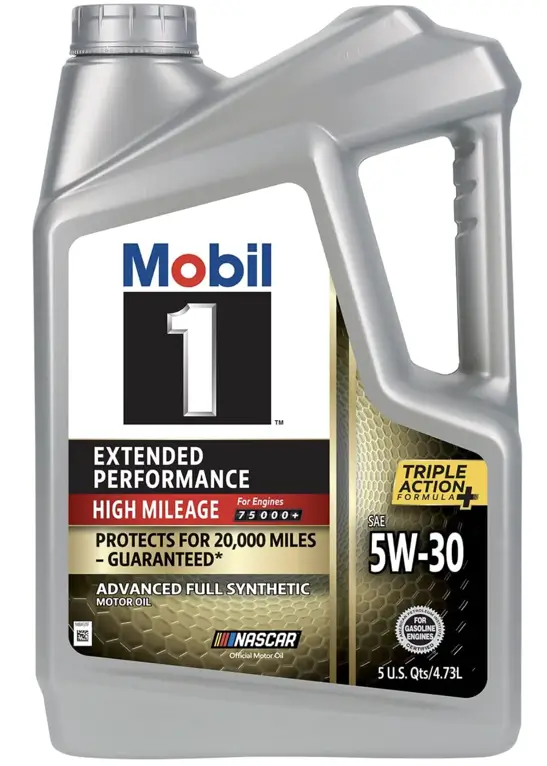
Mobil 1 is one of the most trusted names in engine lubrication, and this oil is widely used in turbocharged engines across different vehicle brands.
Key Features:
- Full synthetic formula designed for high-performance engines
- Excellent resistance to heat breakdown in turbo systems
- Helps prevent sludge and harmful deposits
- Strong wear protection for engine components
- Performs well in both cold and hot temperatures
This oil is a reliable all-around option for both everyday driving and demanding turbo applications.
Related Turbo Engine Oil Change Interval(Car Model A to Z)
2. Castrol EDGE Advanced Full Synthetic 5W-30
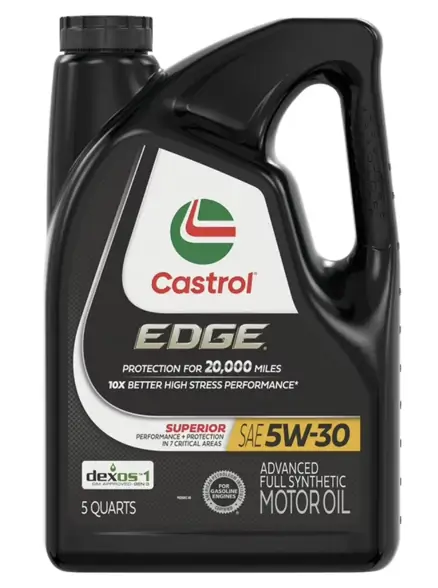
Castrol EDGE is engineered for engines that operate under high stress, making it a great match for turbocharged vehicles.
Key Features:
- Enhanced with titanium additives for extra strength
- Reduces friction and metal-to-metal contact
- Maintains viscosity under extreme pressure
- Supports improved engine efficiency
- Ideal for performance-focused turbo engines
If you drive aggressively or own a high-performance turbo car, this oil offers added protection where it matters most.
3. Liqui Moly Top Tec 4200 5W-30
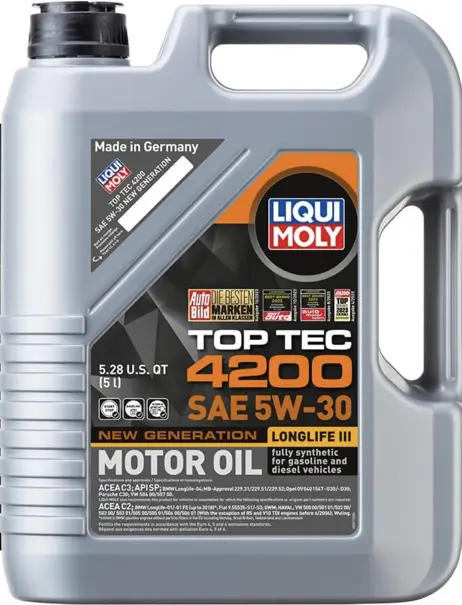
Liqui Moly is known for its premium German-engineered oils, especially suited for modern turbocharged engines.
Key Features:
- High-quality synthetic base for smooth engine operation
- Excellent engine cleanliness and deposit control
- Supports extended oil change intervals
- Fast circulation during cold starts
- Suitable for both gasoline and diesel turbo engines
This is a premium option for drivers who want maximum engine protection and longer service intervals.
Related Best Oil for High Performance Engines(Top 5 Best 2026)
4. Valvoline SynPower MST 5W-30
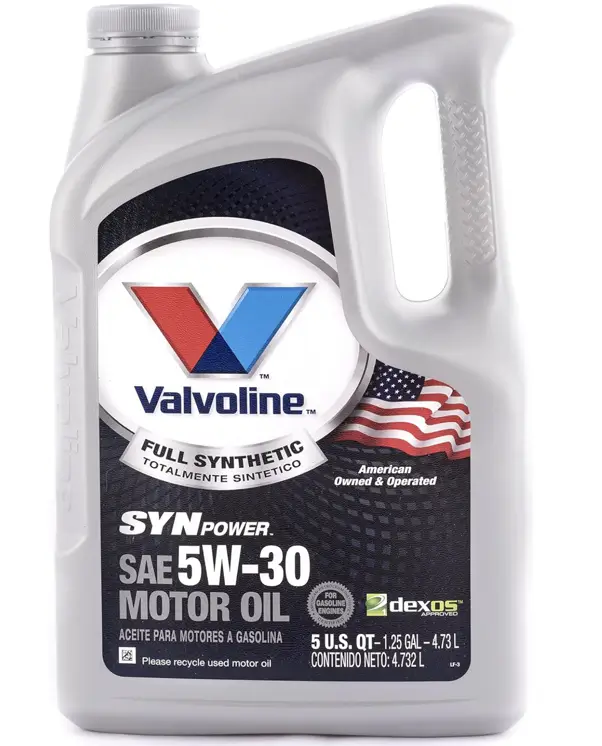
Valvoline SynPower MST is designed to meet strict industry and manufacturer standards, especially for modern turbo engines.
Key Features:
- Compatible with advanced engine systems and turbochargers
- Provides strong protection against wear and deposits
- Performs well in cold-start conditions
- Supports extended drain intervals
- Helps maintain engine efficiency over time
This oil is a solid choice for drivers looking for reliable, long-lasting performance.
Related Racing Engine Oil Viscosity(Learn the Viscosity Formula for Success)
5. Shell Rotella T6 Full Synthetic 5W-40
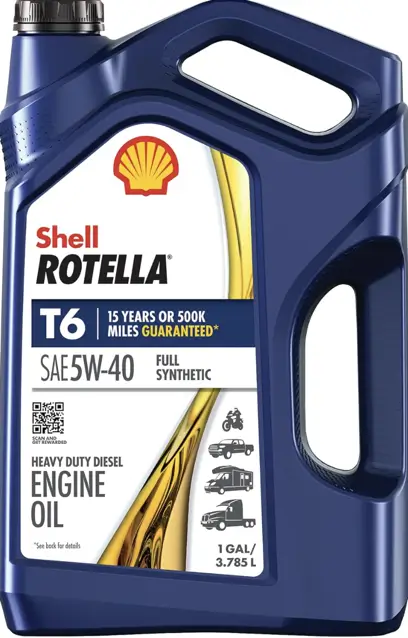
Shell Rotella T6 is widely used in heavy-duty and turbo diesel engines, but it also performs well in certain gasoline turbo applications.
Key Features:
- Excellent resistance to viscosity breakdown under stress
- Strong protection against soot and deposits
- Performs well in extreme heat and heavy loads
- Helps extend engine life in demanding conditions
- Suitable for high-performance and heavy-duty turbo engines
This oil is especially useful if your turbo engine operates under tough conditions, such as towing or high-load driving.
Why Turbo Engines Need High-Quality Oil
Turbochargers operate under extreme conditions compared to standard engines. They spin at very high speeds and rely on engine oil for both lubrication and cooling. Because of this, the oil must be able to withstand:
- Very high temperatures
- Rapid pressure changes
- Continuous circulation through tight components
Using poor-quality oil can lead to serious issues, such as:
- Oil breakdown and loss of protection
- Carbon buildup inside the turbo
- Increased engine wear
- Reduced turbo efficiency or failure
High-quality synthetic oils are specifically designed to handle these challenges, ensuring smooth operation and long-term reliability.
Related Subaru Engine Oil Filter(Top 5 BEST 2026)
How to Choose the Best Oil for a Turbo Engine
Selecting the right oil involves more than just picking a popular brand. Here are the key factors to consider:
Viscosity Grade
Most turbo engines require oils like 5W-30 or 5W-40. Always follow the manufacturer’s recommended viscosity for your specific vehicle.
Synthetic Formula
Full synthetic oil is highly recommended because it performs better under heat and stress compared to conventional oil.
Industry Standards
Look for oils that meet modern standards such as API SP or ACEA ratings. These certifications ensure the oil is suitable for turbocharged engines.
Driving Conditions
- For daily driving, choose oil with good cleaning properties
- For high-performance use, prioritize heat resistance
- For heavy-duty or towing, consider slightly thicker oil like 5W-40
Related Whats the Best Diesel Fuel Additive(Top 5 Picks 2026)
FAQs
What oil is best for turbocharged engines?
The best oil for turbocharged engines is a high-quality full synthetic oil that meets the manufacturer’s specifications. Oils like 5W-30 or 5W-40 with modern API or ACEA ratings are commonly recommended. These oils provide excellent heat resistance, prevent sludge buildup, and maintain proper lubrication under the extreme temperatures and pressures created by turbochargers.
Is 5W30 good for turbo?
Yes, 5W-30 is widely used and recommended for many turbocharged engines. It offers a good balance between fuel efficiency and engine protection. It flows well during cold starts while still maintaining adequate thickness at operating temperatures. However, always confirm your vehicle’s manual, as some turbo engines may require a different viscosity.
Is 15W40 good for a turbo engine?
15W-40 can be suitable for certain turbo diesel engines, especially in heavy-duty applications. However, it is generally not ideal for modern gasoline turbo engines because it is thicker and may not flow as quickly during cold starts. Most modern turbo engines perform better with lighter full synthetic oils like 5W-30 or 5W-40.
What kills a turbo in a car?
Several factors can shorten the life of a turbocharger, including:
- Poor-quality or dirty engine oil
- Infrequent oil changes
- Shutting off the engine immediately after hard driving (no cool-down time)
- Oil starvation or low oil levels
- Contaminants or debris in the oil system
Proper maintenance and using the right oil are key to keeping a turbo in good condition.
What is the difference between 5W30 and 5W40 for turbos?
The main difference is thickness at high temperatures.
- 5W-30 is thinner and offers better fuel efficiency and faster flow
- 5W-40 is thicker at operating temperatures and provides extra protection under high heat and heavy loads
For turbo engines, 5W-40 may be better in extreme conditions or performance driving, while 5W-30 is ideal for daily use and efficiency.
What should you not do with a turbo engine?
To protect a turbo engine, avoid the following:
- Using low-quality or incorrect engine oil
- Skipping regular oil changes
- Revving the engine hard when it’s cold
- Turning off the engine immediately after high-speed driving
- Ignoring oil leaks or low oil levels
Good driving habits and proper maintenance go a long way in extending the life of a turbocharged engine.
Final Thoughts
Turbo engines demand more from engine oil than standard engines, so choosing the right product is critical. A high-quality full synthetic oil will provide better heat resistance, improved lubrication, and longer engine life.
Mobil 1 is a strong all-around choice, while Castrol EDGE is ideal for performance driving. Liqui Moly offers premium protection, Valvoline delivers reliable everyday performance, and Shell Rotella T6 is perfect for heavy-duty conditions.
No matter which option you choose, always follow your vehicle manufacturer’s recommendations and maintain regular oil change intervals. This is the best way to keep your turbo engine running smoothly and efficiently for years to come.