
Your car’s engine is a complex machine with countless moving parts. Each component plays a crucial role in ensuring optimal performance and longevity.
One often overlooked yet critical component is the oil filter. It’s the unsung hero that diligently cleanses your engine’s lifeblood, the oil. But what happens if you decide to cut corners and use a smaller oil filter?
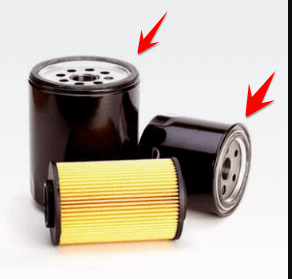
What Happens If You Use a Smaller Oil Filter
1. Reduced Oil Filtration Efficiency
One of the primary concerns with using a smaller oil filter is the potential reduction in filtration efficiency. Oil filters are designed with a specific surface area for trapping contaminants. A smaller filter has less filter media, meaning it can hold fewer contaminants before becoming clogged.
This limited capacity can lead to quicker saturation of the filter, reducing its ability to effectively clean the oil. As a result, dirty oil may circulate through the engine, increasing the risk of damage and wear.
2. Impact on Oil Flow Rate
The oil flow rate is another critical factor affected by the size of the oil filter. An engine requires a specific flow rate to ensure proper lubrication of its moving parts. A smaller oil filter may restrict the flow of oil due to its reduced surface area and internal design.
This restriction can lead to a drop in oil pressure, resulting in insufficient lubrication. In severe cases, this can cause metal-on-metal contact within the engine, leading to increased friction, heat, and potential engine damage.
Related Cross Reference Chart for Oil Filters(For ALL Brands)
3. Increased Risk of Oil Bypass
Most oil filters come equipped with a bypass valve, a safety feature that allows oil to bypass the filter if it becomes clogged or if the oil is too thick at cold temperatures. This ensures that the engine still receives oil, even if it is unfiltered.
However, a smaller oil filter is more likely to reach its capacity and trigger the bypass valve prematurely. This means that unfiltered oil, containing contaminants, can circulate through the engine, increasing the risk of wear and damage over time.
4. Shortened Oil Filter Life
A smaller oil filter will generally have a shorter lifespan compared to the recommended size. Due to its limited capacity, it will reach its maximum holding potential faster, necessitating more frequent replacements.
If not replaced timely, a clogged filter can significantly impact engine performance and health. Regularly replacing oil filters is essential, but using an undersized filter can complicate maintenance schedules and increase the risk of engine issues.
Related Oil Filter Thread Size Chart(For All Thread Size/Pitch)
5. Compatibility and Fitment Issues
Another concern when using a smaller oil filter is compatibility and fitment. Oil filters are designed to fit specific engines and models. Using an incorrect size can result in improper sealing, leading to oil leaks.
A filter that is too small may not fit securely, causing oil to escape and potentially damaging the engine. Moreover, mismatched threading or sealing can prevent the filter from properly attaching to the engine, risking detachment during operation.
Read How Tight Does an Oil Filter Need To Be(Avoid This Mistake)
6. Effects on Engine Performance
Engine performance can suffer when using an undersized oil filter. The reduced oil flow and filtration efficiency can cause an increase in engine wear and tear. Over time, this can lead to a loss of power, reduced fuel efficiency, and increased emissions.
Also, the engine may become noisier due to inadequate lubrication and the resulting friction between moving parts. For those who prioritize their vehicle’s performance, sticking to the recommended oil filter size is crucial.
7. Potential for Long-Term Engine Damage
The long-term effects of using a smaller oil filter can be severe. Consistently using a filter that does not meet the engine’s specifications can lead to a buildup of contaminants, increased friction, and overheating.
These issues can cause significant damage to engine components, potentially leading to costly repairs or even engine failure. In some cases, warranty coverage may be voided if improper maintenance, such as using the wrong oil filter, is determined to be the cause of engine issues.
Related Best Engine Oil Filter(Top 7 BEST 2025)
How to Choose Right Oil Filter
To protect your engine investment, it’s essential to use the correct oil filter.
- Consult your owner’s manual: This document specifies the exact oil filter size and type recommended for your vehicle.
- Choose a reputable brand: Quality oil filters are designed to meet specific performance standards.
- Regular oil changes: Adhere to your vehicle’s recommended oil change intervals to maintain optimal engine health.
Read How to Clean Funnel After Oil Change(Don’t Make These Mistakes)
FAQs
What happens if I use the wrong size oil filter?
Using the wrong size oil filter can lead to several problems, depending on whether it’s too small, too large, or has incorrect threading. A poorly fitting filter might not seal correctly, causing oil leaks or low oil pressure. A filter with the wrong bypass valve rating may also restrict oil flow, leading to engine wear. In severe cases, the filter can detach or fail internally, resulting in major engine damage. Always match the filter to your engine’s specifications to avoid these risks.
Does it matter if my new oil filter is shorter than my old one?
Yes, it matters, but the impact depends on the engine’s oil flow requirements. A shorter filter usually means less filtration media, which can reduce dirt-holding capacity. While the engine may still operate normally, the filter may clog faster, shorten oil life, or trigger bypass operation sooner. If the shorter filter is still listed as compatible by the manufacturer, it’s safe, but if not, it’s better to stick to the recommended size.
How important is oil filter size?
Oil filter size is very important because it determines the amount of filtration media, oil flow capacity, and fitment. The correct size ensures proper sealing, maintains oil pressure, and provides enough media to capture contaminants throughout the oil change interval. Using the wrong size can lead to premature clogging, bypass activation, or oil starvation, all of which harm engine longevity.
Is the bigger the filter the better?
Not always. While a larger oil filter typically has more filtration media and can offer better dirt-holding capacity, it must still match the engine’s thread size, gasket diameter, and bypass valve specifications. Bigger isn’t automatically better, compatibility is what matters most. Installing an oversized filter not designed for your engine can cause pressure issues or leaks.
How do I know if my oil filter is right?
You can confirm the correct oil filter by checking:
- Your vehicle’s owner’s manual
- A trusted parts catalog or compatibility lookup tool
- Manufacturer specifications
- The filter’s thread size, gasket diameter, and bypass valve setting
If all these match your vehicle’s requirements, the filter is right for your engine.
Final word
Using a smaller oil filter than recommended can have significant and potentially harmful consequences for your engine. The downsides far outweigh any perceived benefits from reduced filtration efficiency and oil flow issues to the increased risk of long-term damage.
Following the manufacturer’s recommendations for oil filter size and type is essential to ensure optimal engine performance and longevity.