
If you drive a vehicle with an automatic transmission, a transmission temperature gauge is one of the most important instruments you can install. This gauge monitors the temperature of your transmission fluid in real time, helping prevent costly damage.
Transmission Temp Gauge
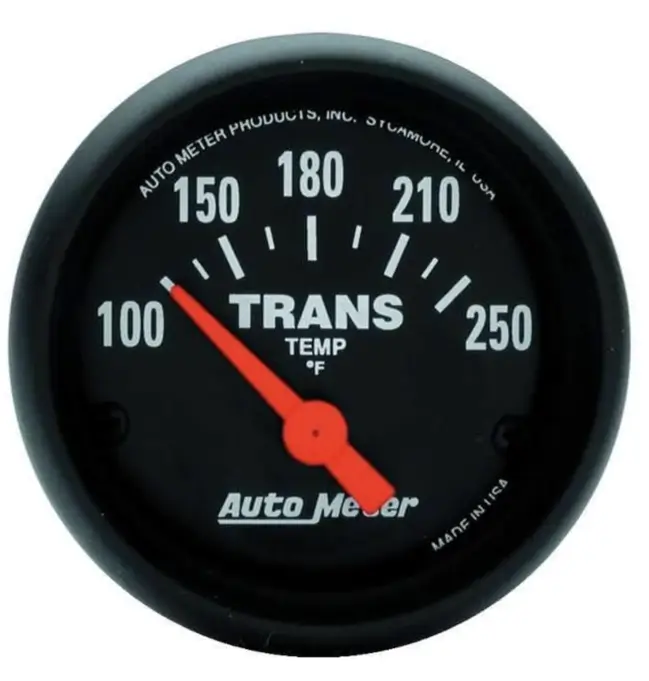
1. Auto Meter 2640 NV 2-1/16″ Electric Transmission Temperature Gauge
Key Features:
- Electric gauge with a 100–250°F range
- Standard 2-1/16″ size fits most dashboards
- Includes temperature sensor and hardware
- Analog needle design for clear visual feedback
- Reliable for daily monitoring and performance driving
- Easy to install with included instructions
This gauge is a straightforward, reliable option for accurate temperature monitoring.
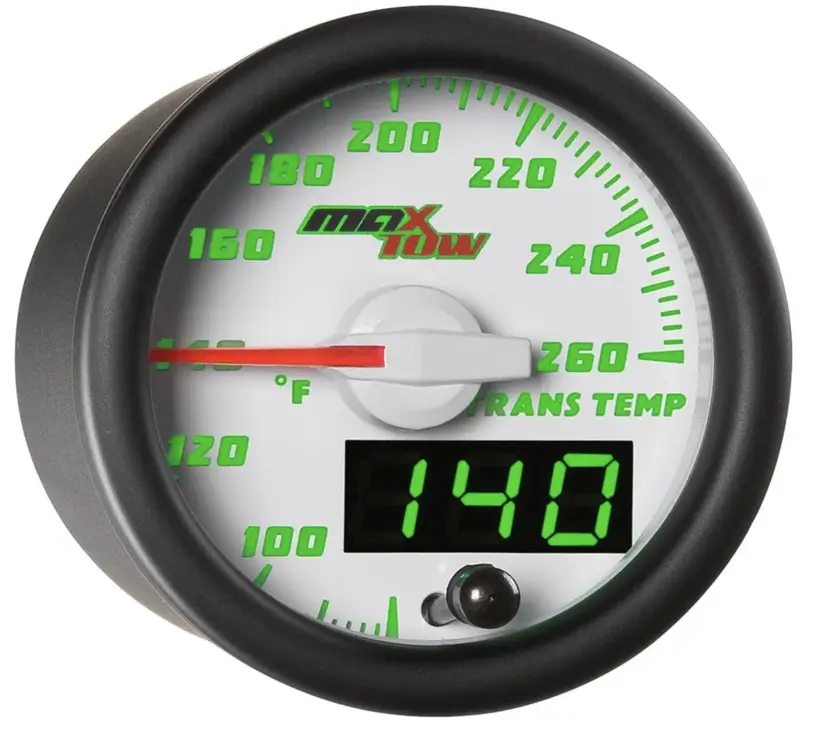
2. MaxTow Double Vision 260°F Transmission Temperature Gauge Kit
Key Features:
- Reads temperatures up to 260°F
- Double Vision display with analog needle and LED digital readout
- Standard 2-1/16″ gauge size
- LED illumination for night visibility
- Includes temperature sensor and wiring harness
- Suitable for trucks and heavy-load applications
This gauge combines analog aesthetics with digital precision for easy readings at a glance.
Related Transmission Fluid Temperature Chart(Comprehensive Guide)
3. Auto Meter 8457 Factory Match Transmission Temperature Gauge
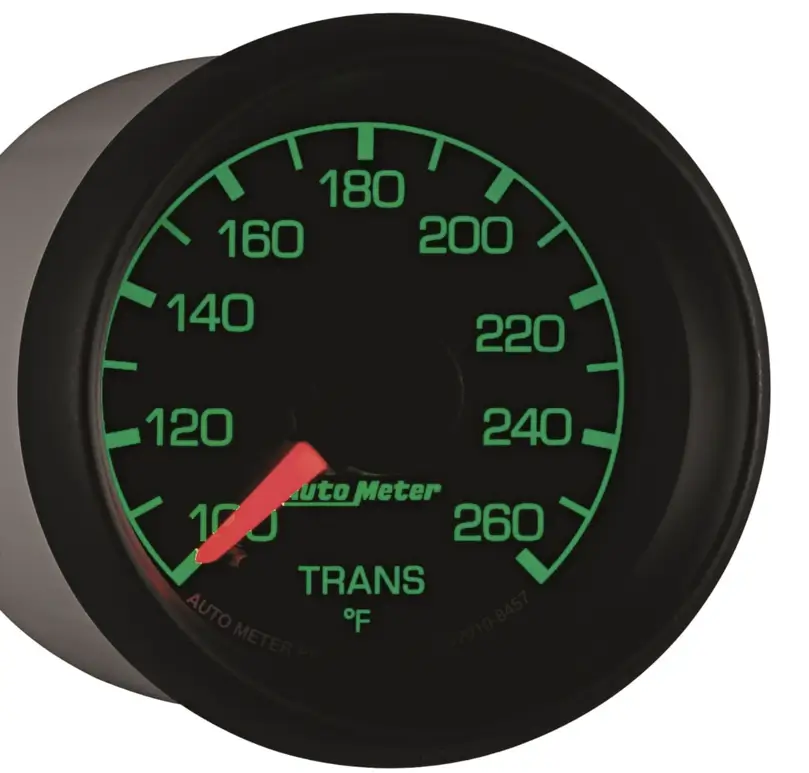
Key Features:
- Electric gauge for everyday use
- Factory-match LED lighting for OEM-style dash integration
- 1/8″ NPT sensor included
- Red and green illumination for nighttime readability
- Durable, high-quality construction
- Easy installation in dashboards or gauge pods
This gauge is ideal when dash lighting consistency is important while maintaining accurate temperature monitoring.
4. Auto Meter 4357 Ultra-Lite Electric Transmission Temperature Gauge
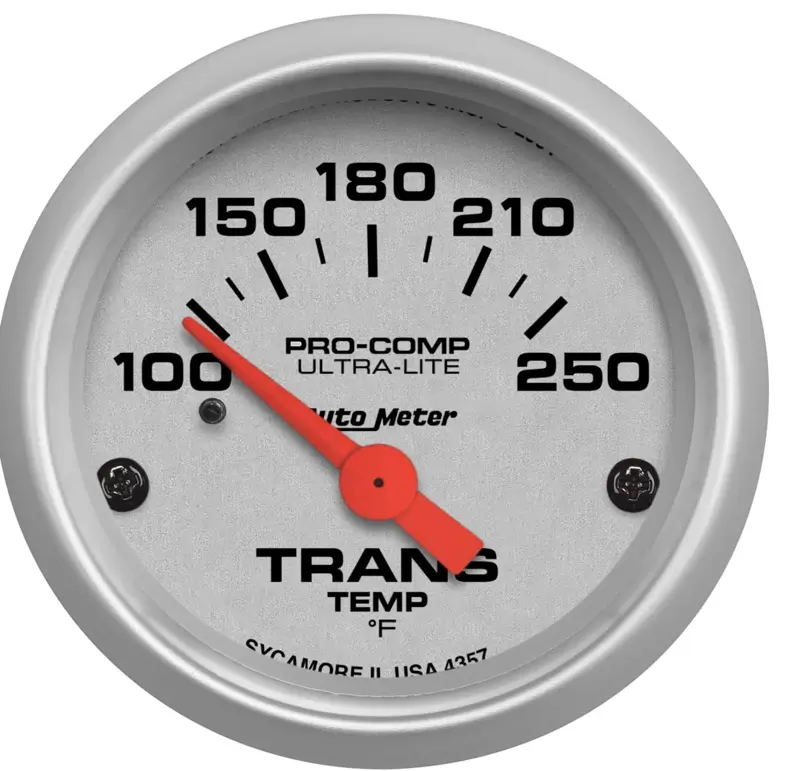
Key Features:
- Short-sweep needle design for enhanced visibility
- 2-1/16″ standard diameter
- Includes wiring and sensor for complete installation
- Lightweight electric needle movement
- Accurate temperature readings for performance use
- Compatible with a wide range of automatic transmissions
This compact gauge is suitable for drivers who want a simple, reliable display with a classic look.
Related Transmission Fluid Dripping(6 Causes + Solutions)
5. 7-Color Universal Transmission Temperature Gauge Kit (Up to 300°F)
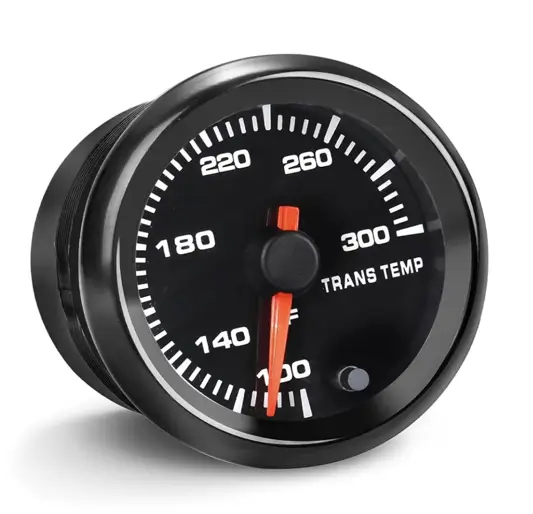
Key Features:
- Measures temperatures up to 300°F
- Backlit dial with 7 color options
- Universal design fits most automatic transmission vehicles
- Includes temperature sensor, wiring, and mounting hardware
- Clear black dial with LED illumination
- Easy-to-read gauge for quick assessment
- LED color switch button allows customization
This universal gauge is affordable, visually appealing, and effective for monitoring high temperatures.
How Transmission Temperature Gauges Work
Transmission temperature gauges measure the temperature of the fluid using an electronic sensor. The sensor is usually installed in a transmission test port, cooler line, or pan. It sends a signal to the gauge on your dashboard, displaying the fluid temperature in Fahrenheit or Celsius.
Monitoring your transmission temperature allows you to spot overheating early. High temperatures can cause:
- Accelerated transmission wear
- Reduced fluid viscosity and lubrication
- Warped or damaged seals and clutches
- Costly transmission repairs or rebuilds
With a gauge installed, you can maintain safe temperatures through improved driving habits, better cooling systems, or additional transmission coolers.
Related Car AC Gauge Reading Chart(Complete Guide)
Tips for Effective Use of Transmission Temperature Gauges
- Sensor Placement: Install the sensor at the transmission test port or cooler line for accurate readings.
- Gauge Placement: Mount the gauge where it is easily visible, such as the dash or A-pillar.
- Temperature Awareness: Normal operating temps are typically 175–225°F. Regularly exceeding 250°F indicates a need for additional cooling or adjusted driving habits.
- Wiring: Ensure proper wiring and fuses are in place to avoid errors or electrical problems.
- Monitoring Patterns: Observe temperature trends over time instead of focusing on brief peaks. Gradual increases may indicate cooling issues.
Installation Notes
Most gauges come with complete installation kits, but may require:
- Drill and mounting tools for custom dash installations
- Wiring connectors and fuses
- Optional gauge pod or pillar mount
- Cooler line adapters if the vehicle lacks a test port
Professional installation is recommended for those unfamiliar with automotive wiring and mechanical work.
Related Engine Compression Test Chart(For All Brands + Models)
FAQs
What should the transmission temperature gauge be at?
The normal operating range for most automatic transmissions is 175°F to 225°F. Temperatures consistently above this range may indicate excessive stress or insufficient cooling.
How do I check my transmission temperature?
Transmission temperature can be checked using a transmission temperature gauge installed on the dashboard. Alternatively, some vehicles allow temperature reading through the OBD-II port with a compatible scanner. For older vehicles, a mechanical test port on the transmission can be used with a temperature probe.
How to tell if transmission is overheating?
Signs of overheating include:
- Burning smell from the transmission
- Fluid appearing dark brown or black
- Slipping gears or delayed engagement
- Warning lights or transmission temperature indicator on the dash
What is a transmission temperature gauge?
A transmission temperature gauge is an instrument that monitors the temperature of the transmission fluid in real time. It helps drivers prevent overheating, optimize performance, and prolong the life of the transmission.
What is too high for transmission temperature?
Temperatures above 250°F are generally considered too high for automatic transmissions. Prolonged operation above this level can lead to fluid breakdown, reduced lubrication, and damage to transmission components.
Where should my temperature gauge read?
Under normal operating conditions, the temperature gauge should read between 175°F and 225°F. During heavy towing or high-load conditions, brief increases are expected, but sustained readings above 250°F require corrective action, such as reducing load or adding a transmission cooler.
Final words
A transmission temperature gauge is a valuable investment for vehicles with automatic transmissions. It helps monitor fluid temperatures, prevent overheating, and protect your transmission from premature failure.
The five gauges above, from trusted Auto Meter options to universal LED displays, provide choices for different budgets and driving needs. Always match the gauge type with your vehicle and transmission system to ensure accurate readings and long-term reliability.