

Snowblowers often rely on small 2-stroke engines, which require a precise mix of gasoline and 2-cycle oil. Most modern 2-stroke snowblower engines recommend lean oil-to-gas ratios like 50:1, though older models may need slightly richer mixtures.
This guide covers how to choose 2-cycle oil and highlights five highly rated options available.
2 Cycle Oil for Snowblower
1) STIHL High Performance Ultra 2-Cycle Oil
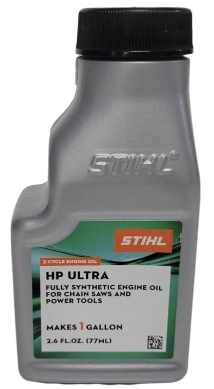
Fully synthetic 2-cycle oil designed for clean burning and excellent lubrication. Ideal for reducing deposits and providing superior cold-start protection.
Features:
- Fully synthetic for cleaner combustion and lower deposits
- Available in convenient small bottles and gallon sizes
- Biodegradable and environmentally safer than many conventional oils
- Compatible with lean mix ratios used in modern engines
2) Husqvarna XP / XP+ 2-Stroke Oil
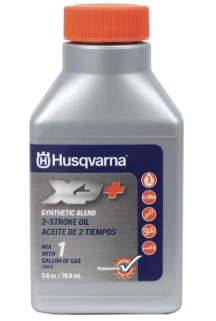
Premium, low-smoke oil designed for Husqvarna outdoor equipment. Provides reliable wear protection and comes in pre-measured bottles for easy mixing.
Features:
- Low smoke formula for cleaner exhaust
- Available in small pre-measured bottles for convenience
- OEM-recommended for Husqvarna equipment
- Suitable for lean mix ratios used in snowblowers
Related 2 Cycle Oil Calculator
3) ECHO PowerBlend Gold 2-Stroke Oil
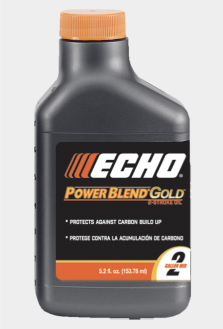
Semi-synthetic oil formulated to reduce exhaust port buildup and rust while providing reliable engine protection. Works well in most modern small engines.
Features:
- Recommended 50:1 mix ratio for modern engines
- Semi-synthetic for the balance of performance and cost
- Protects against corrosion and exhaust port deposits
- Sold in gallon jugs and smaller bottles
4) AMSOIL Saber Professional Synthetic 2-Stroke Oil
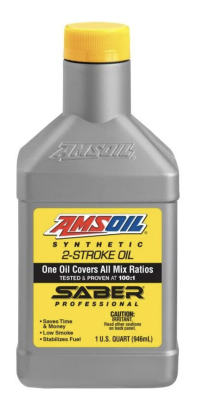
Full synthetic oil designed for high protection, reduced deposits, and extended fuel stability, making it ideal for seasonal snowblower storage.
Features:
- Full synthetic for superior anti-wear and low carbon deposits
- Contains stabilizers for fuel storage and winterizing equipment
- Performs well at lean mix ratios and under high RPMs
- Available in quarts and gallon sizes
5) Yamaha Yamalube 2M 2-Stroke Oil
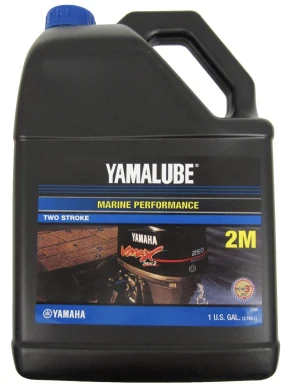
Marine-grade 2-stroke oil with strong anti-wear and corrosion protection. Suitable for snowblowers only if labeled for land-based, air-cooled engines.
Features:
- Excellent corrosion and wear protection
- Detergent properties help prevent carbon build-up and ring stick.
- Available in quarts and larger containers
- Confirm suitability for land engines before use.
Related Ariens Snowblower Oil Capacity Chart(For All Models)
How to Choose 2-Cycle Oil for Your Snowblower
- Check the mix ratio: Most new engines use a 50:1 ratio of gasoline to 2-cycle oil, but older engines may require 40:1 or 32:1. Using too much oil produces smoke; too little can damage the engine.
- Synthetic vs. semi-synthetic vs. mineral: Fully synthetic oils provide cleaner burning, better cold-start protection, and reduced deposits. Semi-synthetic oils offer a good balance of performance and cost.
- Low smoke and additives: Look for oils labeled “low smoke” or “high lubricity,” which help minimize deposits and prevent exhaust port clogging.
- Fuel stability: Some oils include additives that stabilize fuel, making them ideal for equipment that is stored over the winter months.
- Manufacturer recommendations: Using the OEM-recommended oil ensures engine compatibility and maintains warranty coverage.
Related Toro Snowblower Oil Capacity(For All Models)
Tips for Using 2-Cycle Oil in Snowblowers
- Follow the manual: Always use the recommended oil-to-gas ratio. Modern engines often require 50:1.
- Use OEM or high-quality oils: STIHL HP Ultra, Husqvarna XP, and ECHO PowerBlend are all excellent for their respective brands.
- Mix properly: Pre-measured bottles can help avoid mistakes. Shake fuel thoroughly before use.
- Winter storage: Use a fuel stabilizer if storing mixed fuel for longer than a month. Oils with stabilizing additives help maintain fuel quality.
Related Craftsman Snowblower Oil Capacity(For All Models)
FAQs
Can I use 2-cycle oil in my snowblower?
Yes, if your snowblower has a 2-stroke engine. 2-cycle oil mixed with gasoline provides lubrication and prevents engine damage. Using straight gasoline or 4-stroke oil will harm the engine.
What is the oil mix for a 2-stroke snowblower?
Most modern engines use a 50:1 gas-to-oil ratio, but some older models may require 40:1 or 32:1. Follow the manufacturer’s instructions to avoid excessive smoke or engine wear.
What type of oil do most snowblowers use?
- 2-stroke engines: 2-cycle oil mixed with gasoline.
- 4-stroke engines: Regular engine oil (usually 5W-30 or synthetic) in a separate reservoir.
What is the mix ratio for 2-cycle oil?
Common ratios are 50:1, 40:1, or 32:1. Newer engines typically use 50:1.
Is there a difference between car oil and snowblower oil?
Yes. Car oil is designed for 4-stroke engines and cannot be mixed with gasoline. Snowblowers with 2-stroke engines require 2-cycle oil, which burns with fuel to lubricate the engine.
What’s the difference between 2-stroke oil and 2-cycle oil?
There is no difference. Both terms describe oil formulated to mix with gasoline for 2-stroke engines, providing proper lubrication during combustion.
If you want, I can also make a comparison table of these 5 oils showing mix ratio, container size, and best use. It’s very helpful for blog readers. Do you want me to create that table?